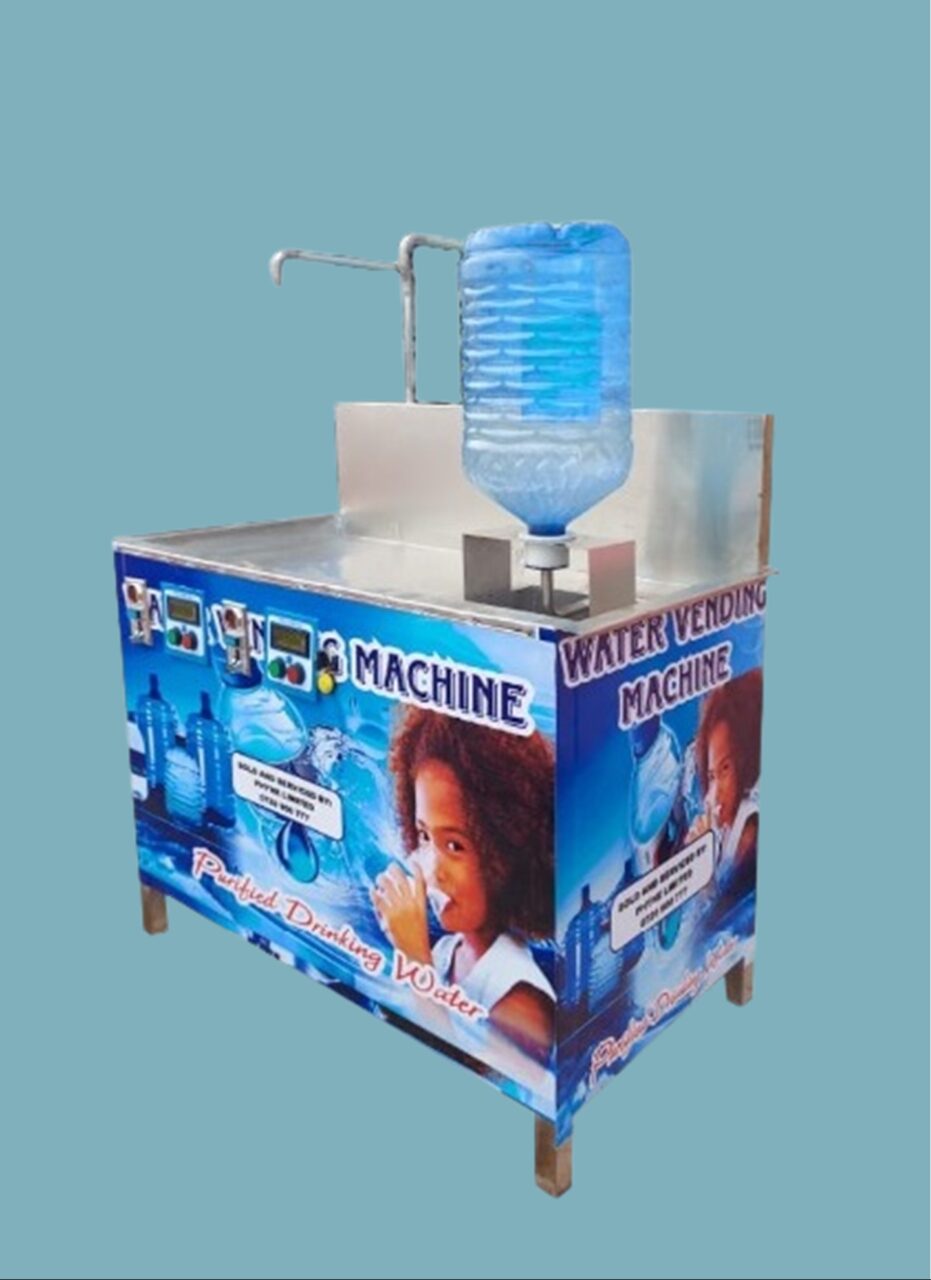
Factors Affecting Growth of Water Vending Businesses in Kenya

Factors Affecting Growth of Water Vending Businesses in Kenya Introduction The water vending sector in Kenya is a dynamic and essential part of the economy, providing access to clean water for a large portion of the population. However, factors affecting growth of water vending businesses in Kenya present significant challenges for small and medium-sized enterprises (SMEs) operating in this space. These range from financial constraints and marketing deficiencies to regulatory hurdles and technological limitations. This article will explore these factors and offer potential solutions to help these vital businesses thrive. While the sector holds considerable promise, with a high annual growth potential of 12%, SMEs often struggle to compete with larger, more established players who control a significant portion of the market. Understanding the challenges that affect the growth of water vending businesses is crucial for anyone looking to enter or expand within this industry. This article will delve into these challenges and offer potential solutions to foster a more robust and inclusive water vending sector. Significance of the water vending sector in Kenya The water vending sector in Kenya plays a crucial role in socio-economic development. Its significance can be highlighted by the following points: Contribution to Socio-Economic Development: The sector provides access to clean and affordable drinking water, a basic human necessity, especially in areas with limited access to piped water. This directly impacts public health and well-being. High Annual Growth Potential (12%): The sector exhibits strong growth potential, indicating a significant market demand and opportunities for businesses to expand. Market Dynamics: The bottled water market in Kenya is characterized by a few large firms dominating the majority (60%) of total market sales. This leaves SMEs, which constitute 98% of the players, with only 40% of the market share, highlighting the competitive landscape and the challenges they face. Job Creation and Livelihoods: The water vending sector creates numerous employment opportunities, from production and distribution to sales and marketing, contributing to livelihoods and economic empowerment. Addressing Water Scarcity: In a country facing water scarcity challenges, the water vending sector provides a viable solution for accessing safe drinking water. Factors affecting growth of water vending businesses in Kenya: Key challenges identified: Factors affecting growth of water vending businesses in Kenya are a complex interplay of economic, regulatory, and operational challenges. Several key challenges contribute to these factors. These include: Startup Capitalization: Access to Credit: SMEs often encounter difficulties accessing medium or long-term credit from formal financial institutions due to stringent collateral requirements, high-interest rates, and complex application processes. This lack of access to finance is a major factor affecting growth of water vending businesses in Kenya. Reliance on Informal Funding: Many SMEs rely on personal savings, loans from family and friends, or informal lenders, which can limit the amount of capital available and hinder growth potential. Limited funding from microfinance institutions, while helpful, is often insufficient for significant expansion. This reliance on informal funding is one of the key factors affecting growth of water vending businesses in Kenya. Technology: Limited Technology Adoption: Limited adoption of modern technology due to high costs and a lack of technical knowledge and training hinders efficiency and productivity. This technological gap is another important factor affecting growth of water vending sector in Kenya. Use of Semi-Automated or Manual Systems: Many SMEs rely on semi-automated or manual systems, which can be less efficient and more costly in the long run compared to fully automated systems. This reliance on less efficient technology is another issue that challenges the rapid growth of water vending businesses in Kenya. Lack of Qualified Personnel: A lack of qualified personnel with the technical skills to operate and maintain advanced technology further restricts its adoption. This skills gap is another of the factors affecting growth of water vending businesses in Kenya. Marketing Skills: Outdated Marketing Strategies: SMEs often rely on outdated or insufficient marketing strategies, such as word-of-mouth and local advertising, which may not be effective in reaching a wider customer base. This is a significant factor affecting growth of water vending businesses in Kenya. Lack of Market Research and Information: Inadequate market research and limited access to market information hinder SMEs’ ability to understand consumer needs, identify market trends, and adapt their strategies accordingly. This lack of market intelligence is also a key challenge that affects the growth of water vending businesses in Kenya. Inadequate Product Promotion and Pricing: Ineffective pricing strategies and minimal investment in product promotion limit market penetration and competitiveness. This inadequate marketing approach is another of the factors affecting growth of water vending businesses in Kenya. Legal and Regulatory Requirements: Cumbersome Licensing Processes: Obtaining the necessary business licenses and permits can be a complex, time-consuming, and bureaucratic process, creating delays and increasing startup costs. This regulatory burden is a key factor affecting growth of water vending businesses in Kenya. Outdated Policies and Corruption: Outdated policies and corruption can divert support programs intended for SMEs, reducing their effectiveness and creating an uneven playing field. This corruption and bureaucratic inefficiency are major factors affecting growth of water vending businesses in Kenya. Complex Regulations: Complex and often unclear regulations can hinder SME expansion and operations, making it difficult for them to navigate the legal landscape. These regulatory complexities are significant factors affecting growth of water vending businesses in Kenya. Recommendations to help address factors affecting growth of water vending businesses in Kenya To address the challenges affecting growth of water vending businesses in Kenya, the following recommendations are crucial: Financial Accessibility: Develop Alternative Financing Methods: Explore alternative financing models, such as crowdfunding, angel investors, and impact investing, to provide SMEs with access to capital beyond traditional bank loans. Reduce Reliance on Collateral: Implement loan guarantee schemes or other mechanisms to reduce the reliance on collateral, making it easier for SMEs to secure funding. Promote microfinance institutions specializing in water businesses: These institutions can provide tailored financial products and services to water vending SMEs. Marketing and Training: Enhance Marketing Skills Through Training: Provide training programs for SME owners and employees on … Read more