
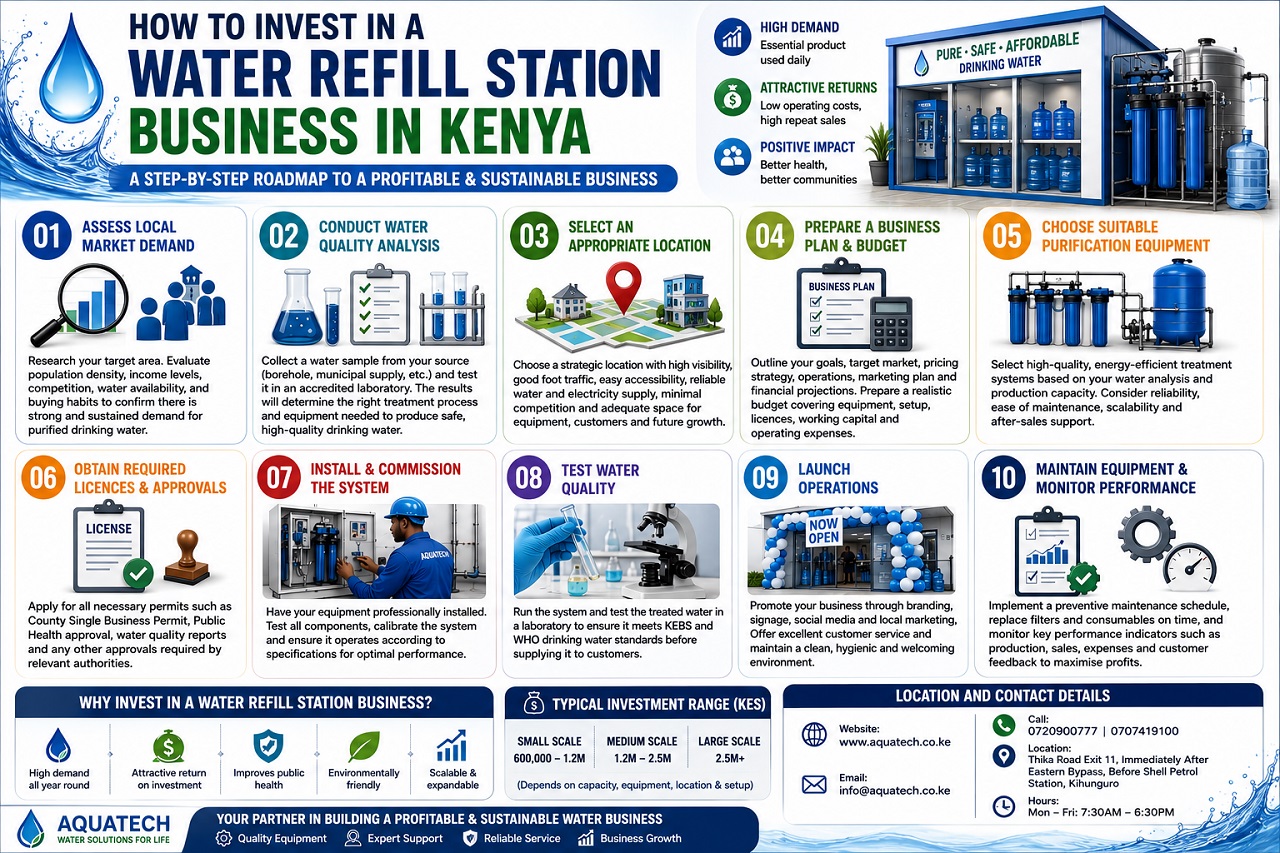
Step by Step Guide on How to Start a Water Refill Station Business in Kenya
Are you planning to start a water refill station business in Kenya and wondering how to go about it? This post will guide you step by step on how to start a profitable water vending business in Kenya for both retail and corporate markets. As the leading experts in manufacturing high quality water refill station machines in Kenya, we also know what it takes to operate a successful water refill station business.
How to Invest in a Water Refill Station Business in Kenya- Step by Step Guide
Step 1. Assess Local Market Demand
 Before investing in a water refill station business, conduct a thorough assessment of the local market to determine whether there is sufficient demand for purified drinking water. Evaluate factors such as population density, household income levels, availability of competing water vendors, reliability of municipal water supply, and consumer purchasing habits.
High-density residential estates, rapidly growing peri-urban areas, educational institutions and commercial centres often present stronger demand because they serve large numbers of people who require safe drinking water daily. Visit potential locations at different times of the day to observe pedestrian traffic, customer behaviour and accessibility.
Speaking with residents, shop owners and property managers can also provide valuable insights into existing demand and any unmet needs. A well-researched location significantly improves the likelihood of achieving sustainable sales and a favourable return on investment.
Also: Is a Water Vending Station Business Profitable in Kenya?
Step 2. Conduct Water Quality Analysis
The quality of the source water determines the type of treatment system required and ultimately influences both capital investment and operating costs. Before purchasing any equipment, collect a representative water sample and have it analysed by an accredited laboratory to identify physical, chemical and microbiological characteristics.
Laboratory testing can reveal issues such as high salinity, excessive hardness, iron, manganese, nitrates, fluoride, turbidity or bacterial contamination that may not be visible to the naked eye. The test results enable water treatment specialists to recommend the most appropriate purification process rather than relying on generic equipment configurations.
Investing in equipment without first analysing the water may result in underperforming systems, unnecessary expenditure or failure to achieve the required drinking water quality standards. Water analysis should also be repeated periodically to verify that the treatment process continues to produce safe, high-quality drinking water.
Step 3. Select an Appropriate Location
 Choosing the right location is one of the most important decisions in determining the long-term success of a water refill station business. The ideal site should have a large catchment population, good visibility, convenient access for pedestrians and motorists, reliable water and electricity supply, and adequate space for equipment installation and customer movement.
Residential estates, shopping centres, universities, hospitals and mixed-use developments often provide consistent demand because customers can conveniently refill their containers during their daily routines. It is equally important to evaluate nearby competition, rental costs and opportunities for future expansion before signing a lease agreement.
While lower rent may appear attractive, a strategically located premises with higher customer traffic usually delivers stronger long-term profitability. Selecting the right location from the outset reduces business risk and improves the likelihood of achieving a faster return on investment.
Step 4. Prepare a Business Plan and Budget
A comprehensive business plan provides a structured roadmap for establishing and growing a successful water refill station business. It should clearly define your business objectives, target market, pricing strategy, operational model, estimated capital requirements, projected cash flow and expected return on investment.
Your financial plan should include equipment costs, shop fitting, licensing, installation, utilities, staff salaries, maintenance, marketing and adequate working capital for the first few months of operation. Preparing realistic financial projections using conservative sales estimates allows you to evaluate whether the investment remains viable under different market conditions.
A detailed business plan is also essential when seeking financing from banks, investors or development finance institutions because it demonstrates that the project has been carefully evaluated. Regularly reviewing and updating the business plan ensures that it remains aligned with changing market conditions and business objectives.
Also: How to Start a Fully Equipped Water Vending Machine Business in Kenya with a Budget of Ksh 350,000
Step 5. Choose Suitable Water Purification Equipment
 Selecting the correct water purification equipment is critical to producing consistently safe drinking water while maintaining efficient operating costs. Equipment should always be specified based on laboratory water analysis, anticipated production capacity and future business growth rather than price alone.
A typical commercial treatment system may include sediment filtration, multimedia filtration, activated carbon filtration, water softening where necessary, reverse osmosis membranes, ultraviolet sterilisation and ozone disinfection, depending on the characteristics of the source water. Investors should also evaluate equipment durability, energy efficiency, ease of maintenance, availability of spare parts and the supplier’s technical support capabilities.
Purchasing high-quality equipment from an experienced supplier often results in lower lifecycle costs because reliable systems experience fewer breakdowns and maintain consistent water quality. Choosing scalable equipment also allows the business to expand production as customer demand increases without requiring complete system replacement.
Step 6. Obtain Required Licences and Regulatory Approvals
Operating a water refill station legally requires compliance with applicable national and county regulations designed to protect public health and ensure water safety. Depending on your location and business model, approvals may include a County Single Business Permit, Public Health certification, water quality laboratory reports, food hygiene compliance and any additional permits required by the relevant regulatory authorities.
Businesses should also ensure that treated water consistently meets the applicable drinking water quality standards through routine testing and proper record keeping. Working with experienced equipment suppliers can simplify the licensing process because they are often familiar with the documentation and technical requirements expected during inspections. Regulatory compliance should be viewed as an ongoing commitment rather than a one-time exercise, with regular monitoring helping to maintain consumer confidence and protect the business’s reputation.
Step 7. Install and Commission the Water Treatment System
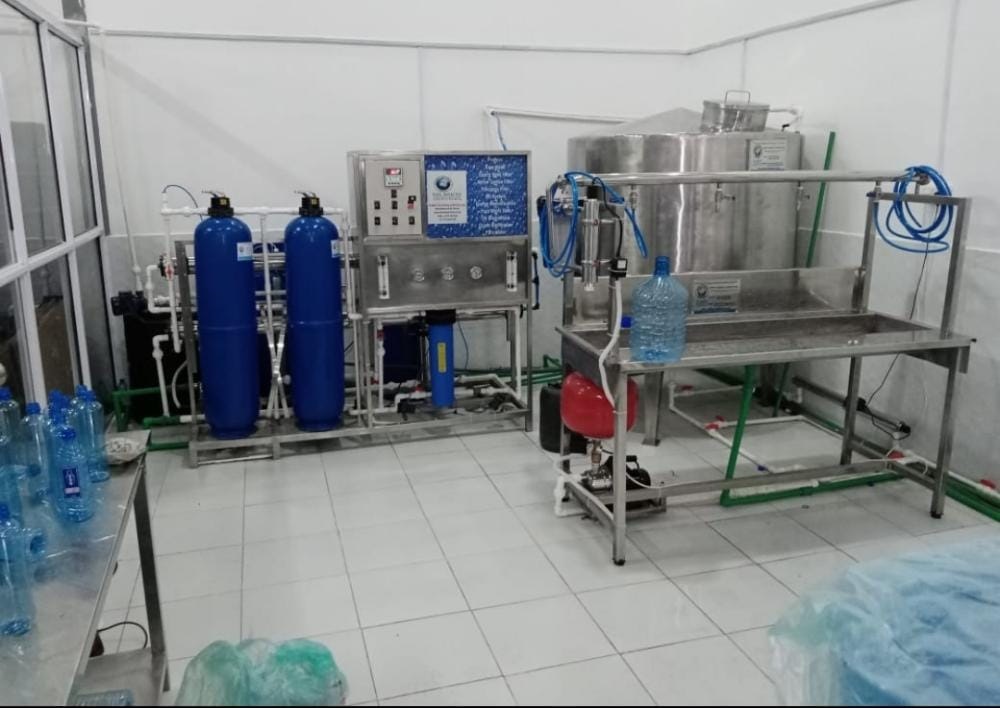
Professional installation and commissioning ensure that every component of the water treatment system operates safely, efficiently and according to the manufacturer’s specifications. Installation should include correct positioning of treatment equipment, secure plumbing connections, electrical integration, storage tanks, dispensing units and appropriate drainage arrangements.
During commissioning, technicians verify operating pressures, flow rates, water recovery, treatment performance and the functionality of monitoring devices before the system begins commercial operation. Any necessary adjustments are made to optimise system performance based on actual site conditions and water quality results.
Proper installation reduces the likelihood of premature equipment failure, excessive energy consumption and inconsistent water quality. Investors should also request comprehensive operator training to ensure staff understand routine operation, safety procedures and basic preventive maintenance requirements.
Step 8. Test Water Quality Before Commercial Operation
Before supplying water to customers, the treated water should undergo comprehensive laboratory testing to confirm that the purification system is performing as designed. Testing should verify microbiological safety as well as important physical and chemical parameters relevant to drinking water quality. Documented laboratory results provide confidence that the water meets applicable regulatory requirements and demonstrate the business’s commitment to consumer safety.
Keeping accurate records of laboratory reports also supports regulatory inspections and quality assurance programmes. Routine testing should continue throughout the life of the business because changes in source water quality, equipment condition or operating practices may affect treatment performance. Consistent water quality is one of the strongest factors influencing customer trust, repeat business and long-term commercial success.
Step 9. Launch Operations and Build Customer Confidence
A successful launch involves more than opening the doors to customers. Ensure the premises are clean, professionally branded and easy to access, while staff are trained to provide friendly, efficient service and maintain high hygiene standards. Promote the business through local advertising, digital marketing, community engagement and introductory offers that encourage first-time customers to experience the quality of your purified water.
Clear pricing, visible operating hours and educational information about your treatment process can further strengthen customer confidence. Encouraging customer feedback during the early stages of operation allows you to identify areas for improvement and refine your service offering. Establishing a reputation for quality, consistency and professionalism from the beginning creates a strong foundation for long-term business growth.
Also: Tips For Setting Up a Profitable Water Vending Business in Kenya
Step 10. Maintain Equipment and Monitor Business Performance
 Long-term profitability depends on maintaining both the water treatment equipment and the overall performance of the business. Implement a preventive maintenance programme that includes routine inspections, scheduled replacement of consumable components, equipment servicing and periodic calibration of monitoring instruments where applicable.
At the same time, monitor key business indicators such as daily water production, sales volume, customer retention, operating expenses, equipment downtime and net profit. Analysing these performance metrics enables you to identify operational inefficiencies, forecast maintenance requirements and make informed decisions about future expansion.
Continuous improvement through preventive maintenance and performance monitoring helps protect water quality, extend equipment lifespan and maximise return on investment. Successful operators treat maintenance and business analysis as essential management activities rather than occasional tasks.
How to Invest in a Water Refill Station Business in Kenya- FAQs
- What is a water refill station?
A water refill station is a business that purifies water using specialised treatment equipment before selling it to customers in reusable containers. The water is treated to remove impurities and meet drinking water quality standards. Customers refill their bottles or containers instead of buying packaged bottled water. - How much does it cost to start a water refill station business in Kenya?
The cost of starting a water refill station business in Kenya typically ranges from KES 600,000 to over KES 2.5 million, depending on the equipment, production capacity, location and shop setup. Additional costs include licensing, installation, water storage and working capital. A customised quotation provides the most accurate estimate. - Is a water refill station business profitable?
Yes, a water refill station business can be profitable because it supplies an essential product with consistent daily demand. Profitability depends on factors such as location, customer volume, operating costs, water quality and equipment reliability. Well-managed businesses often achieve attractive long-term returns. - What licences are required for a water refill station in Kenya?
Depending on your location and business model, you may require a County Single Business Permit, Public Health approval, water quality laboratory reports and other regulatory approvals. Requirements can vary between counties. Always confirm the latest licensing requirements with the relevant authorities before starting operations. - What equipment is required to start a water refill station?
A typical water refill station requires water treatment equipment, storage tanks, dispensing units or a Water ATM, pumps and plumbing components. The treatment system may include sediment filters, activated carbon filters, reverse osmosis membranes and UV sterilisation, depending on the source water quality. Equipment should be selected after conducting a laboratory water analysis. - What is the difference between a Water ATM and a water refill station?
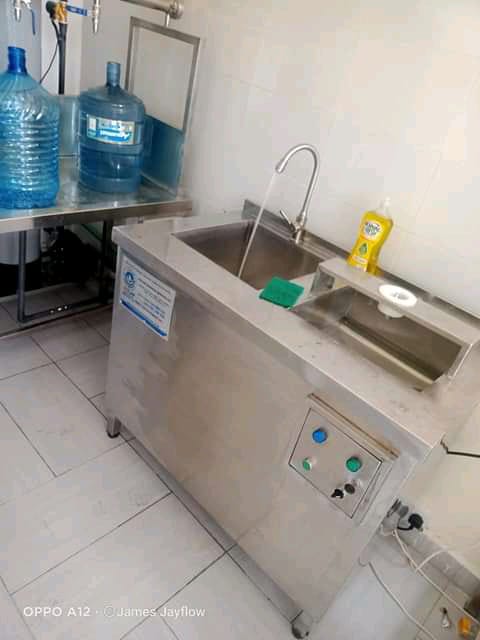
A Water ATM and a water refill station both dispense purified drinking water, but they differ mainly in design and customer experience. Water ATMs are typically cabinet-style, self-service units with features such as bottle rinsers and multiple dispensing taps. Both business models generate revenue by selling purified water. - How can I maximise return on investment from a water refill station?
Maximise your return on investment by selecting a high-demand location, maintaining excellent water quality and investing in reliable equipment with dependable after-sales support. Effective marketing, regular maintenance and excellent customer service also improve profitability. Expanding into additional locations as demand grows can further increase returns. - How often should water treatment equipment be serviced?
Water treatment equipment should be inspected and serviced according to the manufacturer’s maintenance schedule and the quality of the source water. Filters, membranes and UV lamps require periodic replacement to maintain consistent water quality. Regular preventive maintenance helps reduce breakdowns and extends equipment life.
How to Start a Water Refill Station in Kenya — Summary
For entrepreneurs in Kenya seeking a reliable, high-demand small business, a water refill station provides a scalable path to steady revenue when planned and managed correctly. Start by assessing local demand in high-density residential estates, peri-urban growth areas, institutions and commercial hubs. Always commission a laboratory water analysis first so you can specify the right treatment chain—sediment, activated carbon, softening (if needed), reverse osmosis, UV or ozone—rather than buying equipment by price alone.
Choose a visible, accessible location with reliable utilities and factor rent versus footfall into your site decision. Write a realistic business plan and budget that covers equipment, installation, licensing, shopfitting, staffing, utilities and working capital; this document is essential for financing. Work with reputable suppliers for professionally installed, scalable systems and thorough operator training. Obtain county and national permits, keep up-to-date laboratory testing and records, and only open once treated water meets the required standards.
Launch with clear branding, local and digital marketing, and introductory offers to build trust. Protect margins through preventive maintenance, spare-part planning and regular monitoring of production, sales, customer retention and downtime. With consistent water quality, regulatory compliance and good customer service, a water refill station in Kenya can deliver sustainable profits and expansion opportunities.
Buy Water Station Machines From Us
Now that you have learned How to Start a Water Refill Station in Kenya, you will need the right machines. This is something you do not want to gamble with. Purchase the best quality water vending machines from us. We are Kenya’s leading manufacturers of water vending machines, reverse osmosis water purifiers, water ATMs, bottle rinsers, stainless steel storage tanks, stainless steel transport tanks and all other machines and equipment you will need for operating a successful water station business in Kenya.
Get in touch with us today to place your order.
Our Location and Contact Details
- Call: 0720900777 | 0707419100
- Email: info@aquatech.co.ke
- Location: Thika Road Exit 11, Immediately After Eastern Bypass, Before Shell Petrol Station, Kihunguro
- Hours: Mon – Fri: 7:30AM – 6:30PM