
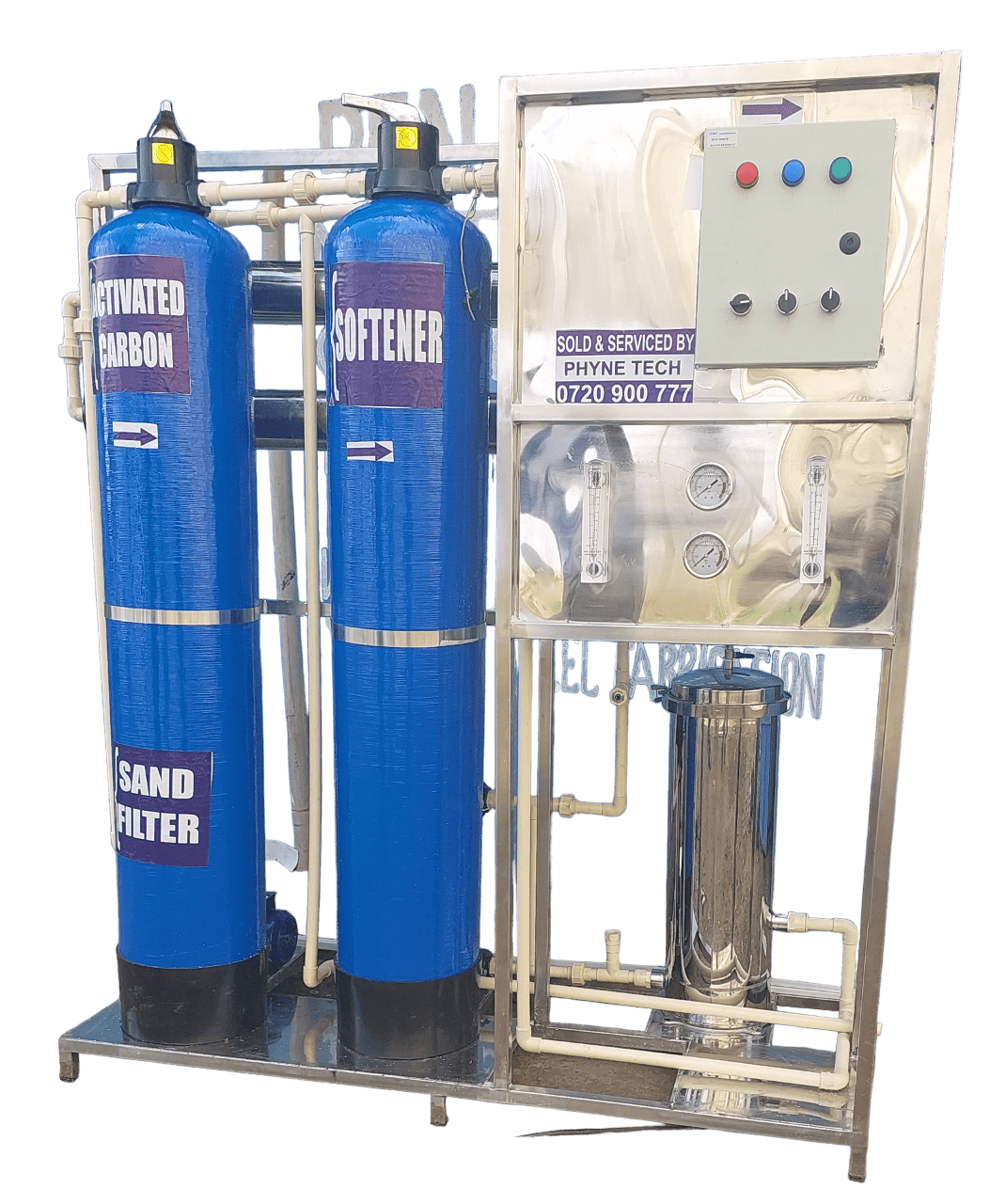
How to Choose the Best High-Quality Reverse Osmosis Water Purifiers for Your Needs
Reverse osmosis (RO) is a water purification technology that uses a semipermeable membrane to remove contaminants from water. RO water purifiers can provide you with clean and pure water that is safe for drinking, cooking, and other uses. However, not all RO water purifiers are the same. You need to choose the best high-quality RO water purifiers that suit your needs and preferences. In this post, we will guide you on how to choose the best high-quality reverse osmosis water purifiers for your needs.
How do reverse osmosis water purifiers work?
Here is a breakdown of how reverse osmosis water purifiers work:
Reverse osmosis (RO) water purification is a process that uses pressure to push water through a semipermeable membrane. This membrane has tiny pores that allow water molecules to pass through but block larger contaminants, such as dissolved salts, minerals, bacteria, and viruses.
 Here’s a closer look at the steps involved:
- Pre-filtration:
Prefiltration stage of reverse osmosis water purifier
- The water first enters a pre-filter stage, which removes large particles like sediment, chlorine, and organic matter. This protects the RO membrane from clogging and ensures optimal performance.
- High-pressure pump:
High-pressure pump stage of reverse osmosis water purifier
- The pre-filtered water is then pumped through a high-pressure pump. This creates the pressure needed to force the water through the semipermeable membrane.
- Reverse osmosis membrane:
Reverse osmosis membrane stage of reverse osmosis water purifier
- The pressurized water then flows across the semipermeable membrane. The tiny pores in the membrane allow water molecules to pass through, but most contaminants are left behind.
- Concentrate stream:
Concentrate stream stage of reverse osmosis water purifier
- The water that passes through the membrane is called the permeate, and it is clean and purified. The water that doesn’t pass through the membrane, containing the concentrated contaminants, is called the concentrate stream and is typically discarded.
- Post-filtration:
Post-filtration stage of reverse osmosis water purifier
- The permeate may flow through one or more post-filters to remove any remaining taste or odor.
- Storage and dispensing:
Storage and dispensing stage of reverse osmosis water purifier
- The purified water is then stored in a tank and dispensed through a dedicated faucet.
Benefits of reverse osmosis water purifiers:

- Removes a wide range of contaminants: RO systems can remove up to 99% of dissolved solids, including salts, minerals, bacteria, and viruses.
- Improves taste and odor: RO water typically tastes and smells better than tap water, as it has been stripped of many impurities that can affect taste and odor.
- Provides safe drinking water: RO systems can provide safe drinking water even in areas with contaminated water supplies.
Things to note about RO systems:
- Wastewater: RO systems produce wastewater, which is the concentrate stream that contains the rejected contaminants. This wastewater needs to be disposed of properly.
- Maintenance: RO membranes need to be replaced periodically, typically every 2-3 years.
- Cost: RO systems can be more expensive than other types of water purifiers.
How to Choose the Best High-Quality Reverse Osmosis Water Purifiers for Your Needs
A RO system is a versatile machine that is very useful in different industries. Some of the major industries that use RO systems include but not limited to: water refilling station and water bottling firms, beverage production companies, hospitals for dialysis purposes, high end hotels that want to make the best tasting coffee, dairy milk production companies for cleaning their equipment, manufacturers of chemicals and acids, manufacturers of medicines etc.
So how do you choose the best high-quality RO water purifiers for your needs? Let us see key factors to consider when buying a reverse osmosis system below.
There are several factors that you need to consider when buying a RO water purifier. Some of the key aspects are:

- The use: You need to determine the purpose of the RO water purifier. Will it be for domestic use or commercial use? Domestic use means that you need a RO water purifier for your household needs, such as drinking, cooking, washing, etc. Commercial use means that you need a RO water purifier for your business needs, such as restaurants, hotels, offices, factories, etc. The use of the RO water purifier will affect the size, capacity, and features of the RO system.
- The capacity: You need to estimate the amount of water that you need to purify per day or per hour. The capacity of the RO system is measured in liters per hour (LPH) or gallons per day (GPD). The higher the capacity, the more water the RO system can produce in a given time. You need to choose a RO water purifier that has enough capacity to meet your water demand. For example, if you need 100 liters of purified water per day, you need a RO water purifier that has a capacity of at least 100 LPH or 26 GPD.
- The features: You need to check the features of the RO water purifier that you want to buy. Some of the common features of RO water purifiers are:
- Pre-filters: These are filters that remove large particles, such as sand, dust, rust, etc., from the water before it enters the RO membrane. Pre-filters protect the RO membrane from clogging and damage and extend its lifespan.
- Post-filters: These are filters that remove any remaining impurities, such as chlorine, odor, taste, etc., from the water after it passes through the RO membrane. Post-filters improve the quality and taste of the purified water.
- Storage tank: This is a tank that stores the purified water that is produced by the RO system. Storage tanks are useful when you need a constant supply of purified water or when the water pressure is low. Storage tanks come in different sizes and materials, such as plastic, stainless steel, etc. You need to choose a storage tank that is large enough to store the amount of water that you need and that is made of a durable and safe material.
- Faucet: This is a tap that dispenses the purified water from the storage tank. Faucets can be mounted on the sink, the wall, or the countertop. Faucets can have different designs and finishes, such as chrome, brass, etc. You need to choose a faucet that matches your kitchen or bathroom decor and that is easy to use and maintain.
- Indicator: This is a device that shows the status of the RO system, such as the water level, the filter life, the water quality, etc. Indicators can be digital or analog, and they can have different colors and sounds. Indicators help you monitor the performance and maintenance of the RO system and alert you when there is a problem or when you need to replace the filters or the membrane.
- The performance efficiency: You need to evaluate the performance efficiency of the RO water purifier that you want to buy. Performance efficiency refers to how well the RO system purifies the water and how much water it wastes. Performance efficiency is measured by two parameters: the filtration rate and the recovery rate.
- Filtration rate: This is the percentage of water that is purified by the RO system. The higher the filtration rate, the better the quality of the purified water. The filtration rate depends on the quality of the feed water, the pressure of the feed water, the condition of the RO membrane, and the settings of the RO system. The average filtration rate of RO water purifiers is around 90% to 95%.
- Recovery rate: This is the percentage of water that is recovered by the RO system. The higher the recovery rate, the less water the RO system wastes. The recovery rate depends on the quality of the feed water, the pressure of the feed water, the condition of the RO membrane, and the settings of the RO system. The average recovery rate of RO water purifiers is around 25% to 50%.
- The cost: You need to consider the cost of the RO water purifier that you want to buy. The cost of the RO water purifier includes the initial purchase price, the installation cost, the maintenance cost, and the operating cost. You need to compare the cost of different RO water purifiers and choose the one that fits your budget and offers the best value for money. You also need to consider the following factors when calculating the cost of the RO water purifier:
- The initial purchase price: This is the price that you pay to buy the RO water purifier. The initial purchase price depends on the brand, the model, the capacity, the features, and the quality of the RO water purifier. The initial purchase price of RO water purifiers can range from Ksh 30,000 for domestic water purifiers and from Ksh 130,000 and above for commercial water purifiers.
- The installation cost: This is the cost that you pay to install the RO water purifier in your home or business. The installation cost depends on the complexity of the installation, the location of the installation, the materials and tools required, and the labor charges. The installation cost of RO water purifiers can range from Ksh 1,000 to Ksh 10,000 or more.
- The maintenance cost: This is the cost that you pay to maintain the RO water purifier in good working condition. The maintenance cost includes the cost of replacing the filters and the membrane, cleaning the system, and repairing any damages. The maintenance cost depends on the frequency of use, the quality of the feed water, the quality of the RO system, and the warranty and service terms.
- The operating cost: This is the cost that you pay to operate the RO water purifier. The operating cost includes the cost of electricity, water, and any other consumables. The operating cost depends on the capacity, the features, the performance efficiency, and the usage of the RO water purifier.
How to choose the best high-quality reverse osmosis water purifiers for your needs- Conclusion
 The above guide on how to choose the best high-quality reverse osmosis water purifiers for your needs was written to help you make an informed decision when buying one. As manufacturers of high-quality commercial RO systems, we felt it’s necessary to share with our audience these key considerations. These are some of the key aspects that you need to look for when buying a high-quality reverse osmosis water purifier for your home or business. By considering these factors, you can choose the best RO water purifier that meets your needs and preferences and that provides you with clean and pure water.
Buy a high-quality reverse osmosis water purifier from us
Are you in need of a high-quality reverse osmosis water purifier? At Aquatech, you can be guaranteed that you will find the right machine for your needs. Whether you are a water station business, a water bottling company, a hospital, a hotel, a school, a beverage maker, a chemical manufacturer or whatever else you do that needs a high-quality and efficient RO system we have the right machine for you.
We can custom make a RO purifier that meets your exact needs. Our technicians have the expertise to produce versatile and efficient RO systems for any use.
Contact us today to place an order
To contact us, you can call/WhatsApp us on +254 720 900 777. You can also send us an email on info@aquatech.co.ke.
We look forward to serving you.