Blogs Archives - AquaTech

The Best Water Vending Stations in Kenya

The Best Water Vending Stations in Kenya

The Best Water Vending Stations in Kenya: The Smart Solution for Affordable Clean Water Access Introduction Access to affordable, reliable clean water remains a daily challenge for millions of Kenyans, especially in rapidly growing urban estates, informal settlements, and peri-urban towns. As population density increases and municipal water supply struggles to keep pace, communities and entrepreneurs are turning to the best water vending stations in Kenya as a practical, scalable solution. Water vending stations, also known as water ATMs or water refilling stations, provide round-the-clock access to dispensed water at controlled prices, reducing reliance on water vendors and expensive bottled alternatives. Beyond solving a social problem, they also present a compelling business opportunity with predictable daily demand and low operating costs. Across estates, schools, transport hubs, and shopping centres, Aquatech water vending stations are increasingly being deployed to bridge the gap between water availability and affordability. This article explores how water vending stations work, why they are transforming access to water in Kenya, the real costs involved, and how to get started with a system that delivers both impact and returns. The Clean Water Access Challenge in Kenya Kenya’s water access challenges are not new—but they are intensifying. Key realities on the ground: Rapid urbanization is stretching existing water infrastructure Many estates receive water only on specific days Informal water vendors often charge inconsistent and inflated prices Long queues at communal taps reduce productivity and quality of life For many households, the issue is not just water availability, but predictability, affordability, and proximity. Water vending stations address this gap by: Decentralizing water access Offering self-service dispensing close to residential areas Ensuring transparent pricing per litre Operating independently of human attendants This is why county governments, property developers, NGOs, and private investors are increasingly integrating water vending stations into community infrastructure plans. How the Best Water Vending Stations in Kenya Work At a practical level, a water vending station is a self-service dispensing unit designed to deliver measured quantities of water to users on demand. Step-by-Step Operation of a Water ATM User approaches the station Customers arrive with containers ranging from 5 to 20 litres. Payment is made Most modern stations support: Coin operation Mobile money (depending on configuration) Volume selection The user selects the desired number of litres. Automated dispensing The machine releases water accurately and shuts off automatically once the selected volume is reached. 24/7 availability No operator is required, allowing the station to run continuously. This automation eliminates wastage, improves accountability, and ensures consistent service delivery: key reasons water vending stations in Kenya continue to scale rapidly. Benefits of Water Vending Stations Water vending stations offer advantages that go beyond simple water access. Key Benefits for Communities and Investors Affordable water pricing Lower cost per litre compared to bottled or vendor-supplied water. Reliable access Available even during rationing or off-supply hours. Low operational costs Minimal staffing, low power consumption, and automated controls. Scalable business model One station can serve hundreds of households daily. Transparent revenue tracking Automated counters simplify monitoring and reporting. Improved public health outcomes Consistent access reduces dependence on unsafe water sources. For investors and institutions, this combination of social impact + predictable revenue makes water vending stations a uniquely resilient model in the Kenyan market. Cost of Water Vending Stations in Kenya (Market vs Aquatech Pricing) One of the most common questions is cost—and rightly so. General Kenyan Market Price Range for Water Stations In the Kenyan market, water vending stations typically range between: KES 350,000 – 550,000 for small-capacity systems KES 550,000 – 800,000 for medium-capacity systems KES 900,000 – 1.5M+ for large commercial setups Prices vary based on: Dispensing capacity Automation features Payment systems Build quality and durability Aquatech Water Vending Machines Prices Aquatech offers clearly defined, capacity-based pricing for investors who want predictable budgeting and dependable equipment. Aquatech water vending machines pricing: 300–500 litres per hour: From KES 420,000 1,000 litres per hour: From KES 650,000 2,000 litres per hour (high-demand locations): From KES 1,050,000 These prices include: Commercial-grade dispensing unit Automated controls Durable outdoor-ready construction Integration support for payment systems This transparency is one reason Aquatech systems are widely adopted in estates, towns, and institutional settings. Why Choose Aquatech Water Vending Stations Choosing the right supplier is just as important as choosing the right location. Built for Kenyan Conditions and Daily Demand Aquatech water vending stations are designed with real operating environments in mind: Dust-resistant enclosures Stable performance in high-traffic areas Components selected for long service intervals Operational Experience That Matters Aquatech solutions are informed by: Installations across residential estates and towns Usage patterns observed in high-demand areas Practical feedback from operators and property managers This field-driven approach ensures systems are not just technically sound—but commercially viable. How to Get Started with Setting up a Water Vending Station Project Starting a water vending station project is straightforward when approached methodically. Key Steps: Location assessment High foot traffic, dense residential areas, or gated estates perform best. Capacity selection Choose based on expected daily demand—not just initial footfall. Site preparation Secure space, drainage, and basic utilities. Professional installation Reliable setup ensures accuracy, durability, and safety. Aquatech provides Aquatech water ATM installation services in Kenya, guiding clients from planning through commissioning to ensure smooth rollout and long-term performance. Aquatech Water Vending Stations: Conclusion Aquatech Water vending stations in Kenya have evolved from a niche concept into a core component of modern water access and urban infrastructure. They deliver reliable, affordable water where it is needed most—while offering investors a stable, demand-driven business model. With clearly defined pricing, durable equipment, and real operational experience, Aquatech water vending stations provide a practical path for communities, developers, and entrepreneurs looking to combine impact with sustainability. Whether your goal is to serve an estate, town centre, school, or commercial hub, investing in the right water vending solution today positions you for long-term relevance and returns. Contact Aquatech Today to Install a Water Vending Station Ready to provide reliable water access while building a sustainable income stream? Aquatech … Read more

RO500L Water Purifier Price in Kenya Shillings

RO500L Water Purifier Price in Kenya

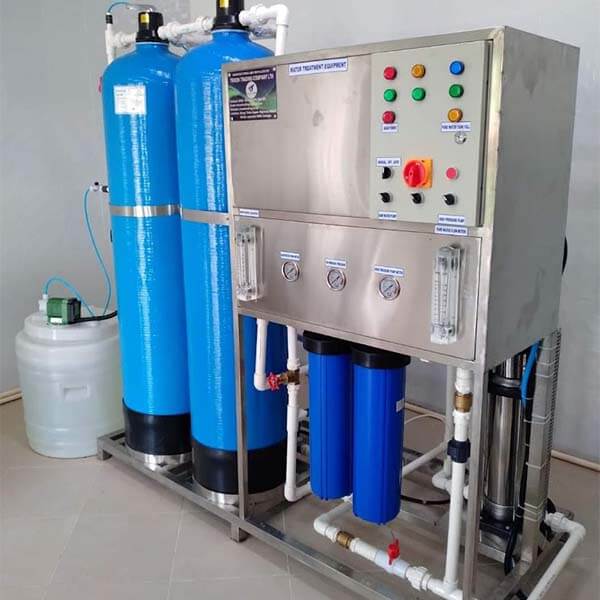
  RO500L Water Purifier Price in Kenya Shillings & ROI Breakdown Introduction For many Kenyan businesses, investing in a commercial water purification system is not just about clean water—it is about cost control, compliance, and long-term profitability. Whether you operate a water station, hotel, hospital, food processing plant, or manufacturing facility, water quality directly affects your operations and reputation. One of the most common questions business owners ask is: What is the cost of a commercial RO machine in Kenya, and is it worth the investment? In this post we shall discuss the Aquatech RO500L Water Purifier price in Kenya Shillings and it’s ROI. The RO500L Water Purifier is a high-capacity system designed for continuous commercial use. While its upfront cost may appear significant, the long-term financial and operational benefits often outweigh the initial investment. This guide breaks down the Aquatech RO500L commercial RO machine cost in Kenya shillings, explains what influences pricing, outlines operating expenses, and analyses the return on investment (ROI) for different types of Kenyan businesses. What Determines the Cost of a Commercial RO Machine in Kenya? The price of a commercial reverse osmosis system is influenced by several technical and operational factors. Understanding these elements helps buyers make informed comparisons. System Capacity and Output Higher capacity systems cost more because they: Produce more purified water per hour Use industrial-grade pumps and membranes Are designed for continuous operation The RO500L water purifier sits in the high-capacity category, making it suitable for demanding commercial environments. Quality of Components Not all RO systems are built the same. Pricing is affected by: RO membrane quality and lifespan Pump efficiency and durability Filtration stages and automation controls Cheaper systems may reduce upfront costs but often increase maintenance and downtime expenses. Water Source and Pretreatment Requirements In Kenya, borehole water often requires additional pretreatment to manage high salinity, hardness, or iron content. Systems configured for tougher water conditions may have slightly higher initial costs but perform better long term. Installation and After-Sales Support A complete solution includes: Site assessment Professional installation Commissioning and testing Operator training When evaluating the Aquatech commercial RO machine cost in Kenya shillings, it is important to consider these services as part of the total value. RO500L Water Purifier Price in Kenya Shillings The price of the RO500L Water Purifier in Kenya is KSh330,000. Where can you buy the RO500L Water Purifier in Kenya There are 2 main companies you can buy the machine from: Aquatech or Phynetech. RO500L Features That Influence Its Price The RO500L RO system is priced as a premium commercial solution because of the features designed to support reliability and scalability. High-Capacity Output Design The system is engineered to deliver consistent output suitable for water stations and commercial facilities with high daily demand. Industrial-Grade RO Membranes Durable membranes ensure: High salt rejection rates Longer service life Stable water quality even with variable raw water Robust Pumping and Control Systems Advanced pressure and flow controls protect components and improve efficiency, reducing long-term operating costs. Cost vs Performance Analysis of the RO500L Water Purifier When comparing cost versus performance, the RO500L water purifier consistently ranks among the best RO machines for businesses in Kenya. While smaller systems may appear cheaper initially, they often: Fail to meet demand Require frequent repairs Consume more energy per litre The RO500L water purification machine’s performance efficiency lowers cost per litre, making it more economical over time. Operating Costs and Maintenance Expenses Understanding ongoing costs is critical when calculating ROI. Electricity Consumption Commercial RO systems consume electricity to power pumps. However, efficient pump design in the RO500L water purification system helps keep power costs predictable and manageable. Filter and Membrane Replacement Typical consumables include: Sediment and carbon filters RO membranes (replaced every 12–24 months depending on water quality) Proper pretreatment significantly extends membrane life, reducing replacement frequency. Routine Servicing Scheduled servicing prevents breakdowns and maintains system efficiency. Compared to emergency repairs, planned maintenance is far more cost-effective. ROI Analysis of the RO500L Water Purifier for Kenyan Businesses The true value of the RO500L Water Purifier lies in its return on investment. Water Stations and Water Vending Businesses For water stations, ROI is often achieved within a short period because: Cost per litre drops significantly Daily production volume is high Demand for clean drinking water is consistent Many operators recover their investment within months, depending on sales volume. Hotels and Hospitality Facilities Hotels save money by: Eliminating bottled water purchases Improving guest satisfaction Reducing water-related complaints Manufacturing and Food Processing Consistent water quality reduces: Equipment scaling Product rejection Downtime caused by poor water quality Across these sectors, commercial water purification systems in Kenya like the RO500L RO system offer measurable financial and operational returns. Why Buying the Aquatech RO500L Water Purifier Lowers Long-Term Costs The supplier you choose affects lifetime system cost. Local Technical Expertise Aquatech configures systems specifically for Kenyan water conditions, preventing over- or under-sizing. Genuine Spare Parts and Support Access to original spare parts ensures: Shorter downtime Better system performance Lower long-term maintenance costs Kenya-Wide Service Coverage Nationwide support reduces travel and service delays, especially for businesses outside major cities. This makes the Aquatech RO500L reverse osmosis machine a safer long-term investment compared to imported systems without local backing. How to Budget for an RO500L Commercial Reverse Osmosis System When planning your purchase, consider: Initial system cost Installation and commissioning Monthly operating expenses Annual maintenance and consumables Viewing the RO500L RO system as a business asset rather than an expense helps align expectations with long-term benefits. RO500L Water Purifier – Conclusion Understanding the RO500L Commercial Reverse Osmosis Machine cost in Kenya requires looking beyond the purchase price. Capacity, build quality, operating efficiency, and supplier support all play a role in determining true value. For businesses that depend on reliable, high-quality water, the RO500L water purification system delivers strong ROI through reduced operating costs, improved water quality, and long-term reliability. Backed by Aquatech’s local expertise and after-sales support, the RO500L water purifier is a smart investment for water stations, hospitality businesses, … Read more

The Best Water Refill Station in Kenya

The Best Water Refill Station in Kenya

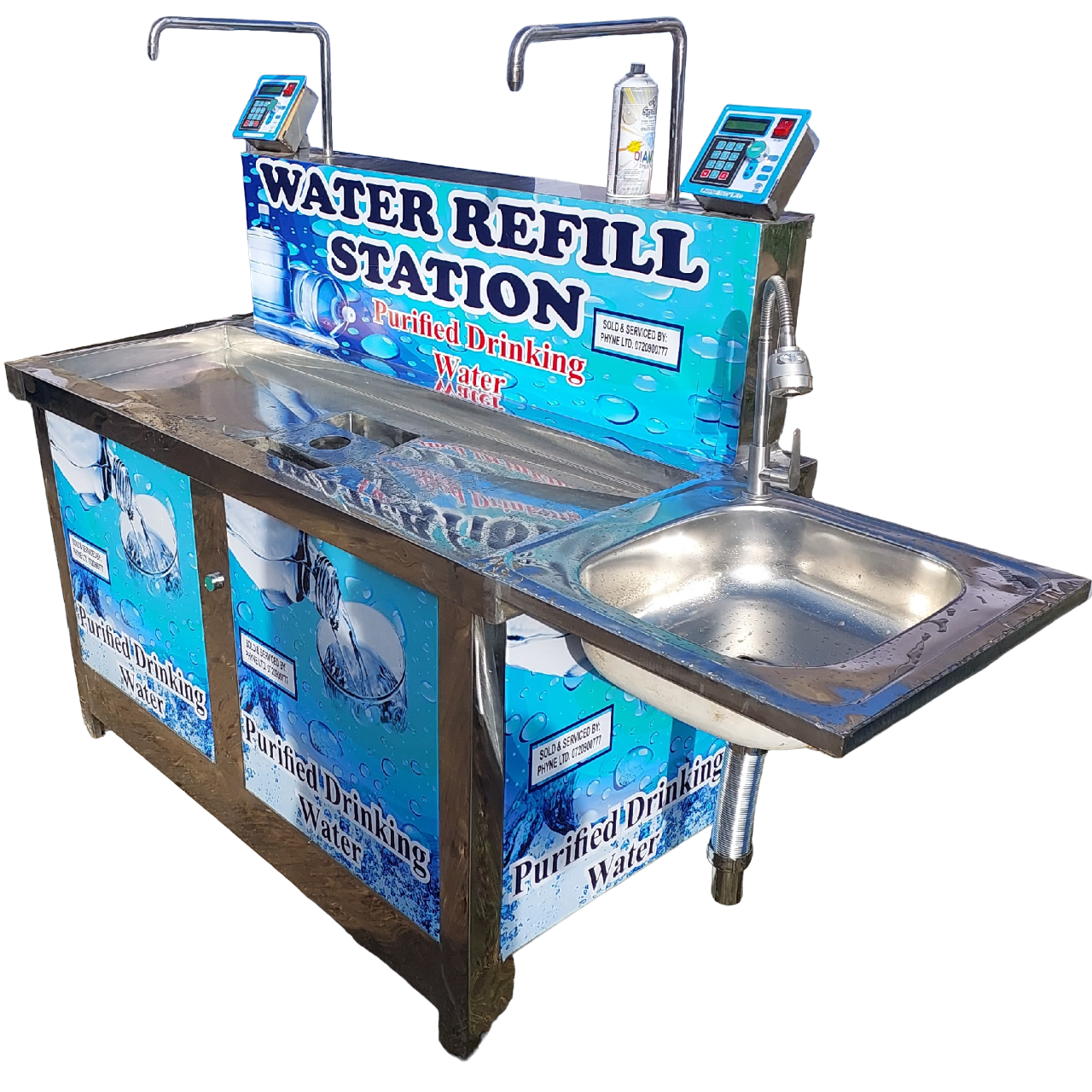
The Best Water Refill Station in Kenya: How to Choose the Right Machine for Your Location Introduction Choosing the best water refill station in Kenya is not about buying the biggest or cheapest machine, it is about selecting the right system for your specific location, demand pattern, and long-term objectives. Many water vending businesses struggle not because demand is low, but because the equipment selected does not match real-world usage. Across estates, institutions, and commercial centres, water refill stations operate reliably every day, often under high demand and optimal capacity. A poor decision at the buying stage can lead to frequent breakdowns, lost revenue, and frustrated users. This guide is written for serious buyers, investors, institutions, and entrepreneurs who want to make a well-informed decision. We break down the key factors that matter when selecting a water refill station in Kenya, explain capacity planning in practical terms, and show how experienced suppliers structure systems for long-term success. Understanding Different Types of Water Refill Stations Before selecting a machine, it is important to understand that not all water refill stations are designed for the same use case. Common Deployment Scenarios in Kenya Residential estates: Daily household demand with predictable peak hours. Towns and market centres: High foot traffic and fluctuating volumes. Schools and institutions: Controlled usage with consistent daily patterns. Commercial hubs: Extended operating hours and higher wear. Each scenario requires a different balance of capacity, durability, and automation. This is why buyers increasingly consult us when they want to invest in Aquatech water refilling station machines. We ensure they are configured specifically for the operating environment, rather than generic one-size-fits-all units. Key Factors to Consider When Choosing the Best Water Refill Station in Kenya Capacity: Match the Machine to Real Demand Capacity is the single most important technical decision. General Guidelines: 300–500 litres/hour: Suitable for small estates or low-traffic locations 1,000 litres/hour: Ideal for medium-sized estates, schools, or town centres 2,000 litres/hour and above: Best for high-density estates and busy commercial areas Undersized machines limit revenue during peak hours, while oversized machines increase upfront costs unnecessarily. Experienced suppliers base recommendations on expected daily usage, not assumptions. Location and Foot Traffic A good machine in a poor location will underperform. When evaluating a site, consider: Number of households or users within walking distance. Existing water access alternatives (do you have reliable access to raw water for purifying or purified water if you opt to buy purified water instead of purifying it yourself). Peak usage times (morning, evening, weekends). Security and visibility. Successful projects often involve site assessment before final equipment selection. This approach reduces costly mistakes and improves long-term performance. Build Quality and Durability Water refill stations operate daily, often outdoors, and must withstand: Continuous use Dust and weather exposure High-volume dispensing cycles Machines built for light-duty use and built with cheaper components may appear cheaper initially but often incur higher maintenance costs. This is why many operators prioritise Aquatech water vending machines, which are designed for continuous efficient operation in Kenyan conditions. Automation and Ease of Use Modern water refill stations should: Dispense accurately per litre Shut off automatically Require minimal user instruction Operate at optimal capacity Ease of use directly affects adoption. Stations that are confusing or unreliable quickly lose users to alternatives. Cost of Water Refill Stations in Kenya: What Buyers Should Expect Market Price Overview Across Kenya, water refill stations typically cost: KES 350,000 – 550,000 for small-capacity units KES 550,000 – 800,000 for medium-capacity stations KES 900,000 – 1.5M+ for high-demand installations Prices vary depending on capacity, construction quality, and automation features. Aquatech Water Stations Pricing by Capacity Aquatech provides clear, capacity-based pricing to help buyers plan accurately: 300–500 litres/hour: From KES 420,000 1,000 litres/hour: From KES 650,000 2,000 litres/hour and above: From KES 1,050,000 These Aquatech water refilling station machines are selected by buyers who value durability, predictable performance, and long-term support over short-term savings. Installation and Long-Term Support Matter More Than Many Buyers Realize Even the best machine can underperform if installation is poorly handled. Proper Installation Ensures: Accurate dispensing Stable operation Reduced breakdowns Longer equipment lifespan Professional installation also ensures the station is positioned correctly, securely mounted, and configured for actual usage patterns. This is why experienced buyers work with suppliers who provide end-to-end support rather than equipment only. Why Investors Buyers Choose to buy Aquatech Water Refill Station Machines Ready to start a profitable water vending station business? We are your trusted partner if you are looking to offer high-quality, durable water vending solutions in Kenya. We supply and install Aquatech water refill stations that are suitable for estates, towns, schools, commercial centres, and community projects. Our water vending machines are built to offer continuous operation, accurate dispensing, and long-term performance, backed by reliable technical support. Beyond technical specifications, long-term success depends on the supplier’s understanding of real operating conditions. See below why investors in water vending businesses trust our machines: Machines designed for continuous daily use Clear pricing without hidden costs Practical guidance on capacity and site selection Support informed by field experience Aquatech water vending machines are commonly used in estates, shopping centers, and institutions where reliability directly impacts revenue and user trust. Whether you are starting a new water refill station shop or expanding an existing one, our team will guide you on the right capacity, location setup, and installation requirements to ensure maximum returns. The Best Water Refill Station in Kenya- Conclusion Choosing the best water refill station in Kenya requires more than comparing prices. It requires understanding demand, selecting the right capacity, prioritising durability, and working with a supplier who understands how these systems perform in real-world conditions. When properly selected and professionally installed, a water refill station becomes a dependable asset—serving communities daily while generating consistent returns. Aquatech water refilling station machines continue to support buyers who value long-term performance, operational stability, and informed decision-making. Invest in a reliable water vending ATM machine today from Aquatech. We are the leading suppliers and installers of some of … Read more

Is a Water Vending Station Business Profitable in Kenya?

Is a Water Vending Station Business Profitable in Kenya

Is a Water Vending Station Business Profitable in Kenya? Costs, ROI, and Real Insights Introduction The question many aspiring investors, property developers, and community groups are asking today is simple: Is a water vending station business profitable in Kenya? With rising urban populations, inconsistent water supply, and increasing demand for convenient access points, water vending stations are no longer experimental projects—they are becoming essential infrastructure. Across estates, market centres, schools, and transport hubs, water refill stations now operate as daily-use facilities with predictable demand. Unlike seasonal or discretionary businesses, water vending benefits from one powerful advantage: water is a basic, non-negotiable need. This article takes a practical, numbers-driven look at the profitability of running a water vending station business in Kenya. We break down startup costs, operating expenses, realistic revenue expectations, and the factors that determine whether a project succeeds or struggles. The goal is not hype, but clarity—so you can make an informed investment decision grounded in real operating conditions. Why the Water Vending Station Business Is Growing in Kenya Several structural factors make water vending stations particularly resilient in the Kenyan context. Daily, Non-Optional Demand- Water is purchased every day, regardless of economic cycles. Even during slowdowns, households still need water. Urban Density and Limited Supply- Many estates receive piped water only on specific days. Water vending stations fill this supply gap efficiently. Shift Away from Informal Vendors- Consumers increasingly prefer fixed pricing, known locations, and consistent availability. Automation Reduces Risk- With minimal staffing and automated dispensing, water vending stations reduce losses related to theft, errors, and inconsistent operations. These fundamentals explain why investors who approach the business strategically continue to scale across multiple locations. Cost of Starting a Water Vending Station Business in Kenya Understanding true startup costs is essential for profitability planning. General Market Cost Ranges in Kenya In the Kenyan market, water vending stations typically cost: KES 350,000 – 550,000 for small-capacity setups KES 550,000 – 800,000 for medium-capacity stations KES 900,000 – 1.5M+ for high-demand commercial locations These figures usually cover the dispensing unit and core automation features. Aquatech Water Station Prices by Capacity For investors seeking predictable budgeting and long-term reliability, Aquatech offers clearly defined pricing based on demand capacity: 300–500 litres per hour: From KES 420,000 1,000 litres per hour: From KES 650,000 2,000 litres per hour and above: From KES 1,050,000 These Aquatech water ATM machines are built for continuous daily use in Kenyan environments, making them suitable for estates, towns, and institutional settings where uptime directly affects revenue. Operating Costs: What It Really Takes to Run a Water ATM One of the strongest advantages of the water vending station business is low operating overhead. Typical Ongoing Costs Include: Electricity consumption (generally modest) Routine maintenance Periodic servicing of moving components Basic cleaning and inspection Automated metering ensures accurate dispensing and straightforward revenue tracking. Compared to many retail or service businesses, the cost-to-revenue ratio remains favorable when stations are properly installed and maintained. Is a Water Vending Station Business Profitable in Kenya? Revenue Potential: How Much Can a Water Vending Station Make? Revenue depends on three main variables: Location Daily volume sold Price per litre Conservative Example (Estate Location) Average daily sales: 1,000 litres Average selling price: KES 5 per litre Daily revenue: KES 5,000 Monthly revenue (30 days): KES 150,000 Even after deducting operating costs, many operators achieve strong margins. Higher-Demand Locations In busy estates or market centres, volumes can exceed 2,000 litres per day, significantly improving returns without proportional increases in operating costs. This scalability is why water vending stations are often deployed in phases, starting with one unit and expanding once demand patterns are confirmed. ROI and Break-Even Period When properly planned, the water vending station business in Kenya typically achieves: Break-even: 6 to 14 months (depending on demand and pricing) Strong ROI: From year two onward Asset lifespan: Multiple years with proper maintenance Investors who select the correct capacity and location often recover initial capital faster than in many comparable infrastructure-based businesses. Is a Water Vending Station Business Profitable in Kenya? Key Factors That Determine Profitability Not all water vending station projects perform equally. The most successful ones share common characteristics. Location Selection High foot traffic and dense residential populations are critical. Correct Capacity Sizing Undersized machines limit revenue during peak hours. Oversized machines increase upfront cost unnecessarily. Reliable Equipment Downtime directly affects income. Equipment quality matters. Professional Installation Poor installation leads to inaccuracies, leaks, and early failures. This is where Aquatech water station machines are frequently chosen—because they are engineered with real operating environments in mind, not just laboratory specifications. Why Many Investors Choose Aquatech Water Vending Machines Beyond pricing, long-term success depends on support, durability, and practical experience. What Sets Aquatech Apart: Machines designed for Kenyan operating conditions Clear capacity-based pricing Proven use in estates, towns, and institutions Technical guidance from planning to commissioning Aquatech systems are commonly used by investors who prioritize long-term performance over short-term cost savings, particularly when deploying Aquatech water station machines across multiple locations. Is the Water Vending Station Business Worth It? For investors looking for: Daily recurring demand Low staffing requirements Predictable operating costs Scalable deployment The water vending station business in Kenya remains one of the most practical infrastructure-based opportunities available today. However, success is not accidental. It depends on informed capacity selection, realistic revenue planning, and working with suppliers who understand on-the-ground realities. Contact Aquatech Today to Start Your Water Vending Station Business If you are considering investing in a water vending station business, getting the fundamentals right from the start makes all the difference. Aquatech works with investors, property developers, and institutions to supply durable, high-performance water vending solutions suited to Kenyan conditions. We manufacture and supply Aquatech water ATM machines and Aquatech water station machines with clearly defined capacities, transparent pricing, and technical support you can rely on. Contact Aquatech today to discuss your project or place an order: Phone: 0720 900 777 | 0707 419 100 Email: info@aquatech.co.ke Address: Off Bypass, Opposite Membley Estate … Read more

How to Start a Fully Equipped Water Vending Machine Business in Kenya with a Budget of Ksh 350,000

How to Start a Fully Equipped Water Vending Machine Business in Kenya with a Budget of Ksh 350,000

How to Start a Fully Equipped Water Vending Machine Business in Kenya with a Budget of Ksh 350,000: Complete Guide Water scarcity and the growing demand for clean, safe drinking water present a golden opportunity for entrepreneurs in Kenya. With increasing awareness of waterborne diseases and environmental concerns about plastic bottles, starting a water vending machine business has become one of the most promising ventures in the country. The best part? You can start a fully equipped water vending machine business in Kenya with a budget of Ksh 350,000 and build a profitable, sustainable business that serves your community. A water vending machine, commonly known as a water ATM, revolutionizes how people access purified drinking water. These innovative devices allow customers to purchase clean, filtered water using cash or mobile payments like M-Pesa, providing convenience while ensuring water quality. Beyond meeting the essential need for safe drinking water, this business model offers entrepreneurs a steady income stream while contributing to environmental conservation by reducing single-use plastic bottle consumption. The water vending industry in Kenya has experienced remarkable growth, driven by urbanization, population increase, and heightened health consciousness. Market research indicates that the average Kenyan household spends 15-20% of their income on water, creating a substantial market opportunity. With proper planning and execution, entrepreneurs who start a water ATM business in Kenya with a Ksh 350,000 budget can achieve profitability within 6-12 months. How to Start a Fully Equipped Water Vending Machine Business in Kenya with a Budget of Ksh 350,000 Market Analysis: Understanding Kenya’s Water Vending Opportunity Growing Demand for Clean Water Kenya’s urban centers face significant water challenges, with many areas experiencing unreliable municipal water supply. Cities like Nairobi, Mombasa, Kisumu, and Nakuru present excellent opportunities for water vending businesses, particularly in densely populated residential areas, markets, and commercial centers. The demand for purified water continues to surge due to several factors: Increasing awareness of waterborne diseases Unreliable municipal water supply Growing health consciousness among consumers Rising middle-class population seeking convenience Environmental awareness driving alternatives to bottled water Target Market Identification Successful water vending businesses target specific demographics: Urban residents in areas with water supply challenges Middle-income families prioritizing health and convenience Small businesses requiring clean water for operations Schools and institutions seeking affordable water solutions Health-conscious consumers preferring purified water How to Start a Fully Equipped Water Vending Machine Business in Kenya with a Budget of Ksh 350,000:  Important 6 Steps to Help You Start a Water Vending Machine Business in Kenya Step 1: Conduct Comprehensive Market Research Market research forms the foundation of your water vending business success. This critical step helps you understand local demand, competition, and customer preferences in your target area. Research Components: Location Analysis: Identify high-potential areas such as: Residential estates with water supply issues Busy market centers and shopping areas Near schools, hospitals, and public facilities Transport hubs and bus stations Industrial areas with worker populations Customer Profiling: Understand your target customers by asking: What are their daily water consumption patterns? How much do they currently spend on water? What are their preferred payment methods? What quality expectations do they have? Competition Assessment: Analyze existing water vendors by evaluating: Their pricing strategies and service offerings Location advantages and customer traffic Equipment quality and maintenance standards Customer satisfaction levels and complaints Demand Forecasting: Calculate potential daily sales based on: Population density in your target area Average water consumption per person Competitive pricing analysis Seasonal demand variations Step 2: Choose Your Optimal Business Model When planning to start a water station business with Ksh 350,000, selecting the right business model significantly impacts your success and operational efficiency. Independent Business Model: This approach offers complete control over your operations while requiring more hands-on management. Advantages: Full control over pricing and operations Higher profit margins Flexibility in equipment selection Complete branding freedom Considerations: Requires more research and setup time Full responsibility for equipment maintenance Need to establish supplier relationships Higher initial learning curve Franchise Partnership Model: Partnering with established water vending companies provides structured support and proven systems. Advantages: Proven business model and support Training and operational guidance Established supplier networks Brand recognition benefits Considerations: Franchise fees reduce profit margins Less operational flexibility Adherence to franchisor standards Potential territorial restrictions For entrepreneurs with a Ksh 350,000 budget, the independent model often provides better long-term profitability, though it requires more initial effort and research. Step 3: Invest in Quality Water Vending Equipment Equipment selection represents the largest portion of your startup investment and directly impacts business success. When you start a fully equipped water station business in Kenya with a Ksh 350,000 budget, choosing the right equipment is crucial. Essential Equipment Components: Water Vending Machine Specifications: Capacity: 500-1000 liter storage tanks for consistent supply Purification System: Multi-stage filtration including sediment, carbon, and reverse osmosis Payment Integration: M-Pesa, cash, and card payment capabilities User Interface: Touch screen with clear instructions in local languages Dispensing Options: Multiple container sizes (500ml to 20 liters) Quality Standards to Consider: KEBS Certification: Ensures compliance with Kenyan quality standards Durable Construction: Stainless steel components for longevity Weather Resistance: IP65 rating for outdoor installations Energy Efficiency: Low power consumption to minimize operating costs Maintenance Accessibility: Easy access for cleaning and repairs Technology Features: Real-time monitoring and reporting systems Remote diagnostics capabilities Automated cleaning cycles Water quality indicators Customer usage analytics Also read: The Ultimate Guide to Buying The Best Drinking Water Treatment Machines in Kenya Step 4: Secure Reliable Water Supply and Quality Assurance Consistent, high-quality water supply forms the backbone of your water vending business. Following these guidelines to starting a water ATM business in Kenya ensures customer satisfaction and business sustainability. Water Source Selection: Municipal Water: Most cost-effective but requires thorough filtration Borehole Water: Independent supply but needs quality testing Supplier Partnership: Reliable but higher per-liter costs Quality Assurance Protocols: Regular Testing: Monthly water quality analysis WASREB Compliance: Meet Water Services Regulatory Board standards NEMA Guidelines: Environmental compliance for water treatment Customer Transparency: Display quality certificates publicly Supply Chain Management: Backup Plans: … Read more

Say Goodbye to Green Pool Water: Guide to Clean Pools

Say Goodbye to Green Pool Water

Say Goodbye to Green Pool Water: Your Ultimate Guide to a Sparkling Clean Pool! Fellow pool owners, are you tired of battling green pool water? It can feel like a daunting task, requiring endless time and resources, but fear not! We have some brilliant tips and tricks to transform your murky green water into a crystal-clear blue oasis quickly and easily. Whether you’re dealing with a mild algae bloom or a full-blown green lagoon, this comprehensive guide on how to deal with green pool water will walk you through everything you need to know about pool cleaning, maintenance, and prevention strategies that actually work. Understanding Why Pools Turn Green: The Science Behind the Slime Before diving into solutions, it’s crucial to understand what you’re fighting. Green pool water is primarily caused by algae – microscopic organisms that thrive in warm, poorly circulated water with inadequate sanitization. These tiny plants multiply rapidly when conditions are right, turning your pristine pool into what looks like a swamp. Common causes of green pool water include: Insufficient chlorine levels (below 1 ppm) pH imbalance (typically too high, above 7.8) Poor water circulation and filtration Heavy rain that dilutes chemicals High temperatures that accelerate algae growth Organic debris like leaves and grass clippings Phosphate buildup from fertilizers and organic matter The good news? Once you understand the root causes, green water becomes a manageable problem rather than a pool owner’s nightmare. Assessing Your Green Pool: What Level of Green Are We Dealing With? Not all green pools are created equal. Understanding the severity of your algae problem helps determine the intensity of treatment needed: Light Green (Stage 1): Pool water has a slight green tint but you can still see the bottom clearly. This typically requires a standard double-shock treatment. Medium Green (Stage 2): Water is noticeably green with reduced visibility to about 4-6 feet deep. You’ll need triple the normal shock dosage. Dark Green (Stage 3): Water is opaque green – you can’t see the bottom at all. This calls for quadruple shock treatment and potentially multiple rounds. Black Green (Stage 4): The water appears almost black with a green tint. This is severe algae bloom territory and may require professional intervention or pool draining in extreme cases. Cleaning Up Your Green Pool: A Step-by-Step Guide for Dealing With Green Pool Water Getting rid of green pool water doesn’t have to be a “doomsday situation.” Follow these steps to reclaim your beautiful swimming spot: Step 1: Safety First – Gear Up for Battle Before you begin, protect yourself: Wear old clothes that you don’t mind getting splashed Use rubber gloves when handling chemicals Ensure proper ventilation if working with strong chemicals Keep pets and children away from the pool area during treatment Step 2: Test and Balance Your Pool Water This is your crucial first step. Pay close attention to these key levels: pH: Should be between 7.4 and 7.6. If it’s too high (above 7.8), algae thrives and chlorine becomes less effective. Alkalinity: Aim for 100 to 150 parts per million (ppm). This acts as a pH buffer. Free Chlorine: Maintain levels between 1 to 3 ppm for normal maintenance, but you’ll need much higher levels during shock treatment. Cyanuric Acid (Stabilizer): Should be between 30-50 ppm to protect chlorine from UV degradation. Pro Tip: Use a reliable test kit or take a water sample to your local pool store for professional analysis. Digital test strips can give you quick results, but liquid test kits are generally more accurate. Step 3: Remove Large Debris and Skim the Surface Before chemical treatment, manually remove as much organic matter as possible: Skim leaves, bugs, and floating debris Empty skimmer baskets and pump basket Remove any large items that have fallen into the pool Brush down pool walls to dislodge visible algae clumps This prevents organic matter from consuming your shock treatment chemicals. Step 4: Scrub Away That Algae Algae loves to settle and grow on your pool’s surfaces. Get scrubbing the sides, steps, and floors – essentially anywhere algae can cling. A robotic pool cleaner, such as the Dolphin Premiere, can do this work for you, not only scrubbing but also filtering over 4,500 gallons per hour and picking up suspended particles, significantly speeding up the cleaning process. Brushing techniques that work: Use a stiff-bristled brush for concrete pools Use softer brushes for vinyl or fiberglass surfaces Work in overlapping strokes from shallow to deep end Pay extra attention to corners, steps, and behind ladders where algae commonly hides Brush during daylight hours when you can see what you’re doing Scrubbing ensures the algae is dislodged and more easily sanitized by your shock treatment. Step 5: Shock Your Pool – The Nuclear Option Once the algae is floating, it’s time for a powerful shock treatment. Choose the Right Chlorine: Forget normal pucks; you’ll need high-powered liquid chlorine or cal hypo shock for this job. Liquid chlorine is often preferred because it doesn’t add cyanuric acid to your water. Calculate Your Pool Volume: Rectangular pool: Length × Width × Average Depth × 7.5 Round pool: Radius² × 3.14 × Average Depth × 7.5 Oval pool: Length × Width × Average Depth × 6.7 Adjust Amount Based on Greenness: Light green: Double your typical chlorine dose Medium green: Triple your usual pool shock Dark green: Quadruple (four times) your usual pool shock Black green: Consider professional help or multiple treatment rounds Timing is Key: Always shock your pool in the evening to allow the chlorine to work effectively without being degraded by sunlight. Application method: Pour liquid shock around the perimeter while walking Never dump all chemicals in one spot Add shock with the pump running for immediate circulation Aim for chlorine levels of 10-20 ppm during treatment Also: Explore the Range of Aquatech Kenya Water Treatment Chemicals Step 6: Run Your Pool Pump Overnight (and Then Some) After shocking, let your pump run overnight – actually, run it continuously until the water clears. This circulates the chlorine … Read more

The Best Drinking Water Treatment Machines in Kenya (Guide)

The Best Drinking Water Treatment Machines in Kenya

The Ultimate Guide to Buying The Best Drinking Water Treatment Machines in Kenya When it comes to your health and your business’s success, access to clean water isn’t just a luxury—it’s a necessity. Navigating the market for the best drinking water treatment machines in Kenya can be overwhelming, but it’s one of the most crucial investments you’ll ever make. This comprehensive guide will help you understand the available options, compare prices, and discover why we are the most trusted manufacturer and supplier in the country. The growing concern over water quality across Kenya has made purification systems essential for homes, offices, and commercial ventures. Our extensive experience in this industry allows us to provide expert guidance and reliable solutions. We have a deep understanding of the unique challenges posed by Kenyan water sources and the effective technologies required to address them. The Best Drinking Water Treatment Machines in Kenya: Understanding the Prices of Drinking Water Treatment Machines in Kenya Making a smart investment requires a clear understanding of the costs involved. Prices for water treatment machines in Kenya vary significantly, influenced by factors such as capacity, technology, and intended use. We’ve conducted a thorough analysis of the market to provide you with accurate and transparent pricing information. Type of Machine Price Range (KSh) General Purpose Water Purifiers (230–3000 L/hr) 330,000 – 1,350,000 Municipal Water Purifiers (250–1000 L/hr) 160,000 – 250,000 Reverse Osmosis (RO) System 230,000 – 350,000 Reverse Osmosis (RO) Purifier (250 L/hr) 180,000 – 280,000 Reverse Osmosis (RO) Purifier (500 L/hr) 330,000 – 350,000 Reverse Osmosis (RO) Purifier (1000 L/hr) 580,000 – 600,000 Reverse Osmosis (RO) Purifier (1500 L/hr) 850,000 Ultrafiltration (UF) Systems 160,000 – 160,000   A Detailed Look at Water Purification Machine Prices The price of a water purification system is influenced by several key factors. The required capacity is the most significant determinant of the final cost. The technology type, whether it’s reverse osmosis (RO) or ultrafiltration (UF), also plays a major role, as does the complexity of the installation and any additional accessories. For small-scale residential use, units typically range from KSh 60,000 to KSh 250,000. Mid-capacity commercial systems generally cost between KSh 330,000 and KSh 600,000, while industrial-grade systems can reach up to KSh 1,350,000, depending on their specific requirements. These prices reflect current market conditions and our commitment to maintaining the highest quality standards. Investing in a quality system provides long-term value. RO systems, for example, have a higher price point due to their advanced filtration capabilities, which can remove even the smallest impurities. UF systems offer a more cost-effective solution for treating water with specific quality challenges. Our pricing remains highly competitive while guaranteeing superior quality and unwavering reliability. Commercial Water Purification Machine Prices in Kenya Commercial businesses need robust purification systems that can handle large volumes of water, typically processing between 250 to 3,000 liters per hour. The investment for these systems ranges from KSh 330,000 to KSh 1,350,000, with the return on investment (ROI) becoming evident through reduced operational costs and improved product quality. Investing in a high-quality commercial system offers multiple benefits. It significantly lowers ongoing expenses by reducing dependency on expensive bottled water. Improved water quality ensures product consistency in industries like food and beverage, and providing clean, safe water enhances customer satisfaction. The typical payback period for a commercial system is between 12 to 24 months. Our energy-efficient designs, comprehensive warranties, and technical support further ensure you get the maximum ROI. Salty Water Purifier Machine Prices in Kenya Coastal regions and certain inland areas in Kenya face the unique challenge of high-salinity water. To effectively treat these sources, specialized purification technology is required. Our salty water purifiers use advanced reverse osmosis technology specifically engineered to handle these conditions. Pricing for these systems ranges from KSh 250,000 to KSh 850,000. The technology for purifying salty water involves several critical stages. Pre-treatment systems first remove large particles and reduce chlorine. Then, high-pressure RO membranes eliminate dissolved salts and other contaminants. Finally, post-treatment processes ensure the purified water has an optimal taste and mineral balance. Despite the higher initial cost, the long-term value is undeniable due to reduced maintenance and extended membrane life. These systems provide a reliable solution for challenging coastal environments. Where to Buy the Best Drinking Water Treatment Machines in Kenya Choosing the right supplier is just as important as choosing the right machine. When selecting a provider, you should look beyond just the price. Factors such as quality assurance, technical support, and the availability of spare parts are crucial for a positive and long-lasting ownership experience. Your primary consideration should be the manufacturer’s reputation. Check customer testimonials and industry references. The quality of after-sales service directly impacts your system’s performance and longevity. Buying directly from a local manufacturer offers distinct advantages, including faster technical support and a deeper understanding of local water quality issues. It also eliminates intermediary markups, leading to more competitive pricing. While you should always conduct thorough research, visit showrooms, and compare warranties, the best place to buy the best drinking water treatment machines in Kenya is Aquatech. You can never go wrong with a water purification machine you buy in Kenya made by us. The Best Borehole Water Purification Machines in Kenya: from Aquatech Borehole Water Purifiers Borehole water presents unique purification challenges due to high mineral content, bacterial contamination, and pH variations. Our RO systems are specifically designed to tackle these issues through comprehensive, multi-stage treatment processes. Our advanced systems effectively remove common contaminants like iron, manganese, and hydrogen sulfide, while preserving beneficial minerals. For this purpose, Reverse Osmosis technology is the most effective. Our borehole purification systems include essential features like robust pre-treatment capabilities, automatic flushing cycles to extend membrane life, and monitoring technology that tracks performance in real-time. These features ensure reliable operation in the most challenging borehole water conditions. Why Buy Commercial Water Purifiers from Aquatech? Investing in a water purifier from us means choosing quality, reliability, and superior technology. Trusted and Reliable Performance Our company has … Read more

The Best Borehole Water Purification Machines in Kenya

The Best Borehole Water Purification Machines in Kenya

The Best Borehole Water Purification Machines in Kenya: Your Complete Guide Having access to a borehole can be a great asset for households and businesses. However, the water often needs treatment to be safe for use. Finding the best borehole water purification machines in Kenya is a crucial step toward ensuring clean and healthy water. This guide will provide a comprehensive look at the options available in the market. We will help you understand what to look for when selecting machines. Our team has researched the leading suppliers and manufacturers extensively. The information we share comes from years of experience in the industry. We aim to guide you toward making informed purchasing decisions. Prices of the Best Borehole Water Treatment Machines in Kenya Understanding pricing helps you plan your investment effectively. The cost varies based on several important factors. We have compiled detailed information to help you budget appropriately. Water Purifier Prices in Kenya   Type of Machine Price Range (KSh) General Purpose Water Purifiers (230–3000 L/hr) 330,000 – 1,350,000 Municipal Water Purifiers (250–1000 L/hr) 160,000 – 250,000 Reverse Osmosis (RO) System 230,000 – 350,000 Reverse Osmosis (RO) Purifier (250 L/hr) 180,000 – 280,000 Reverse Osmosis (RO) Purifier (500 L/hr) 330,000 – 350,000 Reverse Osmosis (RO) Purifier (1000 L/hr) 580,000 – 600,000 Reverse Osmosis (RO) Purifier (1500 L/hr) 850,000 Ultrafiltration (UF) Systems 160,000 – 160,000   Borehole Water Purification Machine Prices in Kenya: A Detailed Look Several factors influence the cost of borehole water purification systems. The machine capacity determines the price significantly. Technology type also affects the overall investment required. Installation complexity can add to the total cost. Smaller domestic units typically cost between KSh 60,000 and KSh 250,000. Commercial systems range from KSh 330,000 to KSh 1,350,000. Industrial-grade machines can exceed KSh 1,500,000 depending on specifications. These prices reflect the current market rates in Kenya. Quality machines offer excellent return on investment over time. They reduce maintenance costs and provide consistent water quality. Energy-efficient models help lower operational expenses significantly. Professional installation ensures optimal performance from day one. The long-term value justifies the initial investment completely. Quality systems last 10-15 years with proper maintenance. They eliminate the need for bottled water purchases. Health benefits from clean water are immeasurable. Salty Water Purifier Machine Prices in Kenya Saline borehole water presents unique treatment challenges. Salt content requires specialized purification technology. Reverse osmosis systems effectively remove dissolved salts. These machines cost more than standard filtration units. RO systems for salty water start at KSh 180,000. Higher capacity units can cost up to KSh 850,000. The investment depends on water salinity levels. Professional water testing determines the required system specifications. Benefits include complete salt removal and improved taste. These systems also eliminate other dissolved contaminants. They provide consistent water quality regardless of source variations. Maintenance costs remain reasonable with proper system selection. The technology ensures safe drinking water for families. Businesses benefit from reliable water supply for operations. Agricultural applications see improved crop yields. Long-term savings offset the initial investment costs. High TDS Levels Water Purification Machine Prices in Kenya High-salinity water or water with high TDS levels require robust purification equipment. Machine capacity becomes crucial for effective treatment. Durability ensures consistent performance in challenging conditions. Advanced membrane technology handles extreme salt concentrations. Specialized high TDS levels water purification machine prices in Kenya range between KSh 250,000 and KSh 600,000. Industrial applications may require higher investments. The price reflects advanced technology and premium components. Professional installation ensures optimal system performance. Capacity planning prevents system overload and premature failure. Durable construction materials resist corrosion from salt exposure. Advanced monitoring systems track performance and maintenance needs. Quality components reduce long-term operational costs. Investment in quality equipment pays dividends over time. Reliable water supply supports business continuity. Health benefits justify the expense for residential applications. Professional support ensures maximum system lifespan. Where to Buy Water Purification Machines for Boreholes in Kenya Finding reputable suppliers requires careful research and evaluation. Check manufacturer credentials and industry certifications carefully. Verify their track record with previous customers. Request references from recent installations in your area. After-sales service availability determines long-term satisfaction levels. Spare parts accessibility prevents extended downtime periods. Technical support quality affects system performance optimization. Training availability helps operators maintain systems effectively. Local manufacturers often provide better value propositions. They understand regional water quality challenges better. Proximity enables faster service response times. Supporting local business strengthens the economy. Compare warranties and service agreements from different suppliers. Evaluate their technical expertise and installation capabilities. Check their financial stability and business longevity. Read customer reviews and testimonials carefully. Selecting the right supplier ensures successful system implementation. Quality manufacturers provide reliable products and support. Local suppliers offer better service and faster response times. Where to Buy Salty Water Purification Machines in Kenya Salty water treatment requires specialized expertise and equipment. Not all suppliers handle high-salinity applications effectively. Seek manufacturers with proven experience in challenging conditions. Verify their technical capabilities before making commitments. Specialized suppliers understand the unique requirements better. They stock appropriate spare parts and consumables. Their technicians have relevant training and experience. Custom solutions address specific water quality challenges. Research suppliers who focus on reverse osmosis technology. They possess the necessary expertise for salt removal. Their product range includes appropriate system sizes. Technical support addresses complex operational issues. Evaluate their project portfolio and success stories. Check their ability to handle your specific requirements. Confirm their commitment to ongoing customer support. Verify their reputation in the specialized market segment. Why Buy Top Quality Borehole Water Purifying Machines in Kenya Quality manufacturing determines system reliability and longevity. The best manufacturers combine advanced technology with proven expertise. They understand local water quality challenges and requirements. Buying a high-quality borehole water purifier from Aquatech has several advantages. Advanced filtration technology ensures comprehensive water treatment. Multi-stage systems address various contaminant types effectively. High-quality materials resist corrosion and wear. Energy-efficient designs reduce operational costs significantly. Durable construction materials ensure long equipment lifespan. Stainless steel components resist corrosion in harsh conditions. Premium membranes provide consistent … Read more

Best Water Vending Station Machines in Kenya and Their Prices

Best Water Vending Station Machines in Kenya and Their Prices

Best Water Vending Station Machines in Kenya and Their Prices Introduction: Are you in the market for a water vending machine? Wondering what are the best water vending station machines in Kenya and their prices? In this comprehensive post, we shall be comparing prices and features of leading water vending machine suppliers including Aquatech Kenya, Phymac Ltd, and Phyne Tech Limited. We shall also discuss essential factors to consider when buying a water vending machine in Kenya, helping you make an informed investment decision. The Growing Water Vending Business in Kenya Access to clean, safe drinking water remains a significant challenge across many parts of Kenya. With increasing urbanization and growing health consciousness among consumers, the demand for purified water has created a lucrative business opportunity through water vending machines. These automated systems provide communities with affordable access to clean water while offering entrepreneurs a sustainable income stream. The water vending industry in Kenya has experienced remarkable growth, driven by factors such as unreliable municipal water supply, increasing awareness of waterborne diseases, and the convenience of automated water dispensing systems. Modern water vending machines offer advanced purification technologies, digital payment systems, and user-friendly interfaces that make them attractive to both business owners and consumers. What to Consider When Buying Water Station Machines in Kenya When purchasing a water vending machine in Kenya, several critical factors will determine your success in this business venture. Understanding these considerations will help you choose the right machine that meets your specific needs and ensures long-term profitability. 1. Water Quality and Purification Systems The foundation of any successful water vending business lies in the quality of water dispensed. Your machine must consistently deliver clean, safe drinking water that meets Kenya Bureau of Standards (KEBS) requirements. Purification System: Look for machines equipped with robust purification systems such as reverse osmosis (RO) or ultrafiltration (UF). These technologies effectively remove contaminants, bacteria, viruses, and dissolved solids from municipal water sources. RO systems are particularly effective in areas with high total dissolved solids (TDS) levels, while UF systems work well for removing bacteria and suspended particles. Stainless Steel Storage Tank: A food-grade stainless steel storage tank is essential for maintaining water quality and preventing contamination. Unlike plastic tanks, stainless steel doesn’t harbor bacteria and is easier to sanitize. The tank should have adequate capacity to meet peak demand periods without compromising water quality. Submerged UV Sterilizer: An integrated UV disinfection system provides an additional layer of protection against harmful microorganisms. The UV lamp should be submerged within the water flow path to ensure maximum contact time and effectiveness. Regular UV lamp replacement is crucial for maintaining disinfection efficacy. 2. Machine Features and Functionality Modern water vending machines come with various features that enhance user experience and business operations. Output Capacity: Consider the machine’s hourly production capacity based on expected demand in your chosen location. High-traffic areas like schools, offices, and residential complexes require machines with higher output rates to minimize customer waiting times. Digital Controls and Display: Advanced digital control systems provide real-time monitoring of water quality parameters, sales data, and system performance. LCD displays show important information such as water quality status, available volume, and payment instructions to customers. Multi-Tap Configuration: Machines with multiple dispensing taps can serve several customers simultaneously, reducing queues and increasing sales volume. Options range from single-tap units suitable for low-traffic areas to 4-tap systems for high-demand locations. M-Pesa Integration: Mobile money payment systems, particularly M-Pesa, have revolutionized transaction convenience in Kenya. Machines with integrated M-Pesa payment allow cashless transactions, reducing security risks and operational complexities associated with cash handling. 3. Cost Analysis and Business Considerations Understanding the total cost of ownership is crucial for business planning and profitability projections. Initial Investment: Factor in the machine purchase price, transportation, installation costs, and any required permits or licenses. Some suppliers offer financing options or lease agreements that can reduce upfront capital requirements. Operating Expenses: Calculate ongoing costs including electricity consumption, water source expenses, consumable replacements (filters, UV lamps), and routine maintenance. Energy-efficient machines can significantly reduce long-term operational costs. Return on Investment: Analyze potential revenue based on local water pricing, expected daily sales volume, and operational costs. Most water vending businesses achieve break-even within 12-18 months with proper location selection and management. Warranty and After-Sales Support: Comprehensive warranty coverage and reliable technical support are essential for minimizing downtime and maintenance costs. Choose suppliers with established service networks and readily available spare parts. 4. Location and Market Dynamics Strategic location selection significantly impacts business success and profitability. High-Traffic Areas: Identify locations with consistent foot traffic and demonstrated demand for clean water. Ideal locations include residential estates, educational institutions, health facilities, commercial centers, and transport hubs. Competition Analysis: Assess existing water sources in the area, including other vending machines, water kiosks, and retail outlets. Ensure sufficient market demand to support your business without oversaturation. Infrastructure Requirements: Ensure adequate electrical supply, secure installation space, and proximity to water sources. Some locations may require three-phase electrical connections for larger machines. Leading Water Vending Machine Suppliers in Kenya Kenya’s water vending machine market features several established suppliers offering various models and price points. Here’s an overview of the top suppliers and their offerings: Aquatech Kenya Aquatech Kenya has established itself as a leading supplier of water purification and water vending solutions. The company emphasizes durability, affordability, and compliance with KEBS standards in their machine designs. Their water vending machines feature advanced purification systems and customizable output settings, allowing business owners to adjust pricing and volume dispensing according to local market conditions. Phymac Ltd Phymac Ltd specializes in comprehensive water vending solutions, offering both equipment and business setup services. The company provides water station ATM systems and refill station equipment designed for various business scales. Their machines are known for robust construction and reliable performance in high-usage environments. Phyne Tech Limited (Phynetech) Phyne Tech Limited offers a range of water vending solutions from entry-level single-tap units to high-capacity multi-tap systems. The company focuses on providing cost-effective solutions for different business … Read more

The Best Water Refilling Station ATMs in Kenya: (Your Complete Guide)

the best water refilling station ATMs in Kenya

The Best Water Refilling Station ATMs in Kenya: Your Complete Guide to Smart Investment When it comes to launching a profitable water business, investing in the best water refilling station ATMs in Kenya can make all the difference. We’ve seen urban demand skyrocket as health-conscious consumers seek affordable, purified water at convenient locations. In this guide, we share our experience and expertise on every aspect of water vending machines, from basic water refill machines to advanced water ATMs. This will help you invest wisely in top quality water station machines in Kenya and build a sustainable, scalable enterprise. Why Choosing the Best Water Refilling Station ATMs in Kenya Matters The strategy behind choosing the best water refilling station ATMs in Kenya goes far beyond sticker price. We assess the market, understand local regulations, and study consumer behavior to recommend equipment that combines reliability with return on investment. Our authoritativeness stems from manufacturing hundreds of water station machines and observing firsthand how the right technology boosts uptime, customer loyalty, and profitability. Key reasons high-performing machines are critical: Consistent Water Quality: Advanced multi-stage filtration systems (RO, UV, activated carbon) ensure every liter meets KEBS standards. Operational Efficiency: Top quality water station machines in Kenya deliver fast throughput, minimal downtime, and user-friendly interfaces that reduce staffing needs. Brand Reputation: Customers recognize reliable water vending machines and water refill machines, translating to repeat business and word-of-mouth growth. By prioritizing the best water station ATMs in Kenya, you set the stage for lasting success and community impact. Types and Technologies of Water Refilling Station ATMs Water vending equipment in Kenya has evolved into sophisticated purification and dispensing systems. Understanding the core technologies lets you pick machines that guarantee clean water and smooth operations. Machine Type Capacity (L/hr) Typical Locations Price Range (KES) Key Advantages Single-Tap Refill Unit 50 – 150 Small residential compounds 200,000 – 350,000 Low footprint, minimal staffing Multi-Tap Station 150 – 300 Medium-traffic commercial areas 350,000 – 600,000 Higher throughput, multiple customers Water ATM 200 – 500 High-traffic urban spots 600,000 – 900,000 Automated payments, remote monitoring Understanding Types of Water Refilling Station ATMs Water refilling station ATMs in Kenya vary widely in capacity, technology, and price point. We break down the most common categories and explain how each fits distinct business models. Single-Tap Water Station Machines Single-tap water station machines are ideal for small residential blocks and low-traffic locations. These compact water refill machines typically deliver 50–150 liters per hour and cost between KES 200,000 and KES 350,000. Their advantages include: Small footprint for tight spaces Simplified plumbing and electrical setup Budget-friendly entry point However, their limited capacity may struggle during peak demand periods unless you plan multiple units or periodic refills. Multi-Tap Water Refilling Station Machines For medium-traffic sites: schools, markets, small shopping centers, multi-tap water refilling station machines shine. They offer 150–300 L/hr capacity and often feature three to five dispensing points. Benefits include: Higher throughput for busy hours Shared operational load across taps Improved customer convenience These systems range from KES 350,000 to KES 600,000, reflecting their enhanced design and robust components. Aquatech Water ATMs Water ATMs represent the pinnacle of self-service water dispensing. These automated water ATMs can integrate payment modules like: M-Pesa or coins. We’ve perfected our water ATMs to include: User-friendly touchpad interfaces Flexible capacity options (200–500 L/hr) Solar compatibility for off-grid sites Investment levels typically start at KES 600,000 and can exceed KES 900,000 for fully loaded units with advanced remote features. How to Identify the Best Water Refilling Station ATMs in Kenya: Key Criteria Selecting ideal water station machines demands rigorous evaluation across multiple dimensions. We recommend focusing on these critical factors to ensure you acquire genuinely top quality water station machines in Kenya. Budget and Long-Term Value While low-cost models may fit tight budgets, they often incur higher total cost of ownership. We advise: Comparing initial price versus expected maintenance expenses Evaluating warranty coverage, spare-parts availability, and after-sales service Factoring in training, installation fees, and utility consumption Opting for premium Aquatech water vending machines may require a larger upfront commitment but yields consistent performance, fewer service calls, and steady cash flow. Space, Installation, and Capacity Requirements Efficient site planning unlocks maximum throughput: Conduct a detailed floor plan, including raw water tanks, purified water storage, and queuing zones Verify plumbing and electrical load to support multi-tap or water ATM configurations Align machine capacity (L/hr) with projected peak demand, accounting for dry-season surges Our experience installing hundreds of water station machines shows that early site surveys prevent costly retrofits and optimize customer flow. Ease of Use, Maintenance, and Support Operational simplicity drives customer satisfaction and reduces downtime: Look for water ATMs/refill machines with intuitive interfaces and multilingual prompts Prioritize systems with automated cleaning cycles, filter-change notifications, and diagnostic readouts Ensure the supplier offers local technical support, preventive maintenance, and genuine Aquatech water vending equipment parts User-friendly design paired with responsive service rounds out the equation for long-term success. Aquatech Water Vending Equipment: Why We Stand Out As industry leaders, we engineer Aquatech water vending equipment to the highest standards, ensuring every machine delivers on performance, reliability, and profitability. Comprehensive Product Range We offer a one-stop shop for all water vending needs: Aquatech water ATMs with remote monitoring Water refill machines for small-scale operations Multi-tap water station machines for commercial hubs Stainless steel storage tanks, bottle rinsers, and packaging lines Our modular designs let customers start small and scale seamlessly, using the same core components across different machine types. Quality Manufacturing & Materials Durability begins with materials: Food-grade stainless steel frames and corrosion-resistant fittings Certified electrical systems rated for Kenyan power variations High-efficiency RO membranes and UV sterilizers tested for real-world water sources Every unit undergoes rigorous testing—performance verification, water quality analysis, and stress assessments—before it reaches your site. Warranty, After-Sales Service & Training Our support framework ensures peace of mind: Genuine one-year parts and labor warranty for all Aquatech water refilling ATMs Priority spare-parts inventory and preventive maintenance programs Professional installation, free within … Read more