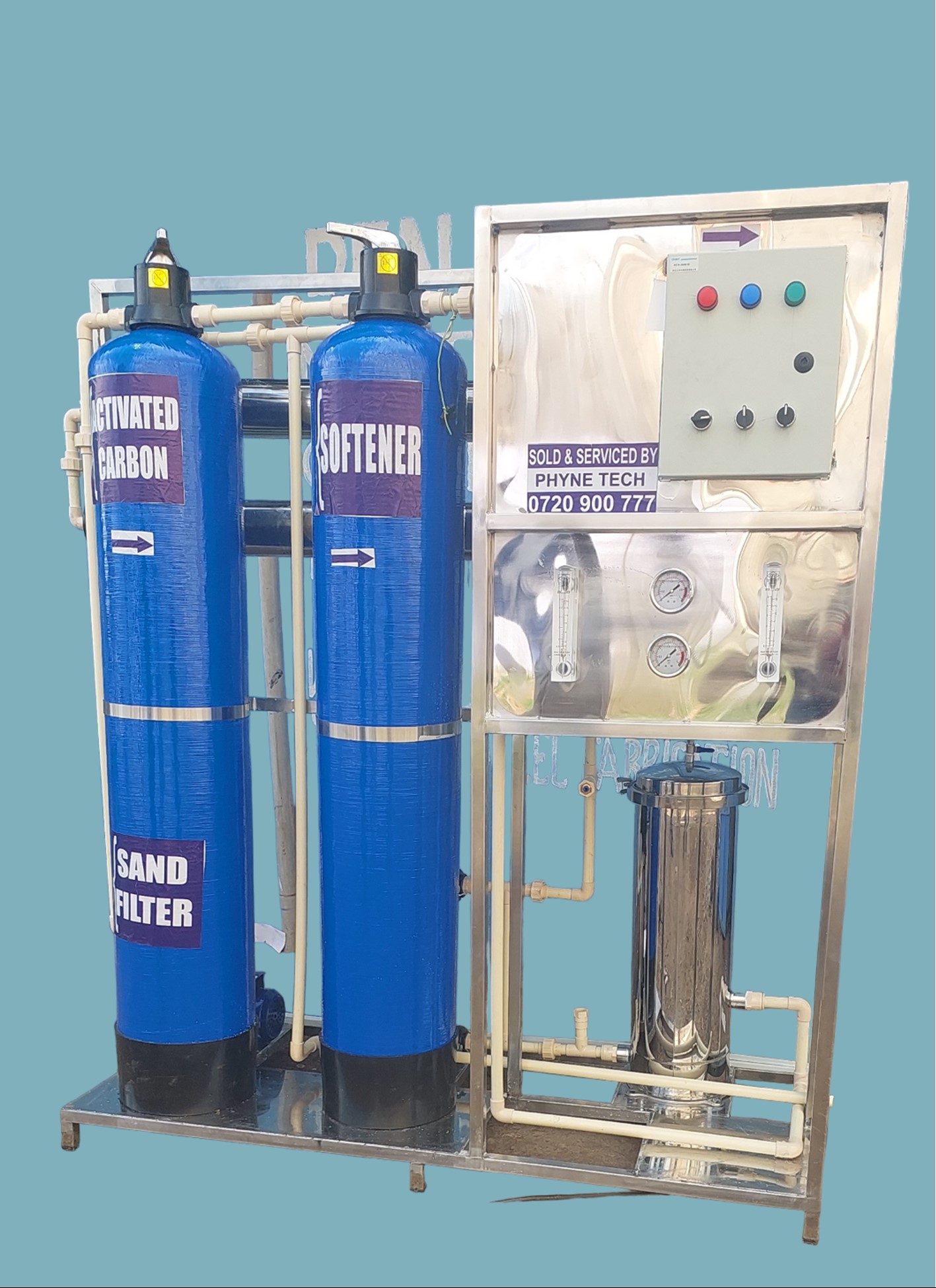
Aquatech Reverse Osmosis Water Purifiers Archives - AquaTech

UF vs RO Water Purification Systems in Kenya: Which One Should You Choose?
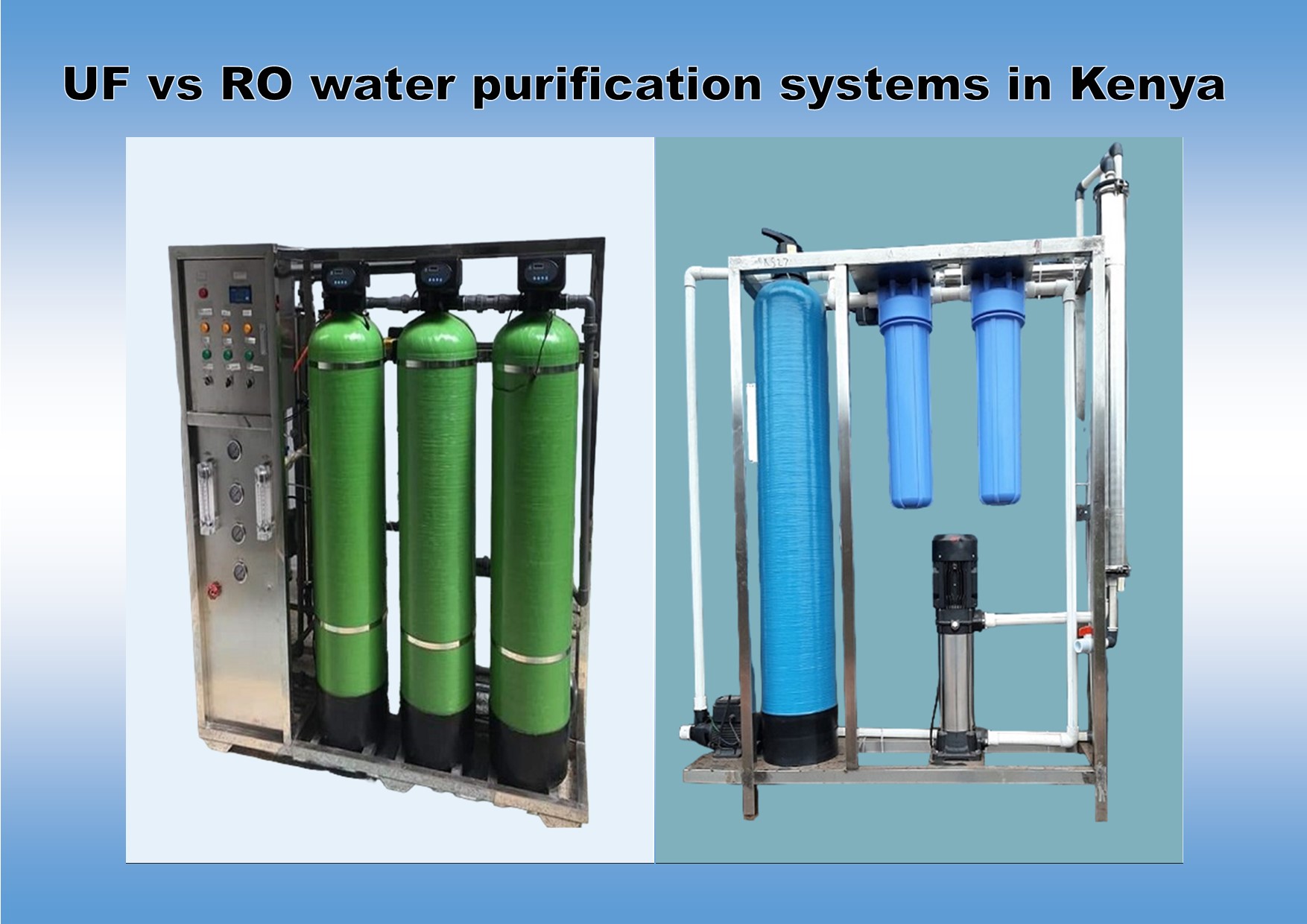
UF vs RO water purification systems in Kenya

UF vs RO Water Purification Systems in Kenya: Which One Should You Choose? Choosing between Ultrafiltration (UF) and Reverse Osmosis (RO) water purification systems is one of the most common decisions faced by homeowners, institutions, and businesses in Kenya. While both technologies improve water quality, they serve very different purposes depending on your water source, usage needs, and budget. This guide on UF vs RO water purification systems in Kenya explains the key differences between UF and RO systems, when each is the right choice, and how to avoid costly mistakes when selecting a water purification solution. UF vs RO water purification systems in Kenya: Understanding the difference between UF and RO water purification The main difference between UF and RO lies in what each technology removes from water. UF systems focus on removing bacteria, viruses, suspended solids, and turbidity. RO systems remove dissolved salts, heavy metals, chemicals, and microorganisms. In simple terms: UF improves already treated or municipal water RO treats raw, borehole, salty, or high TDS water Choosing the wrong system can lead to poor water quality or unnecessary operating costs. What is Ultrafiltration (UF) water purification? Ultrafiltration uses a UF membrane with very fine pores that physically block bacteria, cysts, and suspended particles. UF systems usually operate at normal water pressure and do not require high pressure pumps. What UF systems remove Bacteria and viruses Suspended solids and turbidity Odour and chlorine (with carbon filtration) What UF systems do NOT remove Dissolved salts High TDS Heavy metals Because UF does not remove minerals, the water retains its natural taste and mineral content. What is Reverse Osmosis (RO) water purification? Reverse osmosis forces water through a semi permeable membrane using high pressure, removing both physical and dissolved contaminants. What RO systems remove Dissolved salts and high TDS Heavy metals such as lead and arsenic Chemicals and nitrates Bacteria and viruses Trade offs of RO systems Higher power consumption Water wastage due to rejection Requires pre treatment and regular maintenance RO systems are essential when water quality is poor or unsuitable for direct consumption. UF vs RO water purification systems in Kenya: UF vs RO based on water source in Kenya Your water source is the most important factor when choosing between UF and RO. Municipal or treated water If your water comes from: County water supply Treated piped water Water already meeting basic TDS standards UF is the better choice UF improves safety and clarity without removing minerals or wasting water. Borehole, salty, or high TDS water If your water source is: Borehole water Salty or brackish water Water with high TDS or hardness RO is mandatory UF alone cannot remove dissolved salts or chemical contamination. UF vs RO water purification systems in Kenya: Difference in operating cost and maintenance UF system operating cost Low power consumption No high pressure pump Minimal water wastage Simple cartridge and membrane replacement UF systems are cheaper to run and maintain, making them ideal for institutions and estates. RO system operating cost Higher electricity usage Water rejection during filtration More components to maintain Periodic membrane replacement RO systems cost more to operate but are non negotiable for poor quality water. UF vs RO water purification systems in Kenya: UF vs RO for businesses and institutions Best use cases for UF systems Schools and colleges Hospitals using municipal water Offices and corporate buildings Residential estates Churches and public facilities UF systems provide safe drinking water at low cost when water is already treated. Best use cases for RO systems Water refill and vending businesses Bottled water plants Hotels using borehole water Factories and food processing plants Clinics in areas with poor water quality RO systems ensure compliance, safety, and consistency in demanding environments. Water efficiency and environmental impact UF systems are more water efficient because: No rejection water Minimal wastage Lower energy demand RO systems: Reject a portion of feed water Consume more power Require proper drainage planning For institutions conscious of sustainability and water conservation, UF is often preferred when applicable. Can UF and RO be used together? Yes. In some advanced setups: UF is used as pre treatment before RO This protects RO membranes and improves efficiency However, for most users, one system is sufficient when chosen correctly. UF vs RO water purification systems in Kenya: Which is better Between UF and RO? There is no universal answer. The best system depends on your water quality and application. Choose UF if: Water is municipal or treated TDS is within acceptable limits You want low operating costs Mineral retention is preferred Choose RO if: Water has high TDS Source is borehole or salty You are selling drinking water Compliance and purity are critical Common mistakes buyers make in Kenya Installing UF on borehole water Buying RO for already treated municipal water Overspending on unnecessary capacity Ignoring water testing before purchase A simple water analysis prevents expensive errors. UF vs RO water purification systems in Kenya: Summary UF vs RO at a glance UF systems are ideal for improving safety and clarity of treated water, while RO systems are essential for purifying poor quality or high TDS water. The correct choice saves money, improves water quality, and ensures long term reliability. If you are unsure which system is right for your application, professional guidance and water testing are essential. Interested in buying a water purifier but still torn between RO systems and UF systems? Talk to Aquatech before you buy If you are in investing in a water purifier but still can’t figure out which one is a good fit for your needs between a ultrafiltration water purifier and a RO system we are here to help. Aquatech supplies both Ultrafiltration and Reverse Osmosis water purification systems across Kenya and East Africa. We help clients choose the right technology based on actual water quality, not assumptions. All systems come with: 1 year warranty Free installation and commissioning After sales support Our Location and Contact Details Call: 0720900777 | 0707419100 Email: info@aquatech.co.ke Location: Thika Road Exit … Read more
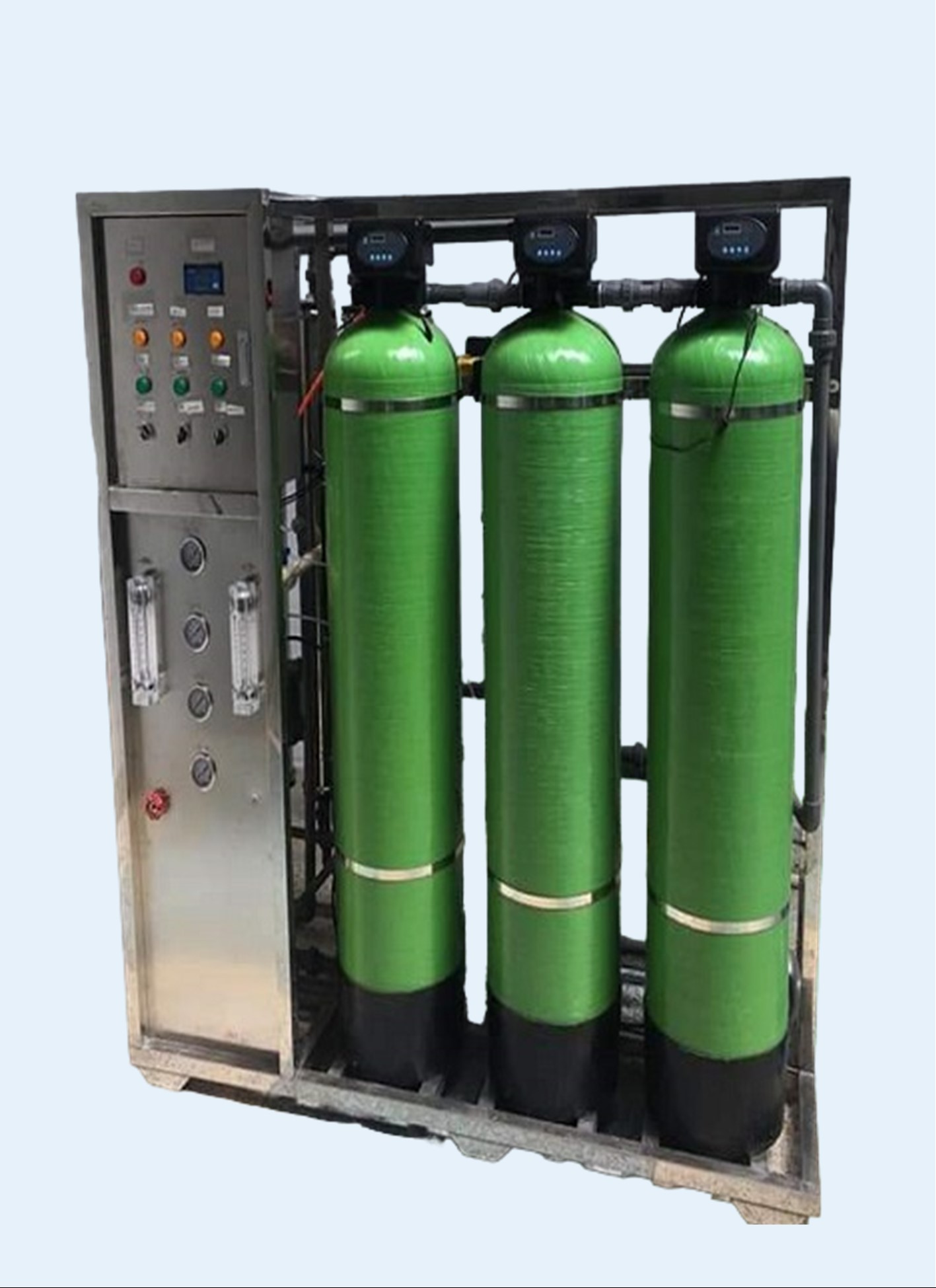
A Complete Technical Guide on How Reverse Osmosis Water Purifiers Work

A Complete Technical Guide on How Reverse Osmosis Water Purifiers Work

A Complete Technical Guide on How Reverse Osmosis Water Purifiers Work: Understanding Reverse Osmosis Water Filtration What Is Reverse Osmosis and How Does It Purify Your Water? Ever wondered how reverse osmosis water purifiers work? This post is for you. Reverse osmosis (RO) water filtration represents one of the most advanced home water purification technologies available today. This sophisticated multi-stage filtration process delivers laboratory-grade water quality directly to your kitchen faucet, removing up to 98% of total dissolved solids (TDS) and contaminants that standard filters cannot eliminate. The reverse osmosis process works by forcing pressurized water through an ultra-fine semipermeable membrane with pores measuring just 0.0001 microns—approximately one-millionth the width of a human hair. Before reaching this critical membrane stage, water undergoes prefiltration to remove sediment and chlorine that could compromise membrane integrity. After membrane filtration, a final polishing stage ensures optimal water quality before the purified water reaches your dedicated RO faucet. How Reverse Osmosis Water Purifiers Work: The Multi-Stage Reverse Osmosis Filtration Process Explained Stage-by-Stage Water Purification Modern reverse osmosis systems employ three to five distinct filtration stages, each engineered to target specific contaminant categories. Below are the five stages explaining how reverse osmosis water purifiers work: Stage 1: Sediment Prefiltration The initial sediment filter captures particulate matter including dirt, rust, silt, and suspended solids down to 5 microns. This prefiltration stage protects downstream components from physical damage and prevents premature membrane fouling. Stage 2: Carbon Prefiltration Activated carbon filtration removes chlorine, volatile organic compounds (VOCs), and chemical contaminants that affect taste and odor. This stage is critical because chlorine can degrade the polyamide RO membrane, significantly reducing system lifespan. Stage 3: RO Membrane Filtration The semipermeable thin-film composite (TFC) membrane performs the primary purification function, rejecting dissolved inorganic salts, heavy metals, and microscopic contaminants. Operating at typical household water pressure (40-80 PSI), the membrane allows only water molecules to pass while rejecting up to 98% of TDS. Stage 4: Storage Tank Holding Purified water collects in a pressurized storage tank, typically holding 2-4 gallons. Since RO systems produce water slowly (2-3 ounces per minute), the storage tank ensures immediate availability when you open the faucet. Stage 5: Post-Filtration Polishing A final carbon polishing filter removes any residual tastes or odors that may have developed during storage, delivering crisp, clean water to your point of use. Comprehensive Contaminant Removal Capabilities What Reverse Osmosis Systems Remove From Your Drinking Water RO technology provides broad-spectrum contaminant reduction that surpasses conventional filtration methods: Heavy Metals and Toxic Elements Arsenic (up to 99% reduction) Lead, mercury, and cadmium Hexavalent chromium (Chromium-6) Copper and aluminum Dissolved Inorganic Compounds Fluoride (removes naturally occurring and added fluoride) Sodium and salt (critical for low-sodium diets) Nitrates and nitrites from agricultural runoff Sulfates and phosphates Chemical Contaminants Chlorine and chloramines Volatile organic compounds (VOCs) Herbicides and pesticides including glyphosate Industrial solvents and manufacturing byproducts Physical Contaminants Sediment, rust, and particulates Turbidity and cloudiness Color and suspended matter Important Limitations: What RO Systems Don’t Remove While reverse osmosis excels at removing dissolved solids and chemical contaminants, it’s not designed for microbiological treatment. Municipal water supplies are already disinfected, but if you source water from wells or untreated supplies, bacteria and viruses require additional treatment. We recommend pairing RO systems with ultraviolet (UV) disinfection systems for complete microbiological protection. Why Your RO System Needs a Pressurized Storage Tank The storage tank solves a fundamental challenge with reverse osmosis technology: production rate versus demand. RO membranes filter water molecule by molecule, producing only 50-75 gallons per day (GPD) under typical operating conditions. Without storage capacity, filling a single drinking glass would require 5-8 minutes of continuous flow. The pressurized storage tank accumulates purified water during low-demand periods, providing instant access when you need it. When the tank reaches capacity, an automatic shut-off valve (ASO) stops water flow through the membrane, preventing unnecessary water consumption and extending membrane life. Why Homeowners Choose Reverse Osmosis Systems: Key Benefits Health and Safety Advantages Superior Contaminant Reduction RO systems provide the most comprehensive home water treatment available outside of distillation. By removing 98% of dissolved solids, RO water contains virtually no harmful contaminants, heavy metals, or chemical pollutants. Sodium Reduction for Health-Conscious Households For individuals on sodium-restricted diets, RO systems effectively remove dissolved sodium from softened water or naturally high-sodium supplies. Enhanced Taste and Odor Quality By eliminating chlorine, minerals, and dissolved gases, RO water delivers clean, neutral-tasting water that enhances beverages and cooking. Practical and Environmental Benefits Eliminate Plastic Bottle Waste A single RO system replaces thousands of plastic water bottles annually, reducing environmental impact and saving money long-term. Compact Under-Sink Installation Modern RO systems fit entirely beneath standard kitchen sinks, requiring no additional floor space while providing point-of-use purification. Straightforward Maintenance Requirements With simple annual filter changes and membrane replacement every 2-3 years, RO systems demand minimal upkeep compared to their performance benefits. Cost-Effective Pure Water After initial investment, RO systems produce purified water for pennies per gallon—dramatically less expensive than bottled water over the system’s 10-15 year lifespan. Understanding RO System Water Efficiency and Waste Reduction The Reality of RO “Wastewater” Reverse osmosis systems separate incoming water into two streams: purified permeate water and concentrated reject water (brine). Standard RO systems typically produce one gallon of purified water for every four gallons sent to drain, resulting in a 20% efficiency ratio. However, calling this reject water “waste” mischaracterizes its function. The brine stream serves an essential purpose by continuously flushing rejected contaminants away from the membrane surface, preventing fouling and maintaining filtration efficiency. This is comparable to how dishwashers and washing machines use water to remove contaminants—it’s functional consumption, not true waste. Three Proven Methods to Maximize RO System Efficiency Install a Permeate Pump for 75-80% Waste Reduction Permeate pumps represent the single most effective efficiency upgrade for RO systems. These hydraulically-powered devices use reject water pressure to boost purified water pressure, improving membrane performance and reducing drain water by 75-80%. Systems equipped with permeate pumps can achieve efficiency ratios … Read more

The Best Water Purification for High-Rise Apartments in Kenya

The Best Water Purification for High-Rise Apartments in Kenya

The Best Water Purification for High-Rise Apartments in Kenya- Is Your Apartment Water Safe? Living in a modern high-rise in Kilimani, Westlands, or Ruaka offers convenience and stunning views, but it often comes with a hidden health risk: contaminated water. While the Nairobi City Water and Sewerage Company (NCWSC) treats water at the source, the journey that water takes through kilometers of aging infrastructure and into communal rooftop tanks can introduce dangerous pathogens, heavy sediment, and chemical residues. If you are a resident or a property manager, finding the best water purification for high-rise apartments in Kenya like our UF systems is no longer just a luxury, it is a critical pillar of family health. Transitioning to a chemical-free water purifier is a significant investment in your family’s long-term health. By choosing a system that leverages hollow fiber membrane benefits, you gain independence from the inconsistent quality of communal storage tanks. Whether you are in a luxury penthouse or a cozy family unit, the best water purification for high-rise apartments is one that delivers safety, preserves minerals, and respects your utility budget. In this guide, we explore why Ultrafiltration (UF) technology has become the gold standard for Kenyan apartments, offering a chemical-free way to ensure every tap in your home delivers crystal-clear, safe water. The Best Water Purification for High-Rise Apartments in Kenya- Key Takeaways for Apartment Residents The “Rooftop Tank” Risk: Most Nairobi high-rises rely on large rooftop tanks (concrete, plastic, or GRP) to manage water rationing. These tanks are prime breeding grounds for algae, bacteria, and silt accumulation if not cleaned quarterly. Why UF is the Modern Standard: Ultrafiltration uses a physical 0.01-micron barrier that is 250 times finer than a human hair, blocking pathogens like E. coli and Salmonella that often thrive in stagnant storage. Essential Mineral Integrity: Unlike Reverse Osmosis (RO), which “strips” water of everything, UF keeps vital minerals like Calcium and Magnesium intact, maintaining the water’s natural taste and health benefits. Unmatched Efficiency: UF systems produce zero wastewater and typically require no electricity, operating entirely on the building’s existing pump or gravity pressure. Sustainable & Maintenance-Friendly: Designed for the busy urbanite, these systems have longer-lasting membranes (up to 2 years) compared to traditional “micro-filters” found in supermarket pitchers. The Best Water Purification for High-Rise Apartments in Kenya- The Reality of Water in Nairobi’s High-Rise Boom Nairobi’s vertical growth has outpaced its 1950s-era piping infrastructure. For a resident on the 10th floor of a new apartment block, the water arriving at the tap has likely faced two major contamination points: The Aging Pipe Network As municipal water moves through the city, it often encounters old, corroded cast-iron pipes. When the city water pressure drops (during rationing), a “vacuum” can pull soil and external contaminants into these pipes through small leaks. This is why your water might occasionally look brown or “rusty” when the supply first returns. The Stagnation Problem in Storage Tanks Because supply is inconsistent, developers install massive storage reservoirs. Stagnant water, especially in plastic tanks exposed to Nairobi’s intense equatorial sun, can undergo “thermal stratification,” leading to rapid algae growth and a “biofilm” on the tank walls. This biofilm protects bacteria from the trace amounts of chlorine left in the water. Is Your Apartment Water Safe? Water Quality Comparison by Nairobi Neighborhoods Neighborhood Type Representative Areas Primary Water Source Major Water Quality Issue Recommended Tech The “Red Soil” Belt Kilimani, Lavington, Westlands, Kileleshwa Municipal (Piped) + Tanks Heavy Silt & Rust: Aging pipes and red volcanic soil runoff lead to high turbidity and brown water. Ultrafiltration (UF) The “Saline” Zone Syokimau, Kitengela, Athi River, Mlolongo Private Boreholes High Salinity & TDS: Extremely “hard” water that tastes salty, leaves white scales on kettles, and damages skin/hair. Reverse Osmosis (RO) The “Fluoride” Belt Ruaka, Kikuyu, Lower Kabete Piped + Deep Boreholes Excess Fluoride: High natural fluoride levels can cause dental and skeletal fluorosis (browning of teeth). RO or Activated Alumina The “High-Density” Zone Umoja, Eastleigh, Roysambu, Ruai Piped + Shallow Wells Microbial Risk: Higher risk of cross-contamination from sewage lines and poorly maintained communal tanks. UF + UV Sterilization The “Leafy” Suburbs Karen, Runda, Muthaiga Mix of Piped & Shallow Boreholes Acidity/pH Issues: Some groundwater in these areas is slightly acidic, which can corrode copper plumbing. UF + pH Neutralizer How to identify the best water purifier for your needs Identify Your “Source Mix”: Many apartments in Kilimani and Westlands market “Borehole Water Available” to combat rationing. If your building switches between municipal and borehole water, a Hybrid System (UF + RO) is often the safest bet. The “Visual vs. Invisible” Test: If your water is cloudy or brown but tastes okay (common in Westlands), you have a Silt/Sediment problem (Choose UF). If your water is crystal clear but tastes “heavy” or salty (common in Syokimau), you have a Dissolved Solids problem (Choose RO). Appliance Protection: In Syokimau/Kitengela, water purification isn’t just for drinking. High salinity destroys instant showers and washing machines in months. In these areas, we recommend a “Whole-House Softener” in addition to drinking water filters. Why UF is the Best Water Purification for High-Rise Apartments in Kenya When looking for safe drinking water for families, the debate usually lands between UV, RO, and UF. For apartment dwellers using piped municipal water, Ultrafiltration (UF) offers the most balanced “human-first” solution. 0.01 Micron Precision: A Physical Wall While UV light “scrambles” the DNA of bacteria, it doesn’t remove the physical “carcass” or the mud and rust. Ultrafiltration, however, is a physical sieve. Its hollow fiber membrane technology ensures that anything larger than 0.01 microns is physically blocked. This precision allows UF to effectively stop: Pathogenic Bacteria: Including Cholera, Typhoid, and E. coli. Cysts and Parasites: Such as Giardia and Cryptosporidium, which are naturally resistant to chlorine. Microplastics: Increasingly found in tap water due to the degradation of plastic pipes and tanks. Turbidity: Removing the fine clay and silt that makes water look “cloudy.” The “No-Waste” Advantage In an era of rising water bills, efficiency … Read more

RO500L Water Purifier Price in Kenya Shillings

RO500L Water Purifier Price in Kenya

  RO500L Water Purifier Price in Kenya Shillings & ROI Breakdown Introduction For many Kenyan businesses, investing in a commercial water purification system is not just about clean water—it is about cost control, compliance, and long-term profitability. Whether you operate a water station, hotel, hospital, food processing plant, or manufacturing facility, water quality directly affects your operations and reputation. One of the most common questions business owners ask is: What is the cost of a commercial RO machine in Kenya, and is it worth the investment? In this post we shall discuss the Aquatech RO500L Water Purifier price in Kenya Shillings and it’s ROI. The RO500L Water Purifier is a high-capacity system designed for continuous commercial use. While its upfront cost may appear significant, the long-term financial and operational benefits often outweigh the initial investment. This guide breaks down the Aquatech RO500L commercial RO machine cost in Kenya shillings, explains what influences pricing, outlines operating expenses, and analyses the return on investment (ROI) for different types of Kenyan businesses. What Determines the Cost of a Commercial RO Machine in Kenya? The price of a commercial reverse osmosis system is influenced by several technical and operational factors. Understanding these elements helps buyers make informed comparisons. System Capacity and Output Higher capacity systems cost more because they: Produce more purified water per hour Use industrial-grade pumps and membranes Are designed for continuous operation The RO500L water purifier sits in the high-capacity category, making it suitable for demanding commercial environments. Quality of Components Not all RO systems are built the same. Pricing is affected by: RO membrane quality and lifespan Pump efficiency and durability Filtration stages and automation controls Cheaper systems may reduce upfront costs but often increase maintenance and downtime expenses. Water Source and Pretreatment Requirements In Kenya, borehole water often requires additional pretreatment to manage high salinity, hardness, or iron content. Systems configured for tougher water conditions may have slightly higher initial costs but perform better long term. Installation and After-Sales Support A complete solution includes: Site assessment Professional installation Commissioning and testing Operator training When evaluating the Aquatech commercial RO machine cost in Kenya shillings, it is important to consider these services as part of the total value. RO500L Water Purifier Price in Kenya Shillings The price of the RO500L Water Purifier in Kenya is KSh330,000. Where can you buy the RO500L Water Purifier in Kenya There are 2 main companies you can buy the machine from: Aquatech or Phynetech. RO500L Features That Influence Its Price The RO500L RO system is priced as a premium commercial solution because of the features designed to support reliability and scalability. High-Capacity Output Design The system is engineered to deliver consistent output suitable for water stations and commercial facilities with high daily demand. Industrial-Grade RO Membranes Durable membranes ensure: High salt rejection rates Longer service life Stable water quality even with variable raw water Robust Pumping and Control Systems Advanced pressure and flow controls protect components and improve efficiency, reducing long-term operating costs. Cost vs Performance Analysis of the RO500L Water Purifier When comparing cost versus performance, the RO500L water purifier consistently ranks among the best RO machines for businesses in Kenya. While smaller systems may appear cheaper initially, they often: Fail to meet demand Require frequent repairs Consume more energy per litre The RO500L water purification machine’s performance efficiency lowers cost per litre, making it more economical over time. Operating Costs and Maintenance Expenses Understanding ongoing costs is critical when calculating ROI. Electricity Consumption Commercial RO systems consume electricity to power pumps. However, efficient pump design in the RO500L water purification system helps keep power costs predictable and manageable. Filter and Membrane Replacement Typical consumables include: Sediment and carbon filters RO membranes (replaced every 12–24 months depending on water quality) Proper pretreatment significantly extends membrane life, reducing replacement frequency. Routine Servicing Scheduled servicing prevents breakdowns and maintains system efficiency. Compared to emergency repairs, planned maintenance is far more cost-effective. ROI Analysis of the RO500L Water Purifier for Kenyan Businesses The true value of the RO500L Water Purifier lies in its return on investment. Water Stations and Water Vending Businesses For water stations, ROI is often achieved within a short period because: Cost per litre drops significantly Daily production volume is high Demand for clean drinking water is consistent Many operators recover their investment within months, depending on sales volume. Hotels and Hospitality Facilities Hotels save money by: Eliminating bottled water purchases Improving guest satisfaction Reducing water-related complaints Manufacturing and Food Processing Consistent water quality reduces: Equipment scaling Product rejection Downtime caused by poor water quality Across these sectors, commercial water purification systems in Kenya like the RO500L RO system offer measurable financial and operational returns. Why Buying the Aquatech RO500L Water Purifier Lowers Long-Term Costs The supplier you choose affects lifetime system cost. Local Technical Expertise Aquatech configures systems specifically for Kenyan water conditions, preventing over- or under-sizing. Genuine Spare Parts and Support Access to original spare parts ensures: Shorter downtime Better system performance Lower long-term maintenance costs Kenya-Wide Service Coverage Nationwide support reduces travel and service delays, especially for businesses outside major cities. This makes the Aquatech RO500L reverse osmosis machine a safer long-term investment compared to imported systems without local backing. How to Budget for an RO500L Commercial Reverse Osmosis System When planning your purchase, consider: Initial system cost Installation and commissioning Monthly operating expenses Annual maintenance and consumables Viewing the RO500L RO system as a business asset rather than an expense helps align expectations with long-term benefits. RO500L Water Purifier – Conclusion Understanding the RO500L Commercial Reverse Osmosis Machine cost in Kenya requires looking beyond the purchase price. Capacity, build quality, operating efficiency, and supplier support all play a role in determining true value. For businesses that depend on reliable, high-quality water, the RO500L water purification system delivers strong ROI through reduced operating costs, improved water quality, and long-term reliability. Backed by Aquatech’s local expertise and after-sales support, the RO500L water purifier is a smart investment for water stations, hospitality businesses, … Read more

Aquatech RO500L Water Purifying System- The Best RO Machines in Kenya

Best Water Purifiers for Schools in Kenya | Aquatech RO500L Water Purifying System

Aquatech RO500L Water Purifying System – The Best Reverse Osmosis Machine for Water Stations in Kenya Introduction The water vending and refilling business in Kenya continues to grow as more households seek affordable and reliable access to safe drinking water. In cities such as Nairobi, Kisumu, Nakuru, Eldoret, and Mombasa, as well as fast-growing peri-urban areas, water stations have become an essential part of daily life. However, behind every successful water station is a dependable water purification system that consistently produces clean, compliant drinking water. The Aquatech RO500L Water Purifying System is the top of the range machine you should invest in. Choosing the right reverse osmosis machine for water stations in Kenya is one of the most critical decisions a water station owner can make. A system that is undersized, poorly built, or unsupported locally can lead to high operating costs, frequent breakdowns, and regulatory challenges. This is why many water vending business operators are turning to robust commercial systems like the Aquatech RO500L RO machine. In this guide, we assess whether the Aquatech RO500L Water Purifier is the right solution for water stations in Kenya by examining water quality challenges, system performance, business benefits, and long-term reliability. Understanding Water Quality Challenges Facing Water Stations in Kenya Water stations in Kenya typically rely on either borehole water or municipal supply, both of which present unique challenges. Borehole Water Challenges Borehole water is widely used because of its availability, but it often contains: High salinity and Total Dissolved Solids (TDS) Excessive hardness Iron, manganese, and other dissolved minerals Unpleasant taste and odour Without advanced treatment, this water is unsuitable for drinking and does not meet regulatory standards. Municipal Water Limitations While treated, municipal water can still pose problems due to: High chlorine content Contamination during distribution Inconsistent quality across different locations For water stations, inconsistency in raw water quality directly affects customer trust and repeat business. Compliance and Consumer Expectations Water sold to the public must meet KEBS and public health requirements. Customers are also increasingly informed and expect water that is clear, safe, and good-tasting. This makes investing in reliable commercial water purification systems in Kenya essential for sustainable water station operations. How the RO500L Reverse Osmosis Machine Solves Water Station Needs The Aquatech RO500L Commercial Reverse Osmosis Machine is designed for high-demand commercial environments such as water refilling and vending stations. Built for Continuous Commercial Use Unlike domestic RO systems, the Aquatech RO500L Water Purifying System is engineered for: Continuous daily operation High flow rates suitable for water stations Stable water quality output even during peak hours This makes it ideal for water stations serving a high number of customers each day. Advanced Purification Performance The Aquatech RO500L RO system uses a multi-stage reverse osmosis process to remove: Dissolved salts and minerals Bacteria and viruses Heavy metals and chemical contaminants As a result, water stations can confidently supply safe, high-quality drinking water that meets regulatory standards. Compatibility with Water Station Infrastructure The Aquatech RO500L RO machine integrates seamlessly with: Raw and treated water storage tanks UV sterilisation units Manual or automated water dispensing points This flexibility allows water station owners to scale operations as demand grows without changing their core purification system. Key Features of the Aquatech RO500L Water Purifying System That Matter for Water Stations When evaluating a reverse osmosis machine for water stations in Kenya, the following RO500L features are particularly important: High Output Capacity – Supports commercial-scale water vending Durable RO Membranes – Designed for Kenyan borehole and municipal water conditions Consistent Water Quality – Essential for customer trust and compliance Ease of Maintenance – Reduces downtime and operational disruption Energy-Efficient Operation – Helps control long-term costs These characteristics place the RO500L among the best RO machines for businesses in Kenya focused on water vending. Business Benefits of Using the Aquatech RO500L Water Purifying System for Water Stations in Kenya Beyond water quality, the RO500L delivers tangible business advantages. Lower Cost per Litre Producing purified water on-site significantly reduces the cost per litre compared to: Buying treated water from third parties Transporting water from external suppliers Relying on bottled water sources This directly improves profit margins for water stations. Improved Customer Confidence and Loyalty Consistently clean, good-tasting water leads to: Repeat customers Positive word-of-mouth referrals Stronger brand reputation within the community Scalability for Growing Demand As customer demand increases, the RO500L can support higher production volumes, making it a future-ready investment for expanding water stations. Why Aquatech Is a Trusted Supplier for Water Station RO Systems in Kenya Selecting the right supplier is just as important as selecting the right RO system. Local Knowledge and Experience Aquatech understands local water conditions and configures RO systems accordingly, ensuring optimal performance from day one. Professional Installation and After-Sales Support Aquatech provides: Expert installation and commissioning Operator training Ongoing maintenance and technical support This support structure reduces operational risks for water station owners. Reliable Spare Parts Availability Fast access to genuine filters, membranes, and components minimises downtime and keeps water stations operational. How to Set Up a Water Station Using the Aquatech RO500L Water Purifying System Installing the Aquatech RO500L Water Purifier follows a clear and professional process. Step 1: Site Assessment Aquatech evaluates space availability, power supply, and expected daily water demand. Step 2: Raw Water Testing Water testing determines salinity, hardness, and other parameters to ensure correct system configuration. Step 3: Installation and Commissioning The RO system is installed, tested, and calibrated for optimal performance. Step 4: Training and Maintenance Planning Operators are trained on system operation and routine maintenance to ensure long-term reliability. Aquatech RO500L Water Purifying System- Conclusion For anyone researching on reverse osmosis machine for water stations in Kenya, the RO500L stands out as a reliable, efficient, and scalable solution. It addresses common challenges associated with borehole and municipal water, supports regulatory compliance, and enables water stations to deliver consistent, high-quality drinking water. Backed by Aquatech’s local expertise, installation support, and nationwide service coverage, the Aquatech RO500L RO machine is well-suited for … Read more

RO500L Commercial Reverse Osmosis Machine (Buyer’s Guide)

Aquatech Reverse Osmosis Machine RO500L | RO500L Commercial Reverse Osmosis Machine

RO500L Commercial Reverse Osmosis Machine (Buyer’s Guide) Introduction Access to clean, safe, and reliable water is no longer a luxury for businesses in Kenya—it is a necessity. From water vending stations and hotels to hospitals, schools, and manufacturing plants, demand for high-quality purified water continues to rise as water quality challenges persist across many regions. Issues such as high salinity in borehole water, excessive hardness, microbial contamination, and inconsistent municipal supply have pushed businesses to seek dependable purification solutions. This is where the RO500L Commercial Reverse Osmosis Machine stands out. Designed for high-capacity commercial use, it offers a scalable, cost-effective way to produce purified water that meets safety and quality standards. Within the first stages of decision-making, many buyers ask: Which system can handle our daily demand, remain efficient, and deliver long-term value? This buyer’s guide answers those questions by explaining how the RO500L Reverse Osmosis Water Purifier works, why it is suitable for Kenyan conditions, and how businesses can evaluate it as an investment rather than just a purchase. Understanding the Need for a Commercial Reverse Osmosis Machine in Kenya Household water purifiers are built for low volumes and intermittent use. For businesses, this simply isn’t enough. Commercial operations require consistent output, higher flow rates, and robust components that can withstand continuous operation. In Kenya, this need is amplified by three key factors: Water Quality Variability Borehole water often contains high Total Dissolved Solids (TDS), salts, and iron. Municipal water can be microbiologically unsafe or chemically treated beyond acceptable taste levels. Regulatory and Quality Compliance Businesses such as water refilling stations, hospitals, and food processors must meet KEBS and public health requirements. A commercial RO system ensures compliance by removing up to 99% of dissolved contaminants. Cost and Operational Efficiency Buying bottled water or outsourcing purification is expensive in the long run. Investing in a system like the RO500L Commercial Reverse Osmosis Machine reduces cost per litre and offers predictable operating expenses. Across Kenya, commercial reverse osmosis machines are now standard equipment for water stations, hospitality facilities, medical institutions, and light industries. They bridge the gap between unreliable raw water sources and the need for consistent, safe, and affordable purified water. How the RO500L Commercial Reverse Osmosis Machine Works Reverse osmosis is a multi-stage purification process that uses pressure to force water through a semi-permeable membrane, removing dissolved salts, chemicals, and microorganisms. The RO500L is engineered to deliver this process efficiently at commercial scale. Step-by-Step Process Raw Water Intake Water from boreholes or municipal supply enters the system under controlled pressure. Pre-Treatment Larger particles, sediments, and chlorine are removed to protect the RO membrane. Reverse Osmosis Filtration High-pressure pumps push water through the RO membrane, separating pure water from contaminants. Post-Treatment and Storage Purified water is conditioned and stored in clean tanks, ready for use or distribution. This design ensures consistent output even when input water quality fluctuates—an important advantage for businesses operating in different regions of Kenya. Key Filtration Stages in the RO500L Commercial Reverse Osmosis Machine System The performance of the RO500L RO System depends on its carefully engineered filtration stages: Sediment Filtration Removes sand, silt, and rust particles that could clog downstream components. Carbon Filtration Eliminates chlorine, organic compounds, and unpleasant tastes or odours. RO Membrane Separation The heart of the system, where dissolved salts, heavy metals, and microbes are rejected. Post-Treatment & Safety Controls Includes flow monitoring, pressure gauges, and optional UV sterilisation to ensure final water safety. By integrating these stages, the RO500L Commercial Reverse Osmosis Machine achieves high purification efficiency while protecting critical components from premature wear. Benefits of Using the RO500L Commercial Reverse Osmosis Machine in Kenyan Businesses Investing in a high-capacity RO system offers both operational and financial advantages: High Daily Output Suitable for businesses requiring hundreds of litres per hour without compromising quality. Lower Operating Costs Producing purified water in-house is significantly cheaper than buying bottled or trucked water. Versatility Designed to handle both borehole and municipal water, making it adaptable across Kenya. Long-Term Return on Investment While the initial cost may seem high, savings accumulate quickly through reduced water expenses and improved efficiency. For many buyers comparing industrial RO systems in Kenya, the RO500L consistently ranks among the best RO machines for businesses in Kenya due to its balance of capacity, durability, and cost-effectiveness. Why Choose Aquatech for Commercial RO Machines in Kenya Choosing the right machine is only half the decision—the supplier matters just as much. Aquatech brings several advantages to Kenyan businesses: Local Expertise Deep understanding of Kenyan water conditions and regulatory requirements. Professional Installation & After-Sales Support From site assessment to commissioning, Aquatech ensures systems perform optimally. Availability of Spare Parts Quick access to membranes, filters, and consumables reduces downtime. Kenya-Wide Service Coverage Support is available beyond Nairobi, ensuring reliability for regional operations. The Aquatech RO500L reverse osmosis machine is not just equipment; it’s a complete water purification solution backed by local technical support. How to Get Started with the RO500L Commercial Reverse Osmosis System Implementing a commercial RO system is a structured process: Site Assessment Evaluate space, power supply, and daily water demand. Water Testing Analyse raw water quality to configure the system correctly. Installation Timeline Professional setup ensures correct alignment, pressure settings, and safety checks. Training & Maintenance Planning Staff training and scheduled servicing protect your investment and maintain output quality. This step-by-step approach ensures businesses get maximum value and performance from their high capacity RO system in Kenya. RO500L Commercial Reverse Osmosis Machine: Conclusion For businesses seeking reliable, scalable, and cost-effective water purification, the RO500L Commercial Reverse Osmosis Machine is a proven solution. It addresses Kenya’s diverse water quality challenges while delivering consistent output suitable for commercial operations. From water vending stations to hospitals and hotels, this system combines advanced filtration, operational efficiency, and long-term value. By choosing a trusted supplier like Aquatech and understanding how to size, install, and maintain the system, buyers can make informed decisions that support growth and compliance. Ultimately, investing in the RO500L Commercial Reverse Osmosis Machine … Read more

How to Start a Fully Equipped Water Vending Machine Business in Kenya with a Budget of Ksh 350,000

How to Start a Fully Equipped Water Vending Machine Business in Kenya with a Budget of Ksh 350,000

How to Start a Fully Equipped Water Vending Machine Business in Kenya with a Budget of Ksh 350,000: Complete Guide Water scarcity and the growing demand for clean, safe drinking water present a golden opportunity for entrepreneurs in Kenya. With increasing awareness of waterborne diseases and environmental concerns about plastic bottles, starting a water vending machine business has become one of the most promising ventures in the country. The best part? You can start a fully equipped water vending machine business in Kenya with a budget of Ksh 350,000 and build a profitable, sustainable business that serves your community. A water vending machine, commonly known as a water ATM, revolutionizes how people access purified drinking water. These innovative devices allow customers to purchase clean, filtered water using cash or mobile payments like M-Pesa, providing convenience while ensuring water quality. Beyond meeting the essential need for safe drinking water, this business model offers entrepreneurs a steady income stream while contributing to environmental conservation by reducing single-use plastic bottle consumption. The water vending industry in Kenya has experienced remarkable growth, driven by urbanization, population increase, and heightened health consciousness. Market research indicates that the average Kenyan household spends 15-20% of their income on water, creating a substantial market opportunity. With proper planning and execution, entrepreneurs who start a water ATM business in Kenya with a Ksh 350,000 budget can achieve profitability within 6-12 months. How to Start a Fully Equipped Water Vending Machine Business in Kenya with a Budget of Ksh 350,000 Market Analysis: Understanding Kenya’s Water Vending Opportunity Growing Demand for Clean Water Kenya’s urban centers face significant water challenges, with many areas experiencing unreliable municipal water supply. Cities like Nairobi, Mombasa, Kisumu, and Nakuru present excellent opportunities for water vending businesses, particularly in densely populated residential areas, markets, and commercial centers. The demand for purified water continues to surge due to several factors: Increasing awareness of waterborne diseases Unreliable municipal water supply Growing health consciousness among consumers Rising middle-class population seeking convenience Environmental awareness driving alternatives to bottled water Target Market Identification Successful water vending businesses target specific demographics: Urban residents in areas with water supply challenges Middle-income families prioritizing health and convenience Small businesses requiring clean water for operations Schools and institutions seeking affordable water solutions Health-conscious consumers preferring purified water How to Start a Fully Equipped Water Vending Machine Business in Kenya with a Budget of Ksh 350,000:  Important 6 Steps to Help You Start a Water Vending Machine Business in Kenya Step 1: Conduct Comprehensive Market Research Market research forms the foundation of your water vending business success. This critical step helps you understand local demand, competition, and customer preferences in your target area. Research Components: Location Analysis: Identify high-potential areas such as: Residential estates with water supply issues Busy market centers and shopping areas Near schools, hospitals, and public facilities Transport hubs and bus stations Industrial areas with worker populations Customer Profiling: Understand your target customers by asking: What are their daily water consumption patterns? How much do they currently spend on water? What are their preferred payment methods? What quality expectations do they have? Competition Assessment: Analyze existing water vendors by evaluating: Their pricing strategies and service offerings Location advantages and customer traffic Equipment quality and maintenance standards Customer satisfaction levels and complaints Demand Forecasting: Calculate potential daily sales based on: Population density in your target area Average water consumption per person Competitive pricing analysis Seasonal demand variations Step 2: Choose Your Optimal Business Model When planning to start a water station business with Ksh 350,000, selecting the right business model significantly impacts your success and operational efficiency. Independent Business Model: This approach offers complete control over your operations while requiring more hands-on management. Advantages: Full control over pricing and operations Higher profit margins Flexibility in equipment selection Complete branding freedom Considerations: Requires more research and setup time Full responsibility for equipment maintenance Need to establish supplier relationships Higher initial learning curve Franchise Partnership Model: Partnering with established water vending companies provides structured support and proven systems. Advantages: Proven business model and support Training and operational guidance Established supplier networks Brand recognition benefits Considerations: Franchise fees reduce profit margins Less operational flexibility Adherence to franchisor standards Potential territorial restrictions For entrepreneurs with a Ksh 350,000 budget, the independent model often provides better long-term profitability, though it requires more initial effort and research. Step 3: Invest in Quality Water Vending Equipment Equipment selection represents the largest portion of your startup investment and directly impacts business success. When you start a fully equipped water station business in Kenya with a Ksh 350,000 budget, choosing the right equipment is crucial. Essential Equipment Components: Water Vending Machine Specifications: Capacity: 500-1000 liter storage tanks for consistent supply Purification System: Multi-stage filtration including sediment, carbon, and reverse osmosis Payment Integration: M-Pesa, cash, and card payment capabilities User Interface: Touch screen with clear instructions in local languages Dispensing Options: Multiple container sizes (500ml to 20 liters) Quality Standards to Consider: KEBS Certification: Ensures compliance with Kenyan quality standards Durable Construction: Stainless steel components for longevity Weather Resistance: IP65 rating for outdoor installations Energy Efficiency: Low power consumption to minimize operating costs Maintenance Accessibility: Easy access for cleaning and repairs Technology Features: Real-time monitoring and reporting systems Remote diagnostics capabilities Automated cleaning cycles Water quality indicators Customer usage analytics Also read: The Ultimate Guide to Buying The Best Drinking Water Treatment Machines in Kenya Step 4: Secure Reliable Water Supply and Quality Assurance Consistent, high-quality water supply forms the backbone of your water vending business. Following these guidelines to starting a water ATM business in Kenya ensures customer satisfaction and business sustainability. Water Source Selection: Municipal Water: Most cost-effective but requires thorough filtration Borehole Water: Independent supply but needs quality testing Supplier Partnership: Reliable but higher per-liter costs Quality Assurance Protocols: Regular Testing: Monthly water quality analysis WASREB Compliance: Meet Water Services Regulatory Board standards NEMA Guidelines: Environmental compliance for water treatment Customer Transparency: Display quality certificates publicly Supply Chain Management: Backup Plans: … Read more

The Best Drinking Water Treatment Machines in Kenya (Guide)

The Best Drinking Water Treatment Machines in Kenya

The Ultimate Guide to Buying The Best Drinking Water Treatment Machines in Kenya When it comes to your health and your business’s success, access to clean water isn’t just a luxury—it’s a necessity. Navigating the market for the best drinking water treatment machines in Kenya can be overwhelming, but it’s one of the most crucial investments you’ll ever make. This comprehensive guide will help you understand the available options, compare prices, and discover why we are the most trusted manufacturer and supplier in the country. The growing concern over water quality across Kenya has made purification systems essential for homes, offices, and commercial ventures. Our extensive experience in this industry allows us to provide expert guidance and reliable solutions. We have a deep understanding of the unique challenges posed by Kenyan water sources and the effective technologies required to address them. The Best Drinking Water Treatment Machines in Kenya: Understanding the Prices of Drinking Water Treatment Machines in Kenya Making a smart investment requires a clear understanding of the costs involved. Prices for water treatment machines in Kenya vary significantly, influenced by factors such as capacity, technology, and intended use. We’ve conducted a thorough analysis of the market to provide you with accurate and transparent pricing information. Type of Machine Price Range (KSh) General Purpose Water Purifiers (230–3000 L/hr) 330,000 – 1,350,000 Municipal Water Purifiers (250–1000 L/hr) 160,000 – 250,000 Reverse Osmosis (RO) System 230,000 – 350,000 Reverse Osmosis (RO) Purifier (250 L/hr) 180,000 – 280,000 Reverse Osmosis (RO) Purifier (500 L/hr) 330,000 – 350,000 Reverse Osmosis (RO) Purifier (1000 L/hr) 580,000 – 600,000 Reverse Osmosis (RO) Purifier (1500 L/hr) 850,000 Ultrafiltration (UF) Systems 160,000 – 160,000   A Detailed Look at Water Purification Machine Prices The price of a water purification system is influenced by several key factors. The required capacity is the most significant determinant of the final cost. The technology type, whether it’s reverse osmosis (RO) or ultrafiltration (UF), also plays a major role, as does the complexity of the installation and any additional accessories. For small-scale residential use, units typically range from KSh 60,000 to KSh 250,000. Mid-capacity commercial systems generally cost between KSh 330,000 and KSh 600,000, while industrial-grade systems can reach up to KSh 1,350,000, depending on their specific requirements. These prices reflect current market conditions and our commitment to maintaining the highest quality standards. Investing in a quality system provides long-term value. RO systems, for example, have a higher price point due to their advanced filtration capabilities, which can remove even the smallest impurities. UF systems offer a more cost-effective solution for treating water with specific quality challenges. Our pricing remains highly competitive while guaranteeing superior quality and unwavering reliability. Commercial Water Purification Machine Prices in Kenya Commercial businesses need robust purification systems that can handle large volumes of water, typically processing between 250 to 3,000 liters per hour. The investment for these systems ranges from KSh 330,000 to KSh 1,350,000, with the return on investment (ROI) becoming evident through reduced operational costs and improved product quality. Investing in a high-quality commercial system offers multiple benefits. It significantly lowers ongoing expenses by reducing dependency on expensive bottled water. Improved water quality ensures product consistency in industries like food and beverage, and providing clean, safe water enhances customer satisfaction. The typical payback period for a commercial system is between 12 to 24 months. Our energy-efficient designs, comprehensive warranties, and technical support further ensure you get the maximum ROI. Salty Water Purifier Machine Prices in Kenya Coastal regions and certain inland areas in Kenya face the unique challenge of high-salinity water. To effectively treat these sources, specialized purification technology is required. Our salty water purifiers use advanced reverse osmosis technology specifically engineered to handle these conditions. Pricing for these systems ranges from KSh 250,000 to KSh 850,000. The technology for purifying salty water involves several critical stages. Pre-treatment systems first remove large particles and reduce chlorine. Then, high-pressure RO membranes eliminate dissolved salts and other contaminants. Finally, post-treatment processes ensure the purified water has an optimal taste and mineral balance. Despite the higher initial cost, the long-term value is undeniable due to reduced maintenance and extended membrane life. These systems provide a reliable solution for challenging coastal environments. Where to Buy the Best Drinking Water Treatment Machines in Kenya Choosing the right supplier is just as important as choosing the right machine. When selecting a provider, you should look beyond just the price. Factors such as quality assurance, technical support, and the availability of spare parts are crucial for a positive and long-lasting ownership experience. Your primary consideration should be the manufacturer’s reputation. Check customer testimonials and industry references. The quality of after-sales service directly impacts your system’s performance and longevity. Buying directly from a local manufacturer offers distinct advantages, including faster technical support and a deeper understanding of local water quality issues. It also eliminates intermediary markups, leading to more competitive pricing. While you should always conduct thorough research, visit showrooms, and compare warranties, the best place to buy the best drinking water treatment machines in Kenya is Aquatech. You can never go wrong with a water purification machine you buy in Kenya made by us. The Best Borehole Water Purification Machines in Kenya: from Aquatech Borehole Water Purifiers Borehole water presents unique purification challenges due to high mineral content, bacterial contamination, and pH variations. Our RO systems are specifically designed to tackle these issues through comprehensive, multi-stage treatment processes. Our advanced systems effectively remove common contaminants like iron, manganese, and hydrogen sulfide, while preserving beneficial minerals. For this purpose, Reverse Osmosis technology is the most effective. Our borehole purification systems include essential features like robust pre-treatment capabilities, automatic flushing cycles to extend membrane life, and monitoring technology that tracks performance in real-time. These features ensure reliable operation in the most challenging borehole water conditions. Why Buy Commercial Water Purifiers from Aquatech? Investing in a water purifier from us means choosing quality, reliability, and superior technology. Trusted and Reliable Performance Our company has … Read more

The Best Borehole Water Purification Machines in Kenya

The Best Borehole Water Purification Machines in Kenya

The Best Borehole Water Purification Machines in Kenya: Your Complete Guide Having access to a borehole can be a great asset for households and businesses. However, the water often needs treatment to be safe for use. Finding the best borehole water purification machines in Kenya is a crucial step toward ensuring clean and healthy water. This guide will provide a comprehensive look at the options available in the market. We will help you understand what to look for when selecting machines. Our team has researched the leading suppliers and manufacturers extensively. The information we share comes from years of experience in the industry. We aim to guide you toward making informed purchasing decisions. Prices of the Best Borehole Water Treatment Machines in Kenya Understanding pricing helps you plan your investment effectively. The cost varies based on several important factors. We have compiled detailed information to help you budget appropriately. Water Purifier Prices in Kenya   Type of Machine Price Range (KSh) General Purpose Water Purifiers (230–3000 L/hr) 330,000 – 1,350,000 Municipal Water Purifiers (250–1000 L/hr) 160,000 – 250,000 Reverse Osmosis (RO) System 230,000 – 350,000 Reverse Osmosis (RO) Purifier (250 L/hr) 180,000 – 280,000 Reverse Osmosis (RO) Purifier (500 L/hr) 330,000 – 350,000 Reverse Osmosis (RO) Purifier (1000 L/hr) 580,000 – 600,000 Reverse Osmosis (RO) Purifier (1500 L/hr) 850,000 Ultrafiltration (UF) Systems 160,000 – 160,000   Borehole Water Purification Machine Prices in Kenya: A Detailed Look Several factors influence the cost of borehole water purification systems. The machine capacity determines the price significantly. Technology type also affects the overall investment required. Installation complexity can add to the total cost. Smaller domestic units typically cost between KSh 60,000 and KSh 250,000. Commercial systems range from KSh 330,000 to KSh 1,350,000. Industrial-grade machines can exceed KSh 1,500,000 depending on specifications. These prices reflect the current market rates in Kenya. Quality machines offer excellent return on investment over time. They reduce maintenance costs and provide consistent water quality. Energy-efficient models help lower operational expenses significantly. Professional installation ensures optimal performance from day one. The long-term value justifies the initial investment completely. Quality systems last 10-15 years with proper maintenance. They eliminate the need for bottled water purchases. Health benefits from clean water are immeasurable. Salty Water Purifier Machine Prices in Kenya Saline borehole water presents unique treatment challenges. Salt content requires specialized purification technology. Reverse osmosis systems effectively remove dissolved salts. These machines cost more than standard filtration units. RO systems for salty water start at KSh 180,000. Higher capacity units can cost up to KSh 850,000. The investment depends on water salinity levels. Professional water testing determines the required system specifications. Benefits include complete salt removal and improved taste. These systems also eliminate other dissolved contaminants. They provide consistent water quality regardless of source variations. Maintenance costs remain reasonable with proper system selection. The technology ensures safe drinking water for families. Businesses benefit from reliable water supply for operations. Agricultural applications see improved crop yields. Long-term savings offset the initial investment costs. High TDS Levels Water Purification Machine Prices in Kenya High-salinity water or water with high TDS levels require robust purification equipment. Machine capacity becomes crucial for effective treatment. Durability ensures consistent performance in challenging conditions. Advanced membrane technology handles extreme salt concentrations. Specialized high TDS levels water purification machine prices in Kenya range between KSh 250,000 and KSh 600,000. Industrial applications may require higher investments. The price reflects advanced technology and premium components. Professional installation ensures optimal system performance. Capacity planning prevents system overload and premature failure. Durable construction materials resist corrosion from salt exposure. Advanced monitoring systems track performance and maintenance needs. Quality components reduce long-term operational costs. Investment in quality equipment pays dividends over time. Reliable water supply supports business continuity. Health benefits justify the expense for residential applications. Professional support ensures maximum system lifespan. Where to Buy Water Purification Machines for Boreholes in Kenya Finding reputable suppliers requires careful research and evaluation. Check manufacturer credentials and industry certifications carefully. Verify their track record with previous customers. Request references from recent installations in your area. After-sales service availability determines long-term satisfaction levels. Spare parts accessibility prevents extended downtime periods. Technical support quality affects system performance optimization. Training availability helps operators maintain systems effectively. Local manufacturers often provide better value propositions. They understand regional water quality challenges better. Proximity enables faster service response times. Supporting local business strengthens the economy. Compare warranties and service agreements from different suppliers. Evaluate their technical expertise and installation capabilities. Check their financial stability and business longevity. Read customer reviews and testimonials carefully. Selecting the right supplier ensures successful system implementation. Quality manufacturers provide reliable products and support. Local suppliers offer better service and faster response times. Where to Buy Salty Water Purification Machines in Kenya Salty water treatment requires specialized expertise and equipment. Not all suppliers handle high-salinity applications effectively. Seek manufacturers with proven experience in challenging conditions. Verify their technical capabilities before making commitments. Specialized suppliers understand the unique requirements better. They stock appropriate spare parts and consumables. Their technicians have relevant training and experience. Custom solutions address specific water quality challenges. Research suppliers who focus on reverse osmosis technology. They possess the necessary expertise for salt removal. Their product range includes appropriate system sizes. Technical support addresses complex operational issues. Evaluate their project portfolio and success stories. Check their ability to handle your specific requirements. Confirm their commitment to ongoing customer support. Verify their reputation in the specialized market segment. Why Buy Top Quality Borehole Water Purifying Machines in Kenya Quality manufacturing determines system reliability and longevity. The best manufacturers combine advanced technology with proven expertise. They understand local water quality challenges and requirements. Buying a high-quality borehole water purifier from Aquatech has several advantages. Advanced filtration technology ensures comprehensive water treatment. Multi-stage systems address various contaminant types effectively. High-quality materials resist corrosion and wear. Energy-efficient designs reduce operational costs significantly. Durable construction materials ensure long equipment lifespan. Stainless steel components resist corrosion in harsh conditions. Premium membranes provide consistent … Read more

Buy the Best Reverse Osmosis Water Purification Systems in Kenya From Aquatech

Buy the Best Reverse Osmosis Water Purification Systems in Kenya From Aquatech

Buy the Best Reverse Osmosis Water Purification Systems in Kenya From Aquatech: Reliable Pure Water Solutions for Kenyans Clean, safe water is a necessity for every business, whether you’re running a hotel, a hospital, or a manufacturing plant. At Aquatech, we understand the critical role water plays in your operations, which is why we’ve dedicated ourselves to providing the best reverse osmosis water purification systems in Kenya. In this post we shall discuss what set us apart and why buy the best reverse osmosis water purification systems in Kenya From Aquatech. As a leading fabrication and automation machines manufacturer based in Ruiru, Kenya, Aquatech specializes in designing and delivering high-quality commercial water purification machines that meet the diverse needs of businesses across the country. In this blog post, we’ll walk you through why Aquatech is your go-to partner for reverse osmosis water purification systems in Kenya, the features and benefits of our systems, and how you can get started with a solution tailored to your business. Let’s dive in! What Sets us Apart as the Best Company Where You Can Buy the Best Reverse Osmosis Water Purification Systems in Kenya? Water quality is a pressing concern in Kenya, especially for industries like hospitality, healthcare, and manufacturing. Impurities, high salinity, and contaminants can disrupt operations, compromise product quality, and even pose health risks. That’s where our top reverse osmosis water purifiers come in. A reputation for manufacturing high-quality water purifiers At Aquatech, we’ve built a reputation for delivering premium RO water purifiers in Kenya that tackle these challenges head-on. Our systems are designed to remove up to 99% of contaminants, ensuring your business has access to clean, safe water at all times. What sets us apart? As a trusted local manufacturer, we understand Kenya’s unique water challenges and tailor our solutions to meet them. When you buy the best reverse osmosis water purification systems in Kenya from Aquatech, you’re investing in reliability, quality, and peace of mind. The best commercial RO Purifiers in Kenya: Versatile solutions for every sector Aquatech’s commercial RO purifiers in Kenya are designed to cater to a wide range of industries. From water vending businesses and hotels to schools, hospitals, and factories, our systems deliver reliable performance across the board. Take, for example, a water vending business in Syokimau that has been using one of our RO purifiers for over a year. The owner reports exponential growth and zero issues with the machine—proof of Aquatech’s commitment to quality and reliability. Innovation: Premium RO water purifiers in Kenya At Aquatech, we’re constantly pushing the boundaries of innovation. Our premium RO water purifiers in Kenya feature water-efficient designs and up to 99% purification capabilities, ensuring minimal waste and maximum efficiency. By choosing Aquatech, you’re not just investing in clean water—you’re supporting sustainable practices that benefit your business and the environment. Features and Benefits of Aquatech’s Reverse Osmosis Water Purification Systems The best reverse osmosis water purification machines in Kenya are packed with features designed to deliver exceptional performance and value. Here’s what makes RO systems stand out: High-Output Purification: Whether you need 250L or 10,000L per day, our systems are built to handle large-scale demands. Advanced RO Membrane Technology: Removes contaminants like bacteria, viruses, and heavy metals for water that meets global safety standards. Durable Stainless-Steel Build: Designed to withstand Kenya’s tough environmental conditions, ensuring longevity. Energy-Efficient Operation: Minimizes power consumption, saving you money in the long run. User-Friendly Interface: Maintenance alerts and easy controls make operation hassle-free. These features make Aquatech’s affordable reverse osmosis water purification systems in Kenya a smart investment for businesses looking to enhance their water quality without breaking the bank. 5 Reasons to Buy the Best Reverse Osmosis Water Purification Systems in Kenya from Aquatech Still on the fence? Here are five compelling reasons why businesses across Kenya trust Aquatech for their water purification needs: Exceptional Purity: Our commercial RO purifiers in Kenya deliver water that meets global safety standards, perfect for any industry. Kenyan Know-How: As a Ruiru-based manufacturer, we tailor ourcommercial water purification systems to Kenya’s unique water challenges. Cost Efficiency: Energy-smart designs and durable builds slash your operational expenses over time. Dependable Service: Enjoy a 12-month warranty and responsive after-sales support to keep your system at peak performance. Tailored Solutions: We craft premiumwater purification machines in Kenya to match your specific capacity and usage needs. Affordable Reverse Osmosis Water Purification Systems in Kenya: Many businesses assume that premium water purification systems are out of reach. At Aquatech, we’re here to change that perception. Our affordable reverse osmosis water purification systems are designed to offer long-term value through energy savings, low maintenance costs, and scalable options. Whether you’re a small startup or a large enterprise, we have solutions that fit your budget and needs. Start with a smaller unit and expand as your business grows—it’s that simple. More Reasons Why You Should Consider Buying a Reverse Osmosis System from Us Free Installation and Commissioning for Commercial RO Systems Set Up When you choose Phynetech, we don’t just hand you a box and wish you luck—our expert team handles the full setup of your commercial RO system at no extra cost. From installing the unit to testing it for peak performance, we ensure your water purification kicks off smoothly, saving you time and the hassle of hiring separate installers. It’s a ready-to-go solution that lets you focus on your business, not the setup. Countrywide Delivery No matter where you are in Kenya—Nairobi, Mombasa, Kisumu, or beyond—we’ve got you covered with reliable, coast-to-coast delivery. We ship our systems straight from Ruiru to your doorstep, fast and fuss-free, so you’re never left waiting for clean water. It’s convenience you can count on, wherever your business calls home. Easy DIY Maintenance Keeping your RO system running doesn’t need to be a chore—with Phynetech, we’ve designed maintenance to be a breeze, even for non-techies. Swap out filters or tweak settings yourself with simple steps and parts we keep readily available—no costly technicians required. It’s empowerment in your hands, cutting downtime and saving you cash over the long haul. Steps to Take When Choosing to … Read more