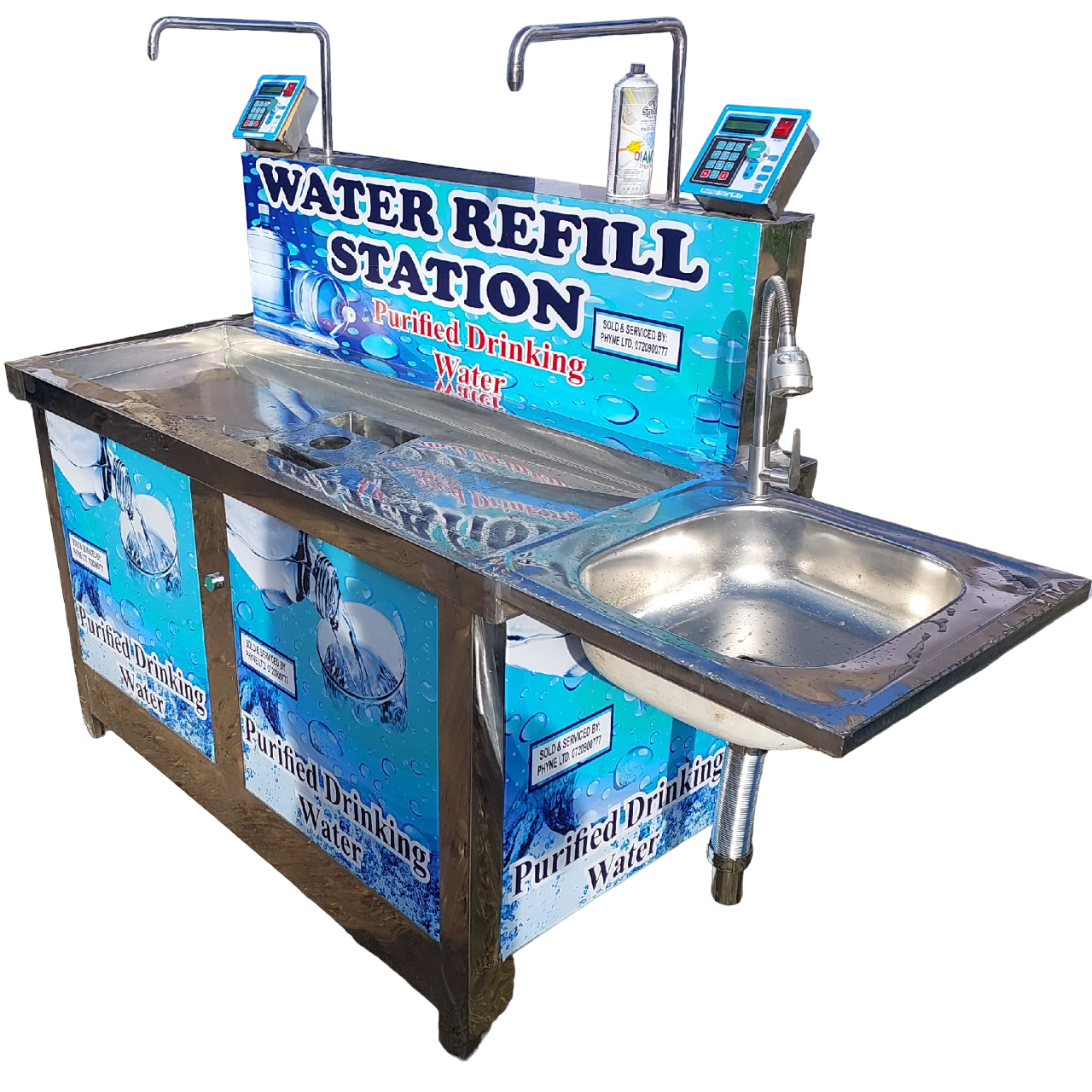
The Best Borehole Water Purifiers in Kenya

The Best Borehole Water Purifiers in Kenya Discovering that the water from your newly sunk borehole is saline can be a major setback, especially when you’ve invested in it for your daily home use. This common issue plagues numerous homeowners across Kenya, leaving them with the daunting task of finding a solution to make their borehole water safe and palatable. Fortunately, the advancement of water purification technology has brought forth a reliable solution to this predicament. In this post we shall be discussing about the best borehole water purifiers in Kenya, the impurities and dangers posed by borehole water purifiers as well as why it is important to purify borehole water. What impurities are found in borehole water? Borehole water, while a valuable resource, can contain various impurities. Here’s a breakdown of some common ones: Biological Impurities: Bacteria: Harmful bacteria like E. coli can be present due to improper well construction or contamination from nearby sources. Viruses: These can be present in groundwater and cause illnesses. Parasites: These can be present and pose health risks if not treated properly. Minerals and Metals: Iron: This can cause the water to have a rusty color or metallic taste. Manganese: Similar to iron, it can stain fixtures and give the water a metallic taste. Fluoride: While beneficial in low amounts, excessive levels can cause dental fluorosis. Arsenic: This naturally occurring toxin can have serious health consequences upon long-term exposure. Chemical Impurities: Nitrates: High levels of nitrates can be harmful to infants and cause “blue baby syndrome.” This can come from agricultural runoff or improper waste disposal. Nitrites: Similar to nitrates, these can be harmful and often indicate other contamination. Volatile Organic Compounds (VOCs): These can come from industrial activities, leaking tanks, or landfills and can have various health effects depending on the specific VOC. Other Impurities: Hardness: Caused by dissolved minerals like calcium and magnesium, it can make water difficult to lather soap and leave scale buildup. Turbidity: This refers to cloudiness caused by suspended particles like clay or silt. It’s important to note that the specific impurities and their levels will vary depending on location, geology, and potential contamination sources. Here are some tips for ensuring the safety of your borehole water: Testing: Regularly test your borehole water for contaminants. Treatment: Depending on the impurities found, treatment options like filtration, reverse osmosis, or disinfection might be necessary. Professional Consultation: For specific recommendations and a proper treatment plan, consult a water quality professional. What are the health dangers posed by impurities in borehole water? Impurities in borehole water can pose several health risks, including: Microorganisms: Bacteria, viruses, and parasites found in contaminated water can cause gastrointestinal illnesses and infections. Consuming water with these microorganisms can lead to symptoms such as diarrhea, vomiting, and cramps. Nitrates and Nitrites: These can enter water from fertilizers, sewage, and animal waste. High levels can cause methemoglobinemia or “blue baby syndrome” in infants, which reduces the blood’s ability to carry oxygen, leading to serious illness or death. Heavy Metals: Arsenic, lead, and other heavy metals can leach into water from various sources, including plumbing and industrial activities. Long-term exposure can result in acute and chronic toxicity, liver, kidney, and intestinal damage, anemia, and cancer. Organic Chemicals: Found in household products and used in agriculture and industry, these chemicals can contaminate groundwater. High levels of organic chemicals may cause damage to the kidneys, liver, circulatory system, nervous system, and reproductive system. It’s important for well owners to regularly test their water and treat it if necessary to prevent these health risks. What are the non-health dangers of impurities in borehole water? Borehole water impurities, while not directly impacting health, can cause various problems in everyday use. Here’s a breakdown of some non-health dangers: Aesthetic Issues: Color: Iron and manganese can cause rusty or brownish water, making it visually unappealing for drinking or washing. Taste: These same minerals, along with high hardness, can give the water a metallic or unpleasant taste. Odor: Certain contaminants like VOCs can impart unpleasant odors to the water. Appliance Damage: Hardness: Hard water can lead to scale buildup in pipes, fixtures, and appliances like water heaters, reducing their efficiency and lifespan. Iron and Manganese: These can stain laundry and plumbing fixtures. Cleaning Challenges: Hardness: Soapy water won’t lather as well in hard water, making it more difficult to clean dishes, hands, and surfaces. Agricultural Issues: High Salinity: In some cases, borehole water might have high salt content which can be detrimental to certain plants and crops. Corrosion: Aggressive Minerals: Certain minerals can be corrosive to pipes and plumbing systems, leading to leaks and potential damage. These non-health dangers can be frustrating and costly to deal with. Regular testing and proper treatment of borehole water can help mitigate these issues and ensure you have clean, clear, and safe water for various household and agricultural uses. Why is it important to purify borehole water? It is important to invest in the best borehole water purifiers in Kenya because there are several benefits to it. Purifying borehole water is crucial for several reasons as discussed below: Health Protection: Treatment removes harmful bacteria, viruses, and other microorganisms, significantly reducing the risk of waterborne diseases. This is especially important for vulnerable populations like children, the elderly, and those with compromised immune systems. Improved Water Quality: Filtration, disinfection, and chemical dosing eliminate suspended particles, sediment, and dissolved impurities, resulting in cleaner, safer water. Prevention of Contamination: Borehole water can be contaminated by the surrounding environment, including pollutants and chemicals from agricultural and industrial activities. Purification ensures that these contaminants are removed before consumption2. Compliance with Standards: Purified water meets health and safety standards, providing peace of mind that the water is fit for consumption and domestic use3. Long-term Sustainability: Proper treatment and management of borehole water can help maintain the aquifer’s health and prevent over-extraction, ensuring a sustainable water supply for the future. By purifying borehole water, you ensure it’s safe for all intended uses, from drinking and cooking to irrigation and industrial processes. Aquatech borehole water purifiers Borehole water purifiers … Read more