
Best Water Vending Station Machines in Kenya and Their Prices
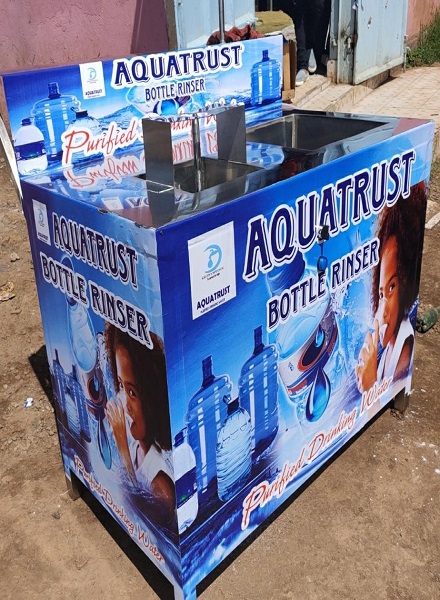
Best Water Vending Station Machines in Kenya and Their Prices Introduction: Are you in the market for a water vending machine? Wondering what are the best water vending station machines in Kenya and their prices? In this comprehensive post, we shall be comparing prices and features of leading water vending machine suppliers including Aquatech Kenya, Phymac Ltd, and Phyne Tech Limited. We shall also discuss essential factors to consider when buying a water vending machine in Kenya, helping you make an informed investment decision. The Growing Water Vending Business in Kenya Access to clean, safe drinking water remains a significant challenge across many parts of Kenya. With increasing urbanization and growing health consciousness among consumers, the demand for purified water has created a lucrative business opportunity through water vending machines. These automated systems provide communities with affordable access to clean water while offering entrepreneurs a sustainable income stream. The water vending industry in Kenya has experienced remarkable growth, driven by factors such as unreliable municipal water supply, increasing awareness of waterborne diseases, and the convenience of automated water dispensing systems. Modern water vending machines offer advanced purification technologies, digital payment systems, and user-friendly interfaces that make them attractive to both business owners and consumers. What to Consider When Buying Water Station Machines in Kenya When purchasing a water vending machine in Kenya, several critical factors will determine your success in this business venture. Understanding these considerations will help you choose the right machine that meets your specific needs and ensures long-term profitability. 1. Water Quality and Purification Systems The foundation of any successful water vending business lies in the quality of water dispensed. Your machine must consistently deliver clean, safe drinking water that meets Kenya Bureau of Standards (KEBS) requirements. Purification System: Look for machines equipped with robust purification systems such as reverse osmosis (RO) or ultrafiltration (UF). These technologies effectively remove contaminants, bacteria, viruses, and dissolved solids from municipal water sources. RO systems are particularly effective in areas with high total dissolved solids (TDS) levels, while UF systems work well for removing bacteria and suspended particles. Stainless Steel Storage Tank: A food-grade stainless steel storage tank is essential for maintaining water quality and preventing contamination. Unlike plastic tanks, stainless steel doesn’t harbor bacteria and is easier to sanitize. The tank should have adequate capacity to meet peak demand periods without compromising water quality. Submerged UV Sterilizer: An integrated UV disinfection system provides an additional layer of protection against harmful microorganisms. The UV lamp should be submerged within the water flow path to ensure maximum contact time and effectiveness. Regular UV lamp replacement is crucial for maintaining disinfection efficacy. 2. Machine Features and Functionality Modern water vending machines come with various features that enhance user experience and business operations. Output Capacity: Consider the machine’s hourly production capacity based on expected demand in your chosen location. High-traffic areas like schools, offices, and residential complexes require machines with higher output rates to minimize customer waiting times. Digital Controls and Display: Advanced digital control systems provide real-time monitoring of water quality parameters, sales data, and system performance. LCD displays show important information such as water quality status, available volume, and payment instructions to customers. Multi-Tap Configuration: Machines with multiple dispensing taps can serve several customers simultaneously, reducing queues and increasing sales volume. Options range from single-tap units suitable for low-traffic areas to 4-tap systems for high-demand locations. M-Pesa Integration: Mobile money payment systems, particularly M-Pesa, have revolutionized transaction convenience in Kenya. Machines with integrated M-Pesa payment allow cashless transactions, reducing security risks and operational complexities associated with cash handling. 3. Cost Analysis and Business Considerations Understanding the total cost of ownership is crucial for business planning and profitability projections. Initial Investment: Factor in the machine purchase price, transportation, installation costs, and any required permits or licenses. Some suppliers offer financing options or lease agreements that can reduce upfront capital requirements. Operating Expenses: Calculate ongoing costs including electricity consumption, water source expenses, consumable replacements (filters, UV lamps), and routine maintenance. Energy-efficient machines can significantly reduce long-term operational costs. Return on Investment: Analyze potential revenue based on local water pricing, expected daily sales volume, and operational costs. Most water vending businesses achieve break-even within 12-18 months with proper location selection and management. Warranty and After-Sales Support: Comprehensive warranty coverage and reliable technical support are essential for minimizing downtime and maintenance costs. Choose suppliers with established service networks and readily available spare parts. 4. Location and Market Dynamics Strategic location selection significantly impacts business success and profitability. High-Traffic Areas: Identify locations with consistent foot traffic and demonstrated demand for clean water. Ideal locations include residential estates, educational institutions, health facilities, commercial centers, and transport hubs. Competition Analysis: Assess existing water sources in the area, including other vending machines, water kiosks, and retail outlets. Ensure sufficient market demand to support your business without oversaturation. Infrastructure Requirements: Ensure adequate electrical supply, secure installation space, and proximity to water sources. Some locations may require three-phase electrical connections for larger machines. Leading Water Vending Machine Suppliers in Kenya Kenya’s water vending machine market features several established suppliers offering various models and price points. Here’s an overview of the top suppliers and their offerings: Aquatech Kenya Aquatech Kenya has established itself as a leading supplier of water purification and water vending solutions. The company emphasizes durability, affordability, and compliance with KEBS standards in their machine designs. Their water vending machines feature advanced purification systems and customizable output settings, allowing business owners to adjust pricing and volume dispensing according to local market conditions. Phymac Ltd Phymac Ltd specializes in comprehensive water vending solutions, offering both equipment and business setup services. The company provides water station ATM systems and refill station equipment designed for various business scales. Their machines are known for robust construction and reliable performance in high-usage environments. Phyne Tech Limited (Phynetech) Phyne Tech Limited offers a range of water vending solutions from entry-level single-tap units to high-capacity multi-tap systems. The company focuses on providing cost-effective solutions for different business … Read more


