
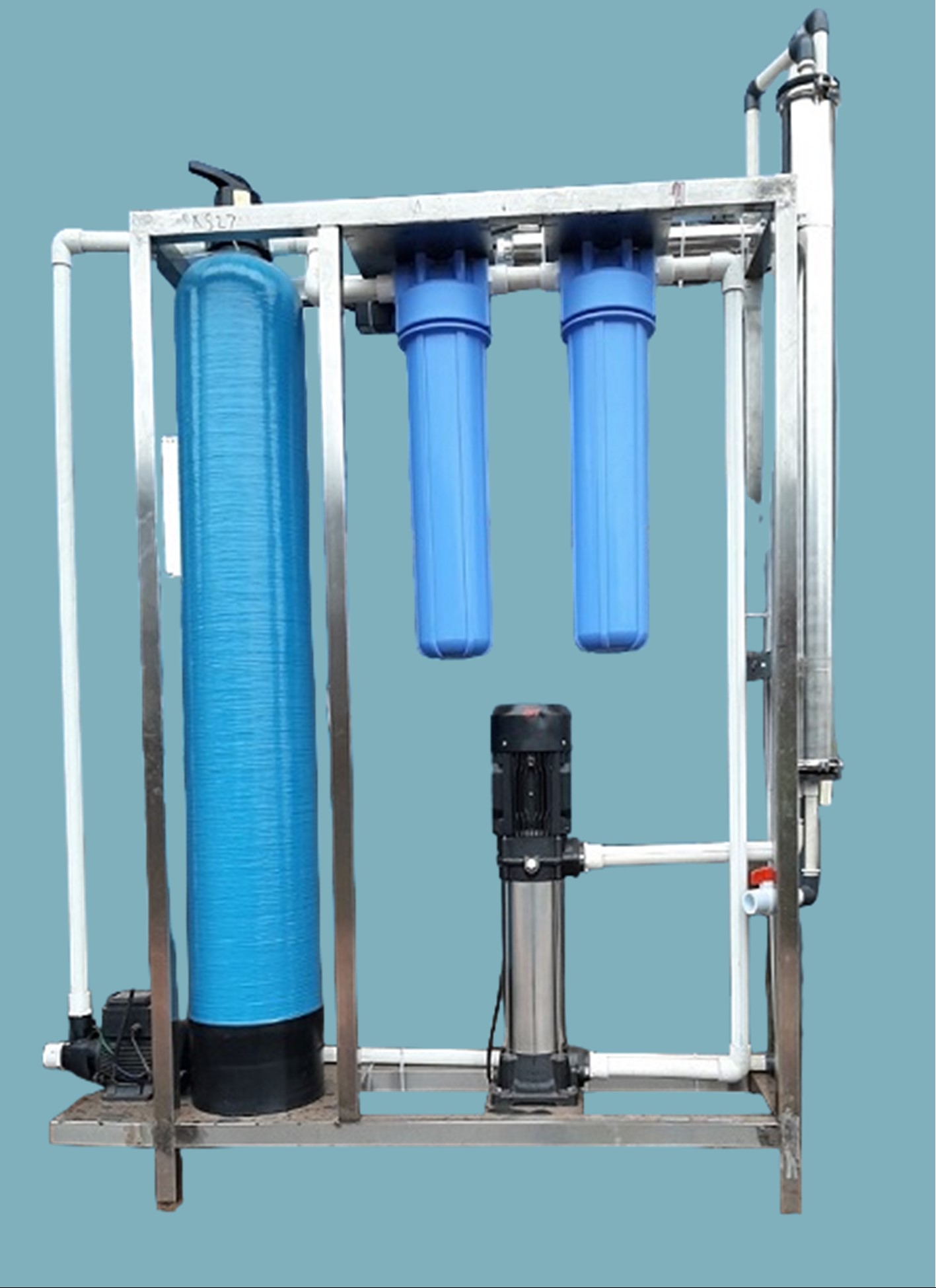
Chemical-Free Water Treatment for Kenyan Institutions: Safe & Sustainable Water Purification Solutions
For schools, hospitals, and corporate campuses in Kenya, providing a constant supply of safe drinking water is a logistical and safety challenge. Traditional methods often rely on manual chlorination, which is prone to human error-leading to either under-treated “unsafe” water or over-chlorinated water with a harsh chemical taste. As institutional leaders look toward modernizing their infrastructure, chemical-free water treatment for Kenyan institutions has emerged as the preferred solution. By utilizing Ultrafiltration (UF) technology, schools and hospitals can provide high-volume, “bottled-water quality” hydration directly from their taps while significantly reducing their environmental footprint.
Investing in sustainable water solutions for schools is more than an infrastructure upgrade; it is a commitment to the well-being of the next generation. By removing chemicals from the equation and relying on advanced membrane science, Kenyan institutions can lead the way in environmental stewardship while providing the safest water possible.
Also Read: The Best Water Purification for High-Rise Apartments in Kenya
Key Takeaways for Institutional Leaders

- Pathogen Elimination: UF technology provides a physical 0.01-micron barrier that removes 99.9% of bacteria, viruses, and parasites without the need for toxic chemicals.
- Consistency at Scale: Unlike manual dosing, which fluctuates based on staff performance, a UF system offers constant protection regardless of raw water quality changes.
- Sustainable Operations: UF is a “green” technology that produces zero wastewater and consumes very little energy-essential for institutions aiming for LEED or environmental certification.
- Cost Efficiency: By eliminating the recurring purchase of bulk chlorine and reducing waterborne absenteeism (in schools) or infection rates (in hospitals), the system pays for itself in under 18 months.
- Compliance Ready: These systems are engineered to meet and exceed KEBS (KS ISO 10500:2012) standards for institutional drinking water.
The Challenge: Why Traditional Chlorination is Failing Schools & Hospitals
 In many Kenyan institutions, water is pumped from a borehole or city line into a large reservoir and “dosed” with chlorine. However, this method has three fatal flaws:
- The Risk of Human Error
Manual dosing requires precise calculations based on the tank volume and current water turbidity. Too little chlorine leaves students at risk of Typhoid and Cholera; too much can cause skin irritation and long-term health issues. - Resistance to Chemicals
Certain modern pathogens, such as Cryptosporidium and Giardia (common in Kenyan surface water), have developed thick outer shells that make them highly resistant to standard chlorine levels. - The Taste Barrier
Students and patients often dislike the “swimming pool” taste of heavily chlorinated water. This leads them to seek alternative, potentially unsafe sources, or results in poor hydration levels which affect concentration and recovery.
Also Read: the best reverse osmosis water purifier alternative for small water businesses
How Hollow Fiber Technology Revolutionizes Institutional Safety
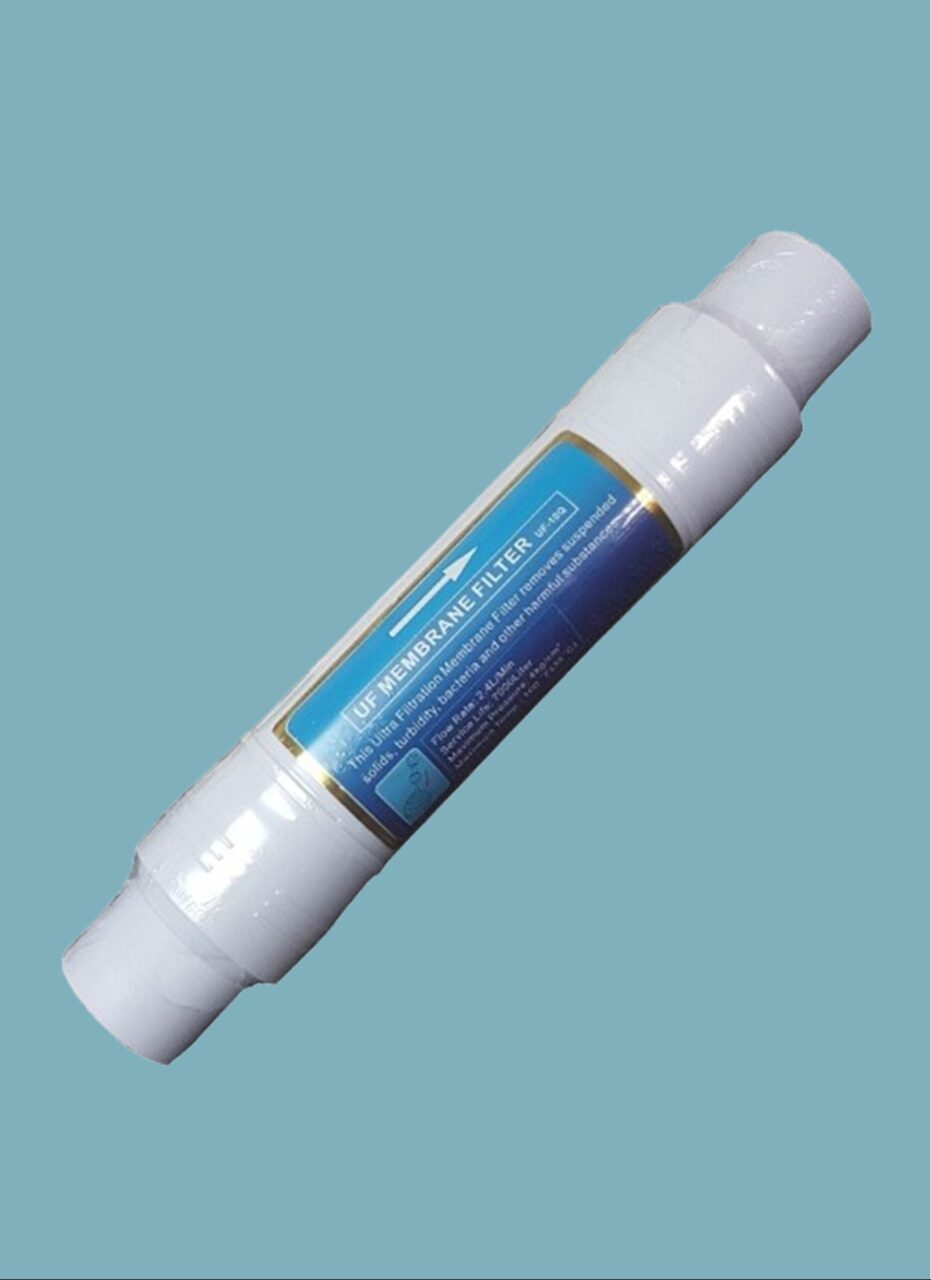 The “secret” behind chemical-free water treatment for Kenyan institutions lies in the hollow fiber membrane. Imagine thousands of microscopic “straws” bundled together. As water is pushed through the walls of these straws, only pure water molecules and natural minerals can pass through.
Benefits of the Physical Barrier
- Absolute Filtration: If a pathogen is larger than 0.01 microns, it cannot pass. There is no “luck” involved—it is a physical impossibility for the bacteria to reach the clean water side.
- Turbidity Removal: During the rainy season, Kenyan water often turns “cloudy.” UF removes this suspended silt perfectly, ensuring water is always crystal clear.
- Mineral Preservation: For growing children in schools, the retention of natural Calcium and Magnesium is vital for bone development—something that Reverse Osmosis (RO) systems strip away.
Chemical-Free Water Treatment for Kenyan Institutions
Case Study: UF vs. Traditional Methods in a 500-Student School
| Feature | Traditional Chlorination | Axiom UF System |
| Annual Chemical Cost | Ksh 45,000+ | Ksh 0 |
| Maintenance Need | Daily Dosing | Monthly Check-up |
| Waterborne Illness Rates | Occasional Outbreaks | Zero Incidents |
| Electricity Requirement | None (Gravity) | None (Uses Building Pressure) |
| Staff Training Required | High (Safety Risks) | Low (Simple On/Off) |
Meeting KEBS Standards: The Professional Advantage
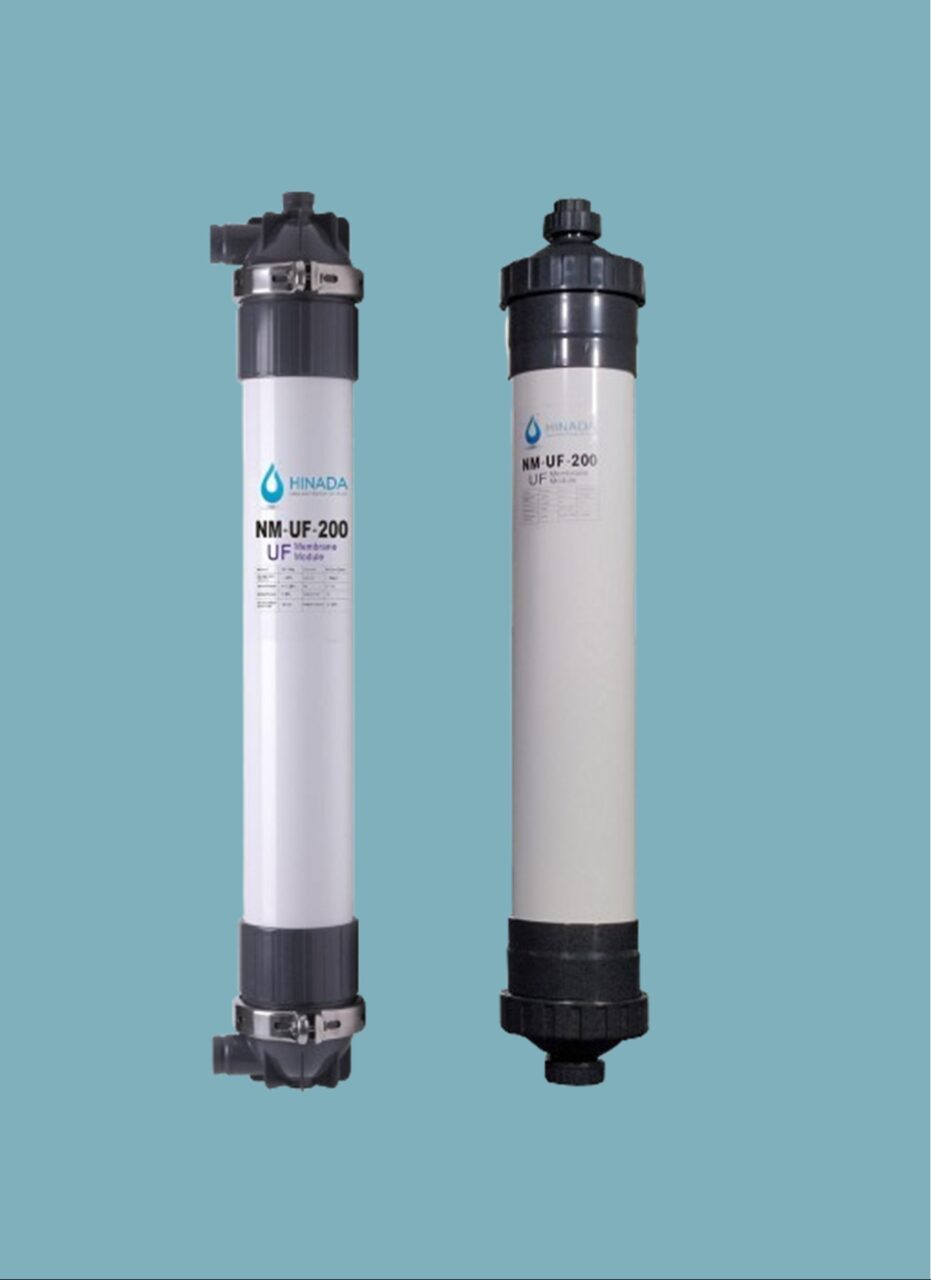 For any public institution, compliance is non-negotiable. Our heavy-duty municipal water treatment systems are designed to ensure your facility remains in the “Green Zone” during health inspections.
Key Compliance Markers
- Total Coliforms: 0 per 100ml.
- E. coli: 0 per 100ml.
- Turbidity: Less than 5 NTU.
By installing a centralized UF plant, a hospital or school can automate its safety. The system includes an “Auto-Flush” feature that periodically cleans the membranes, ensuring that sediment never builds up to a point where it compromises water quality.
Also Read: The Best Drinking Water Treatment Machines in Kenya (Guide)
Summary: Chemical-Free Water Treatment for Kenyan Institutions
Engineering Health for Kenyan Institutions
In large-scale institutional settings, ranging from boarding schools in Kiambu to busy referral hospitals in Nairobi, water safety is a primary operational risk. Traditional treatment methods in these facilities have historically relied on manual chlorine dosing in large storage reservoirs. However, this “analog” approach is increasingly insufficient in the face of modern challenges.
Manual dosing is notoriously inconsistent, often resulting in water that is either under-treated (leaving students and patients vulnerable to waterborne outbreaks) or over-treated with a harsh chemical taste that discourages hydration. For an institution, a single contaminated tank can lead to a localized epidemic, causing massive absenteeism, legal liability, and a breakdown in essential services.
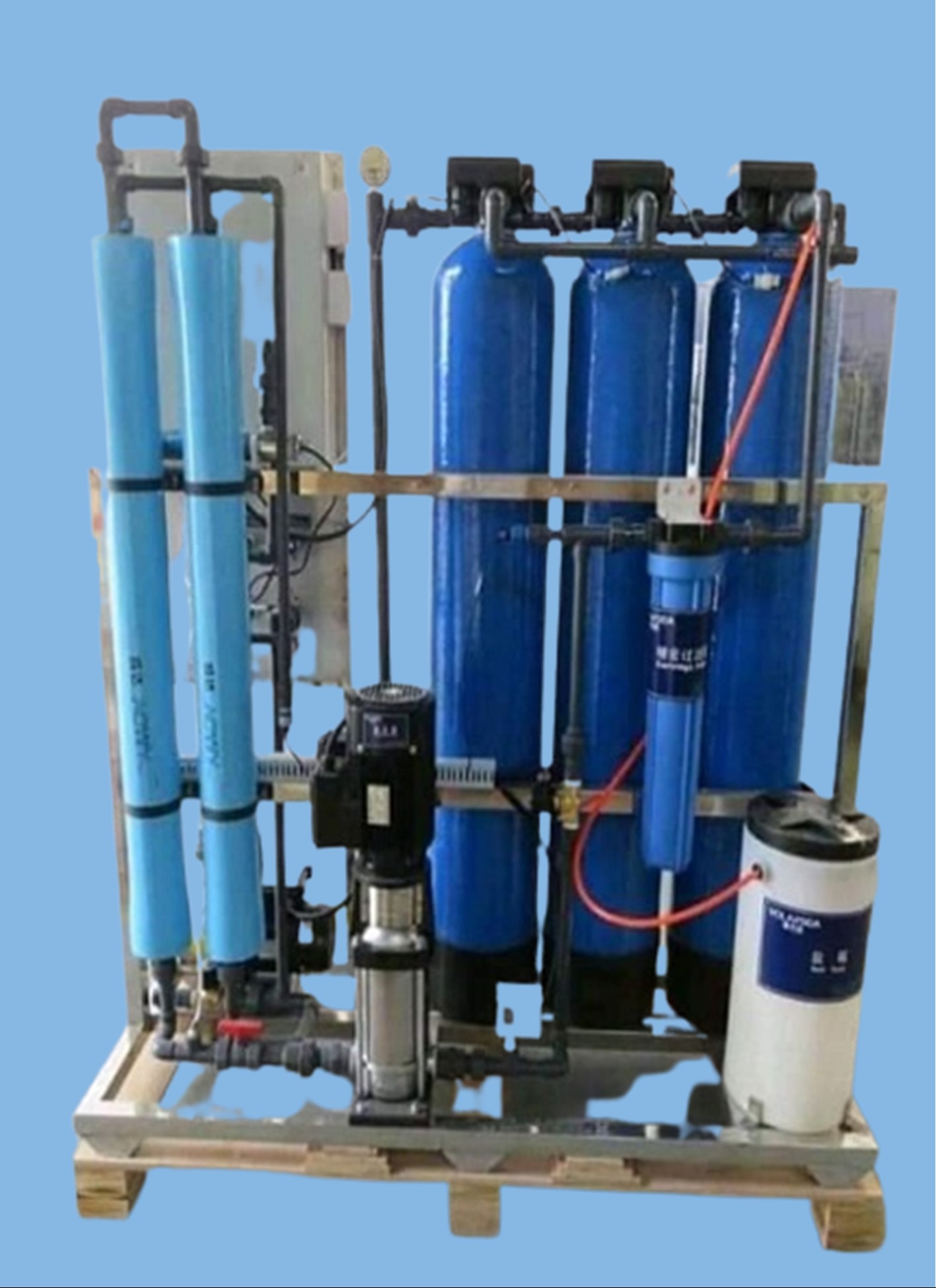 The transition to chemical-free water treatment through Ultrafiltration (UF) represents a shift from “reactive” to “proactive” health management. By installing a centralized UF plant, an institution creates an absolute physical barrier against pathogens. Unlike chemicals, which require contact time and specific pH levels to be effective, the 0.01-micron hollow-fiber membrane works instantly and mechanically.
It blocks 99.9% of bacteria, viruses, and chlorine-resistant cysts like Cryptosporidium, pathogens that are increasingly common in Kenyan surface and borehole water. This ensures that every tap in the facility, from the kitchen to the clinic, delivers water that meets and exceeds KEBS (KS ISO 10500:2012) and WHO standards without the use of potentially harmful additives.
Beyond biological safety, the adoption of UF technology aligns with the growing global mandate for institutional sustainability. Because UF systems are pressure-driven and highly efficient, they produce zero wastewater and consume significantly less energy than Reverse Osmosis (RO) alternatives. This “green” profile reduces the facility’s environmental footprint and lowers long-term operational costs by eliminating the recurring expense of bulk chemicals and reducing the frequency of plumbing repairs caused by sediment buildup.
For institutional leaders, investing in a robust UF system is not just an infrastructure upgrade; it is a commitment to a “Culture of Care” providing a safe, mineral-rich, and sustainable foundation for learning and healing.
Buy a top quality water treatment system from Aquatech today
Aquatech is the best supplier of high quality water treatment systems in Kenya. Contact us today to place your order if you need one. We supply and deliver to all parts of Kenya.
Our Contact Details:
FAQs: Chemical-Free Water Treatment for Kenyan Institutions
- Is UF effective against Amoeba and Cysts?
Amoeba and cysts are significantly larger than the 0.01-micron pores of the UF membrane, making this technology the most effective way to prevent amoebic dysentery in communal settings. - Can the system handle very “muddy” water during the rainy season?
Yes, but for institutions, we always install a “Multi-Media Pre-filter” before the UF unit. This removes the heavy mud and sand, allowing the UF membrane to focus on the microscopic pathogens. - How much space does a 2,000-liter-per-hour system take?
Our institutional UF plants are remarkably compact. A system capable of serving a medium-sized hospital typically fits within a 2m x 1m floor space. - Does it remove Fluoride?
Like all UF systems, it does not remove dissolved minerals like fluoride. If your institution is in a high-fluoride area (like parts of Nakuru or Naivasha), we can integrate a specialized fluoride removal module. - What happens during a power outage?
Unlike RO systems that require high-pressure electric pumps, a UF system can often continue to run on the natural gravity pressure from your high-level storage tanks, ensuring the taps never run dry.