Reverse Osmosis Water Purification Machine Prices In Kenya

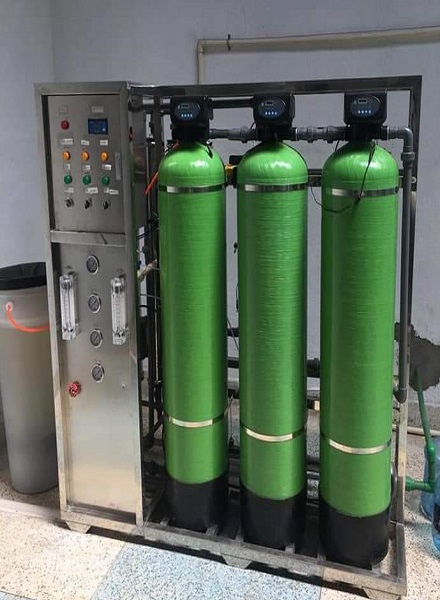
Reverse Osmosis Water Purification Machine Prices In Kenya Introduction: Are you trying to find a trustworthy and efficient solution to clean your water? Do you wish to have access to clean, safe water for cooking, drinking, and/or business usage like dialysis, medicine manufacture, beverage manufacturing, water bottling, and water replenishment, among other things? If so, you ought to think about purchasing a reverse osmosis water purifier. Water is purified using the reverse osmosis (RO) procedure, which involves passing the water through a semi-permeable membrane. Up to 99% of dissolved solids, bacteria, viruses, and other contaminants can be eliminated from water with RO systems. We’ll provide our reverse osmosis water purification machine prices in Kenya shillings in this post. We will also talk about the factors that influence a RO system’s cost. And where may one purchase a reasonably priced, high-quality RO system. We will address all of these queries and more in this blog post. We will discuss the costs associated with purchasing a reverse osmosis water filtration system in Kenyan Shillings as well as the prices. We will also go over some things to think about when purchasing a reverse osmosis system. What are reverse osmosis water purifiers? Reverse osmosis (RO) systems are highly effective at purifying water, acting like microscopic filtration machines. They make use of a semi-permeable membrane that keeps out a variety of pollutants while allowing water molecules to flow through. Up to 99% of dissolved solids, bacteria, viruses, and other contaminants can be eliminated from your water supply by using this cutting-edge technology. Here’s a detailed explanation of what can be eliminated by RO systems: Solids Dissolved: These include metals, minerals, and salts that can impart a metallic flavour or hardness to water. These are greatly reduced by RO filtration, resulting in water that tastes softer and cleaner. Viruses and Bacteria: These tiny organisms have the potential to seriously harm people’s health. What is the difference between bacteria and viruses? Bacteria are single-celled living organisms, microscopic in size, that exist in a vast array – millions of different types have been identified! They are found almost everywhere on Earth, from the deepest oceans to the highest mountains, and even inside other living organisms like us humans. Viruses on the other hand are microscopic organisms that are considerably smaller than bacteria and some of the tiniest living things. Because they have to enter and remain inside a host cell in order to reproduce, they are frequently referred to as obligatory intracellular parasites. In contrast to bacteria, which are single-celled creatures with the ability to grow on their own, viruses are devoid of the machinery needed for autonomous replication. By successfully eliminating them from your water supply, RO systems guarantee that the water you drink is safe to drink. Chemical Contaminants: Pesticides, herbicides, and pharmaceuticals are examples of developing contaminants that many RO systems may remove from your water source in trace amounts. Acids and Alkaloids: These disinfectants are frequently employed in the treatment of municipal water. Although they guarantee security, they may leave an unpleasant aftertaste or smell. Chlorine and chloramines can be greatly reduced or eliminated using RO systems, making drinking water more enjoyable. RO systems eliminate these contaminants, which improves the taste, lowers health concerns, and improves the general quality of the water for drinking, cooking, and using appliances. Factors That Determine Cost of Reverse Osmosis Water Purification Systems Investing in a reverse osmosis (RO) water filtration system is a decision influenced by a variety of factors, all of which can affect the ultimate cost. Here’s a deeper look at what determines the price of a RO system: Water Quality: The quantity of contamination in your water supply has a direct bearing on the complexity required for a RO system. For example, borehole water frequently has a high proportion of total dissolved solids (TDS), needing a more advanced RO system. To accomplish complete purification, such systems require many filtration stages as well as powerful pressure mechanisms. In contrast, municipal tap water often has lower TDS levels, allowing for a more efficient RO system with fewer filtration stages and lower pressure requirements. System Output Capacity: The amount of purified water that a RO system can produce per hour is a key component in determining its cost. The output capacity, measured in litres per hour (L/h), provides a direct indication of the system’s efficiency. A system designed to produce 50 L/h may cost around Ksh 30,000, whilst one capable of producing 500 L/h may cost around Ksh 300,000. Features & Components: The components and features integrated into a RO system play an important influence in its performance and lifetime, influencing the cost in the following ways: Pre- and post-filters: These filters, placed before and after the RO membrane, are critical for eliminating sediments, chlorine, and other pollutants that could harm the membrane or affect the taste and smell of the water. The Booster Pump increases water pressure, improving the flow and quality of water travelling through the RO membrane. The storage tank holds cleansed water until it is used. The tank’s size and construction material are factors that influence the system’s costs. The faucet’s design and quality can impact the cost of the filtered water system. UV Lamp: This optional feature uses ultraviolet light to eliminate bacteria and viruses in water, increasing the system’s value. Understanding these aspects allows consumers to make informed decisions when choosing a RO water purification system that suits their individual requirements and budget. The appropriate system not only offers clean and safe water, but it is also a sound long-term investment in health and well-being. Factors to consider when purchasing a reverse osmosis water purifier: Before purchasing a reverse osmosis water purifier, consider the following: Consider your budget: How much money do you have? What can you afford? Sometimes you have to pay a bit more for a better machine. You should evaluate the prices of various RO systems and consider the features they offer. You should also check for discounts and promotions from trusted vendors. Water … Read more