
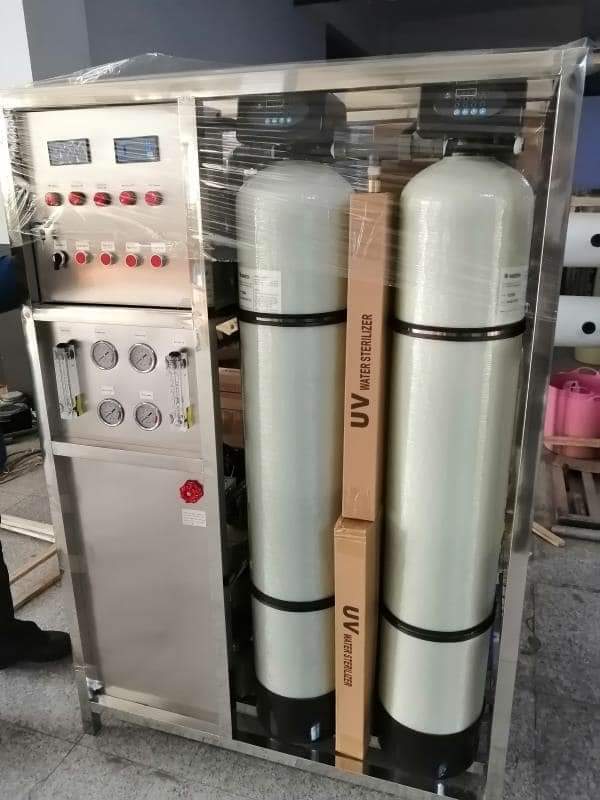
What Should I Consider When Investing in a Commercial RO System in Kenya
Investing in a commercial reverse osmosis system is a significant step for any business in Kenya. Whether you run a water bottling plant, a hotel, or a manufacturing facility, water quality directly impacts your bottom line. Commercial reverse osmosis technology, commonly known as a commercial RO system, provides an efficient way to purify water. However, choosing the wrong system can lead to high operating costs, frequent breakdowns, and regulatory fines.
Navigating the local market requires an understanding of specific technical parameters and environmental challenges. From varying borehole salinity levels to strict local compliance standards, several variables require careful planning. We have compiled this comprehensive guide to help you make an informed investment. This article outlines the essential technical, financial, and regulatory factors you must evaluate before purchasing your equipment.
1. Feed Water Quality and Comprehensive Lab Analysis
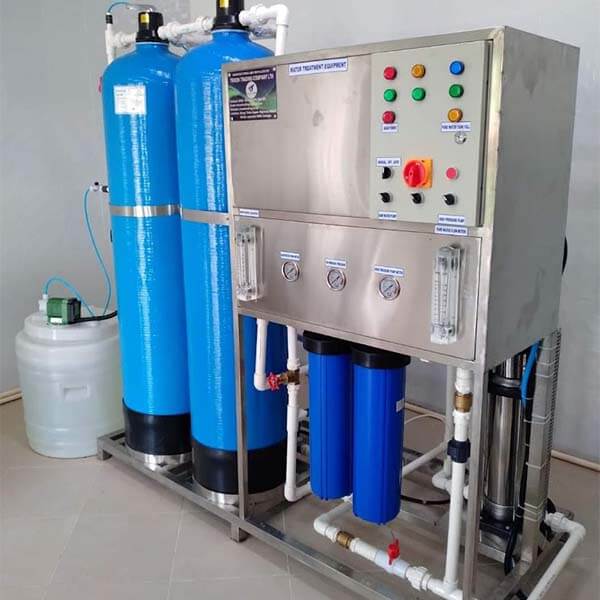 You must never purchase a commercial RO system without a detailed chemical analysis of your source water. In Kenya, water characteristics vary dramatically depending on the location and the extraction method. Municipal water from local water companies differs significantly from underground borehole water. Borehole water across the country often contains complex mineral profiles that can rapidly destroy unprotected reverse osmosis membranes.
We highly recommend taking water samples to an accredited laboratory before reviewing equipment options. Testing should verify several parameters that dictate your pre-treatment setup and membrane selection.
Key Water Parameters to Test
- Total Dissolved Solids (TDS): This measures the combined inorganic salts dissolved in water. High TDS levels require heavy-duty high-pressure pumps and specialized brackish water membranes.
- Water Hardness: This refers to the concentration of calcium and magnesium ions. Hard water causes severe mineral scaling on membrane surfaces, reducing system efficiency.
- Iron and Manganese: These elements are common in Kenyan boreholes. When exposed to oxygen, they oxidize and form sticky deposits that clog membrane pores.
- Microbiological Contaminants: The presence of coliform bacteria or E. coli dictates the required intensity of your post-purification sterilization.
| Location in Kenya | Common Water Quality Profile | Primary Pre-treatment Requirement |
| Nairobi Rift Valley (e.g., Nakuru, Naivasha) | Exceptionally high fluoride levels, high alkalinity | Specialized fluoride reduction filters, pH correction |
| Coast Region (e.g., Mombasa, Kilifi) | High salinity, extreme TDS, high chloride ions | Seawater desalination membranes, anti-scalant dosing |
| Nairobi Basin (e.g., Syokimau, Kitengela) | Moderate to high TDS, severe water hardness, high iron | Commercial water softeners, iron removal filters |
| Lake Victoria Basin (e.g., Kisumu) | High turbidity, suspended solids, organic matter | Sand filters, coagulant dosing, ultrafiltration (UF) |
2. Pre-Treatment Systems and Membrane Protection
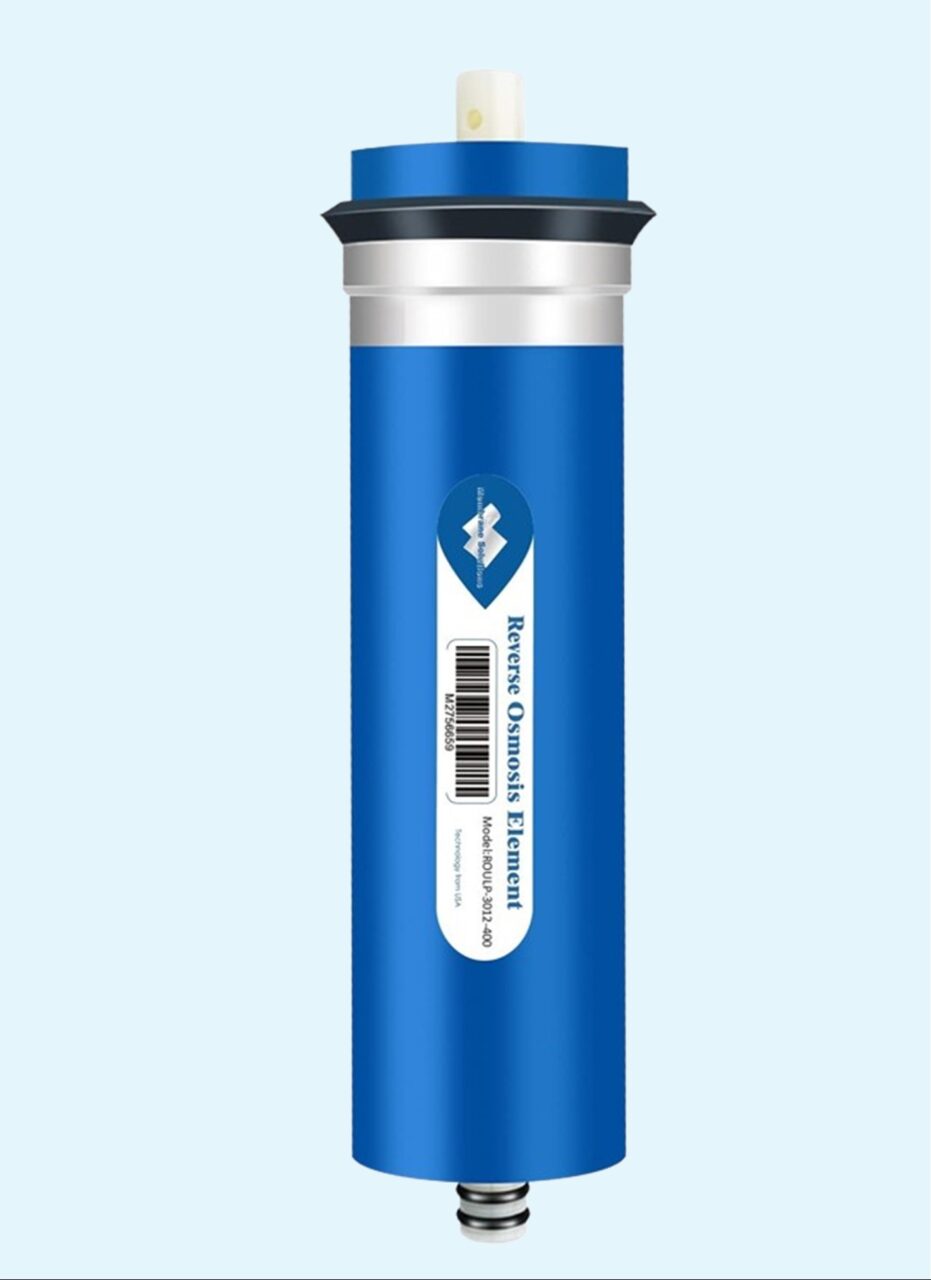 A reverse osmosis membrane is highly sensitive to fouling, scaling, and chemical degradation. Fouling occurs when suspended solids or organic matter accumulate on the membrane surface. Scaling happens when dissolved minerals precipitate out of the water and form a hard crust. To prevent these issues, your commercial RO system must include a robust pre-treatment train.
[Raw Water Source] ➔ [Sediment/Sand Filter] ➔ [Carbon Filter] ➔ [Water Softener/Anti-scalant] ➔ [5-Micron Cartridge] ➔ [High-Pressure Pump] ➔ [RO Membranes]
Investing in high-quality pre-treatment components extends the lifespan of your core RO elements from months to years. Skipping these stages to save on initial capital expenditure will inevitably increase your operational costs.
Essential Pre-Treatment Components
- Multimedia Sand Filters: These pressure vessels remove large suspended solids, silt, and sand particles down to approximately 20 microns.
- Activated Carbon Filters: These filters remove chlorine, organic compounds, unpleasant tastes, and odours. Chlorine must be eliminated completely because it permanently degrades thin-film composite RO membranes.
- Water Softeners or Anti-Scalant Dosing Units: Water softeners swap calcium and magnesium ions for sodium ions using ion-exchange resin. Alternatively, anti-scalant dosing pumps inject specialized chemicals to prevent mineral crystals from binding to the membrane.
- Micro Sediment Cartridge Filters: Positioned immediately before the high-pressure pump, these 1-micron to 5-micron filters act as a final mechanical barrier.
3. Regulatory Compliance and Kenyan Drinking Water Standards
Operating a commercial water business or food processing plant in Kenya requires strict adherence to statutory regulations. Producing purified water without the correct certifications can lead to immediate closure by government authorities. Your commercial RO system must be technically capable of producing water that matches local quality benchmarks.
The primary regulatory body is the Kenya Bureau of Standards (KEBS). Any water intended for public consumption or commercial packaging must comply with the EAS 12 standard for potable water. This standard sets strict limits on chemical concentrations and demands zero microbial activity.
Raw Borehole Water ➔ RO Purification ➔ UV + Ozone Sterilization ➔ KEBS Certified Drinking Water
Critical Regulatory Requirements
- Microbiological Sterilization: KEBS guidelines require absolute destruction of pathogenetic bacteria. Your system layout must include a final Ultraviolet (UV) sterilizer and an ozone generator. Ozone provides residual disinfection, keeping water sterile inside storage tanks and bottles.
- Water Resources Authority (WRA): If your source is a borehole, you must hold a valid WRA abstraction permit. This permit regulates the volume of underground water you can legally pump daily.
- National Environment Management Authority (NEMA): RO systems generate concentrated wastewater known as brine or reject water. NEMA regulates how commercial entities discharge this high-salinity effluent into public sewers or environment environments.
4. System Capacity, Recovery Rates, and Sizing Strategy
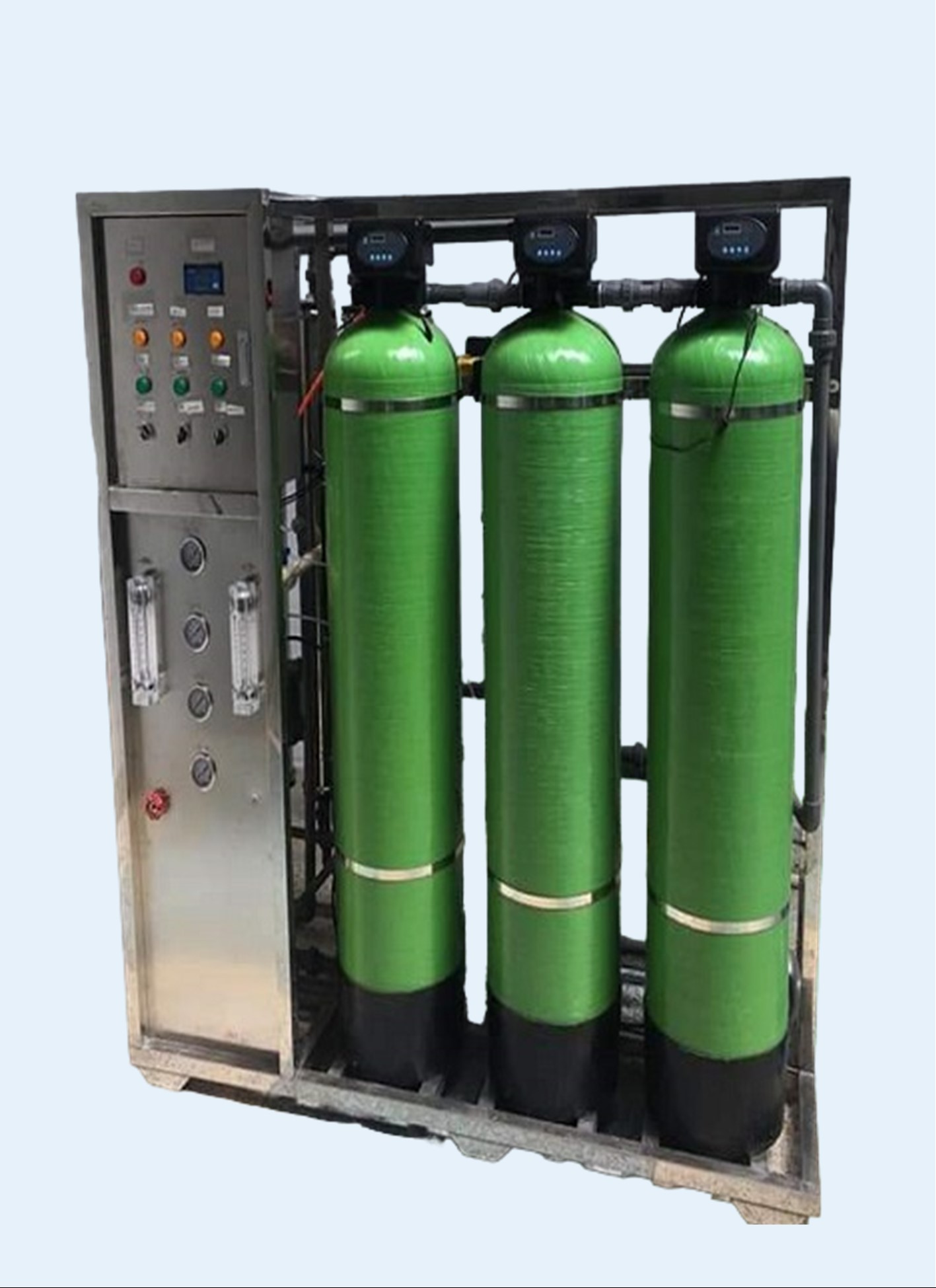 Sizing a commercial RO system requires balancing your daily volume demands with the physical capabilities of the equipment. System output is generally measured in Litres Per Hour (LPH) or Litres Per Day (LPD). You should calculate your peak water demand rather than your average daily use.
Peak Hourly Water Demand x 1.25 Safety Margin = Target Commercial RO System LPH Rating
Choosing a system that is too small forces the equipment to run continuously for 24 hours, accelerating mechanical wear. Conversely, an oversized system leads to high capital expenditure and unnecessary power consumption during idling phases.
Understanding Recovery Rates and Waste Water
Every reverse osmosis system splits the incoming feed water into two streams: permeate (purified water) and concentrate (reject water). The recovery rate is the percentage of feed water that becomes purified water.
Standard commercial RO systems in Kenya operate at recovery rates between 40% and 60%. This means that for every 1,000 litres of raw water pumped, 400 to 600 litres become pure water, while the rest is discharged as waste. High-TDS water sources require lower recovery rates to prevent minerals from precipitating and scaling the membranes. You must factor in this water loss when calculating your raw water extraction costs and municipal supply requirements.
5. Ongoing Operational Costs and Maintenance Schedules
The initial purchase price of a commercial RO system represents only a portion of its lifetime cost. Operational expenses dictate your long-term profit margins and the feasibility of your business model. You must evaluate the ongoing costs of electricity, consumable parts, and specialized chemicals before finalizing your purchase.
Power consumption is a major variable. Reverse osmosis relies on high-pressure multi-stage centrifugal pumps to overcome natural osmotic pressure. These pumps run constantly during the purification cycle. Choosing an energy-efficient system with high-quality Italian or German pumps can significantly reduce your monthly electricity bills.
Scheduled Maintenance Matrix
| Component | Function | Average Maintenance Interval | Impact of Neglect |
| Sediment PP Cartridges | Traps fine suspended particles | Every 1 to 3 months | Drops inlet pressure, strains the high-pressure pump |
| Granular Carbon Media | Adsorbs chlorine and organics | Every 6 to 12 months | Allows chlorine breakthrough, destroying RO membranes |
| Anti-scalant Chemical | Prevents crystal scale formation | Continuous dosing replenishment | Rapid membrane scaling, permanent drop in flow rate |
| RO Membranes | Core molecular filtration | Every 1 to 3 years (site dependent) | Complete loss of water purity, elevated system TDS |
| UV Lamp Elements | Neutralizes bacteria and viruses | Every 8,000 to 9,000 running hours | Bacterial contamination, failure to meet KEBS metrics |
6. Supplier Support, Component Engineering, and Local Spare Parts
 Technical downtime can disrupt your business operations and lead to financial losses. If a critical booster pump, digital flow meter, or pressure switch fails, your entire production line stops. Therefore, local technical support and spare part availability are crucial factors when selecting a supplier.
Avoid importing generic, unbranded RO systems directly from overseas markets without local representation. These systems often feature non-standard fittings, unsealed electronic control panels, and unverified membrane housings. If an issue occurs, finding replacement components locally can be exceptionally difficult.
We recommend partnering with established Kenyan water engineering firms that maintain a full inventory of replacement components. Ensure your chosen vendor provides a comprehensive mechanical warranty and employs qualified field technicians. A reliable partner will offer prompt on-site calibration, membrane chemical cleaning (CIP), and routine system auditing.
Frequently Asked Questions
- What is the typical lifespan of a commercial RO membrane in Kenya?
With a properly designed pre-treatment system, a high-quality commercial RO membrane lasts between 18 and 36 months. However, if the feed water contains unmanaged iron, high hardness, or chlorine, membranes can fail within less than six months. - Can I use the reject water from my commercial RO system for other purposes?
Yes, you can recycle RO reject water for non-potable applications depending on its final salinity level. Common uses include flushing toilets, cleaning floors, washing delivery vehicles, or irrigating salt-tolerant lawns. It should not be used for drinking, cooking, or sensitive agricultural irrigation. - What is the difference between a brackish water RO system and a seawater RO system?
Brackish water systems are designed for water sources with a TDS between 1,000 ppm and 10,000 ppm, which is typical for most Kenyan boreholes. Seawater systems are heavy-duty units built to handle TDS levels above 35,000 ppm. They operate at much higher pressures to desalinate ocean water along the coastal strip. - How often should I test my purified water to maintain KEBS compliance?
For commercial bottling operations, we recommend conducting internal daily checks for basic parameters like pH and TDS. Complete microbiological and chemical laboratory analyses should be performed quarterly or bi-annually through accredited testing facilities to maintain your KEBS standardization mark.
Invest in Market-Leading Water Purification Solutions
Achieving consistent water purity requires engineered reliability, robust pre-treatment, and expert local support. At Aquatech, we design, build, and install high-performance commercial RO systems tailored specifically to handle the unique challenges of Kenyan source water. Our systems feature premium energy-efficient pumps, robust instrumentation, and advanced filtration media to deliver maximum recovery rates with minimal downtime.
Whether you are launching a new commercial water enterprise or upgrading an industrial process facility, our engineering team is ready to assist. We provide complete water testing, system sizing, KEBS compliance layout design, and dependable after-sales maintenance support across Kenya. Contact our technical team today to discuss your project requirements and receive a detailed, site-specific quotation.
- Phone Enquiries: 0720900777 | 0707419100
- Email Support: info@aquatech.co.ke
- Head Office & Showroom: Thika Road Exit 11, Immediately After Eastern Bypass, Before Shell Petrol Station, Kihunguro.
- Business Hours: Monday to Friday: 7:30 AM to 6:30 PM.
References:
- Organisation: Kenya Bureau of Standards (KEBS)
Article Title: EAS 12: East African Standard for Potable Water Specification
Publisher: KEBS Official Standards Portal
URL: https://www.kebs.org/wp-content/uploads/2024/06/DKS-2455_2024-Food-Safety_-General-Standard.docx - Organisation: Water Resources Authority (WRA)
Article Title: Water Resources Regulations and Abstraction Permitting Guidelines
Publisher: Ministry of Water, Sanitation and Irrigation, Government of Kenya
URL: URL: https://www.wra.go.ke/wp-content/uploads/2022/10/Water-Resources-Regulations-2021.pdf - Organisation: National Environment Management Authority (NEMA)
Article Title: Environmental Management and Co-ordination (Water Quality) Regulations
Publisher: NEMA Kenya Regulatory Repository
URL: https://nema.go.ke/wp-content/uploads/2024/09/Draft-Air-Quality_Regulations-2022.pdf (Note: Located within NEMA’s official compiled standards portal architecture covering baseline quality values). - Organisation: World Health Organization (WHO)
Article Title: Guidelines for Drinking-water Quality: Fourth Edition
Publisher: WHO Guidelines Library
URL: https://cdn.who.int/media/docs/default-source/wash-documents/water-safety-and-quality/dwq-guidelines-4/gdwq4-with-add1-title.pdf - Organisation: American Water Works Association (AWWA)
Article Title: Reverse Osmosis and Nanofiltration: Manual of Water Supply Practices, M46
Publisher: AWWA Technical Publications
URL: https://www.awwa.org/Store/Product-Details/productId/61226501
- Meta Description: Planning to invest in a commercial RO system in Kenya? Discover key considerations like feed water quality, KEBS standards, costs, and RO technologies.