
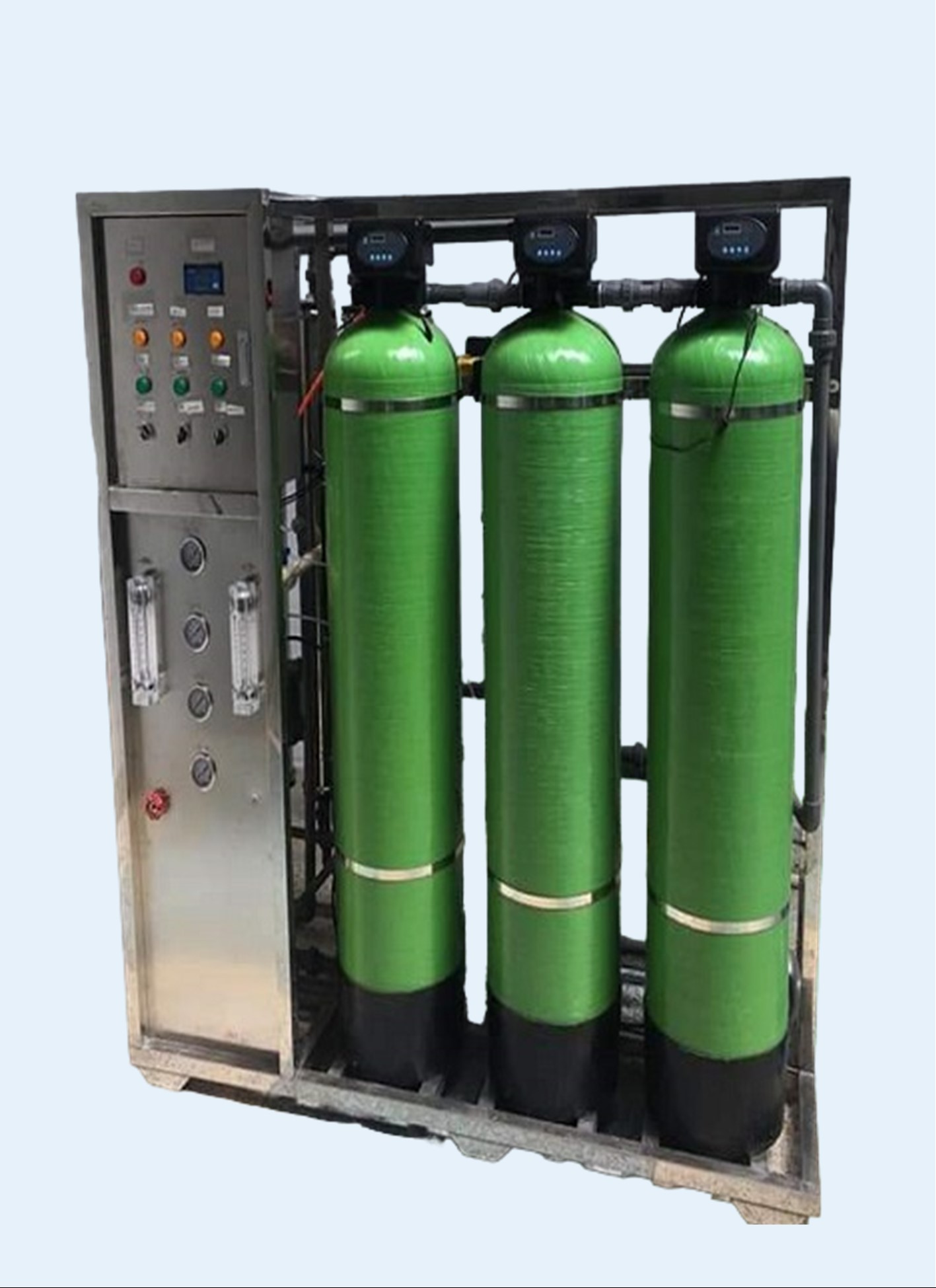
A Complete Technical Guide on How Reverse Osmosis Water Purifiers Work: Understanding Reverse Osmosis Water Filtration
What Is Reverse Osmosis and How Does It Purify Your Water?
Ever wondered how reverse osmosis water purifiers work? This post is for you. Reverse osmosis (RO) water filtration represents one of the most advanced home water purification technologies available today. This sophisticated multi-stage filtration process delivers laboratory-grade water quality directly to your kitchen faucet, removing up to 98% of total dissolved solids (TDS) and contaminants that standard filters cannot eliminate.
The reverse osmosis process works by forcing pressurized water through an ultra-fine semipermeable membrane with pores measuring just 0.0001 microns—approximately one-millionth the width of a human hair. Before reaching this critical membrane stage, water undergoes prefiltration to remove sediment and chlorine that could compromise membrane integrity. After membrane filtration, a final polishing stage ensures optimal water quality before the purified water reaches your dedicated RO faucet.
How Reverse Osmosis Water Purifiers Work: The Multi-Stage Reverse Osmosis Filtration Process Explained
Stage-by-Stage Water Purification
 Modern reverse osmosis systems employ three to five distinct filtration stages, each engineered to target specific contaminant categories. Below are the five stages explaining how reverse osmosis water purifiers work:
- Stage 1: Sediment Prefiltration The initial sediment filter captures particulate matter including dirt, rust, silt, and suspended solids down to 5 microns. This prefiltration stage protects downstream components from physical damage and prevents premature membrane fouling.
- Stage 2: Carbon Prefiltration Activated carbon filtration removes chlorine, volatile organic compounds (VOCs), and chemical contaminants that affect taste and odor. This stage is critical because chlorine can degrade the polyamide RO membrane, significantly reducing system lifespan.
- Stage 3: RO Membrane Filtration The semipermeable thin-film composite (TFC) membrane performs the primary purification function, rejecting dissolved inorganic salts, heavy metals, and microscopic contaminants. Operating at typical household water pressure (40-80 PSI), the membrane allows only water molecules to pass while rejecting up to 98% of TDS.
- Stage 4: Storage Tank Holding Purified water collects in a pressurized storage tank, typically holding 2-4 gallons. Since RO systems produce water slowly (2-3 ounces per minute), the storage tank ensures immediate availability when you open the faucet.
- Stage 5: Post-Filtration Polishing A final carbon polishing filter removes any residual tastes or odors that may have developed during storage, delivering crisp, clean water to your point of use.
Comprehensive Contaminant Removal Capabilities
What Reverse Osmosis Systems Remove From Your Drinking Water
 RO technology provides broad-spectrum contaminant reduction that surpasses conventional filtration methods:
Heavy Metals and Toxic Elements
- Arsenic (up to 99% reduction)
- Lead, mercury, and cadmium
- Hexavalent chromium (Chromium-6)
- Copper and aluminum
Dissolved Inorganic Compounds
- Fluoride (removes naturally occurring and added fluoride)
- Sodium and salt (critical for low-sodium diets)
- Nitrates and nitrites from agricultural runoff
- Sulfates and phosphates
Chemical Contaminants
- Chlorine and chloramines
- Volatile organic compounds (VOCs)
- Herbicides and pesticides including glyphosate
- Industrial solvents and manufacturing byproducts
Physical Contaminants
- Sediment, rust, and particulates
- Turbidity and cloudiness
- Color and suspended matter
Important Limitations: What RO Systems Don’t Remove
While reverse osmosis excels at removing dissolved solids and chemical contaminants, it’s not designed for microbiological treatment. Municipal water supplies are already disinfected, but if you source water from wells or untreated supplies, bacteria and viruses require additional treatment. We recommend pairing RO systems with ultraviolet (UV) disinfection systems for complete microbiological protection.
Why Your RO System Needs a Pressurized Storage Tank
The storage tank solves a fundamental challenge with reverse osmosis technology: production rate versus demand. RO membranes filter water molecule by molecule, producing only 50-75 gallons per day (GPD) under typical operating conditions. Without storage capacity, filling a single drinking glass would require 5-8 minutes of continuous flow.
The pressurized storage tank accumulates purified water during low-demand periods, providing instant access when you need it. When the tank reaches capacity, an automatic shut-off valve (ASO) stops water flow through the membrane, preventing unnecessary water consumption and extending membrane life.
Why Homeowners Choose Reverse Osmosis Systems: Key Benefits
Health and Safety Advantages 
- Superior Contaminant Reduction RO systems provide the most comprehensive home water treatment available outside of distillation. By removing 98% of dissolved solids, RO water contains virtually no harmful contaminants, heavy metals, or chemical pollutants.
- Sodium Reduction for Health-Conscious Households For individuals on sodium-restricted diets, RO systems effectively remove dissolved sodium from softened water or naturally high-sodium supplies.
- Enhanced Taste and Odor Quality By eliminating chlorine, minerals, and dissolved gases, RO water delivers clean, neutral-tasting water that enhances beverages and cooking.
Practical and Environmental Benefits
- Eliminate Plastic Bottle Waste A single RO system replaces thousands of plastic water bottles annually, reducing environmental impact and saving money long-term.
- Compact Under-Sink Installation Modern RO systems fit entirely beneath standard kitchen sinks, requiring no additional floor space while providing point-of-use purification.
- Straightforward Maintenance Requirements With simple annual filter changes and membrane replacement every 2-3 years, RO systems demand minimal upkeep compared to their performance benefits.
- Cost-Effective Pure Water After initial investment, RO systems produce purified water for pennies per gallon—dramatically less expensive than bottled water over the system’s 10-15 year lifespan.
Understanding RO System Water Efficiency and Waste Reduction
The Reality of RO “Wastewater”
Reverse osmosis systems separate incoming water into two streams: purified permeate water and concentrated reject water (brine). Standard RO systems typically produce one gallon of purified water for every four gallons sent to drain, resulting in a 20% efficiency ratio.
However, calling this reject water “waste” mischaracterizes its function. The brine stream serves an essential purpose by continuously flushing rejected contaminants away from the membrane surface, preventing fouling and maintaining filtration efficiency. This is comparable to how dishwashers and washing machines use water to remove contaminants—it’s functional consumption, not true waste.
Three Proven Methods to Maximize RO System Efficiency
- Install a Permeate Pump for 75-80% Waste Reduction
Permeate pumps represent the single most effective efficiency upgrade for RO systems. These hydraulically-powered devices use reject water pressure to boost purified water pressure, improving membrane performance and reducing drain water by 75-80%. Systems equipped with permeate pumps can achieve efficiency ratios of 1:1 or better while increasing production rate and extending membrane life. - Verify Automatic Shut-Off Valve Operation
Quality RO systems include automatic shut-off valves that stop water flow when the storage tank reaches capacity. This prevents continuous drain water flow and ensures the system only operates when producing usable water. Regular ASO valve maintenance ensures optimal efficiency. - Repurpose Reject Water for Non-Potable Applications
RO reject water contains elevated dissolved solids but remains safe for landscape irrigation, garden watering, and other outdoor uses. Collecting this water for secondary applications eliminates waste while providing beneficial irrigation.
Environmental Impact: How RO Systems Support Sustainability
Reduced Chemical Load in Municipal Water Treatment
When RO-treated water drains from your home through standard use, it contains significantly fewer chemicals than untreated water. The carbon filtration stages remove chlorine, organic compounds, and synthetic chemicals before they enter municipal wastewater systems.
This pre-treatment reduces the chemical load on municipal water reclamation facilities, making wastewater processing more efficient. Since RO reject water contains only concentrated natural minerals and dissolved inorganics—no new chemical contaminants—it integrates easily into water recycling processes through dilution and standard treatment protocols.
Plastic Pollution Reduction
The average household consuming bottled water generates 167 plastic bottles monthly—over 2,000 annually. Even with recycling programs, plastic water bottles contribute to landfill waste, ocean pollution, and microplastic contamination. A single RO system eliminates this entire waste stream while providing superior water quality.
Choosing the Right Reverse Osmosis System for Your Home
 When selecting an RO system for your home, prioritize these features for maximum performance and efficiency:
- Certified Performance: Look for NSF/ANSI Standard 58 certification for contaminant reduction claims
- Permeate Pump Compatibility: Choose systems designed to accommodate permeate pumps for efficiency
- Quality Membrane Technology: Thin-film composite membranes offer superior performance and longevity
- Adequate Storage Capacity: Match tank size to household water consumption patterns
- Easy Filter Access: Quick-change filter designs simplify routine maintenance
- Automatic Shut-Off Protection: ASO valves prevent water waste and protect system components
How Reverse Osmosis Water Purifiers Work: Conclusion
Reverse osmosis systems deliver unmatched water purification for homeowners seeking the highest quality drinking water. By removing 98% of dissolved contaminants through multi-stage filtration, RO technology provides health protection, superior taste, and environmental benefits that justify the investment.
Whether you’re concerned about specific contaminants in your water supply, seeking better-tasting water for your family, or looking to eliminate bottled water dependency, a properly selected and maintained reverse osmosis system provides decades of reliable service and peace of mind.
Now that you understand how reverse osmosis water purifiers work, are you ready to experience the difference of laboratory-grade water quality in your home? Explore our selection of certified reverse osmosis systems designed for efficiency, performance, and lasting value.
Invest in Aquatech Reverse Osmosis Water Purifiers: Investing in Superior Home Water Quality
 Are you in the market for a reverse osmosis water purifier? Aquatech build and supplies high-quality RO systems in Kenya that meet KEBS standards. Our reverse osmosis machines are some the most affordable in the market but the quality remains the best. If you are looking for an efficient and reliable reverse osmosis system whether you need it for domestic use or commercial use, we are the right partner.
Get in touch with us today to place your order or make an inquiry. We also customize RO systems to suit clients needs.
See our contact details below:
- Call: 0720900777 | 0707419100
- Email: info@aquatech.co.ke
- Location: Thika Road Exit 11, Immediately After Eastern Bypass, Before Shell Petrol Station, Kihunguro
- Hours: Mon – Fri: 7:30AM – 6:30PM